


There’s a particular kind of buyer who lives in the gap between what they can afford and what they actually want. They’re scrolling through configurators at midnight, calculating service plans, wondering if the premium badge is worth the monthly repayments. OMODA South Africa knows this buyer exists because their entire strategy depends on it.
The C7, landing in showrooms today, isn’t trying to be a Tiguan or an X3. It’s aiming at the people who’ve looked at those configurators, done the maths, and realised that maybe brand prestige isn’t worth sacrificing actual features. At R539,900 for the entry petrol model, R589,900 for the mid-spec Elegance, and R689,900 for the plug-in hybrid SHS, the C7 sits in that curious space where Chinese manufacturing efficiency meets South African aspirations.
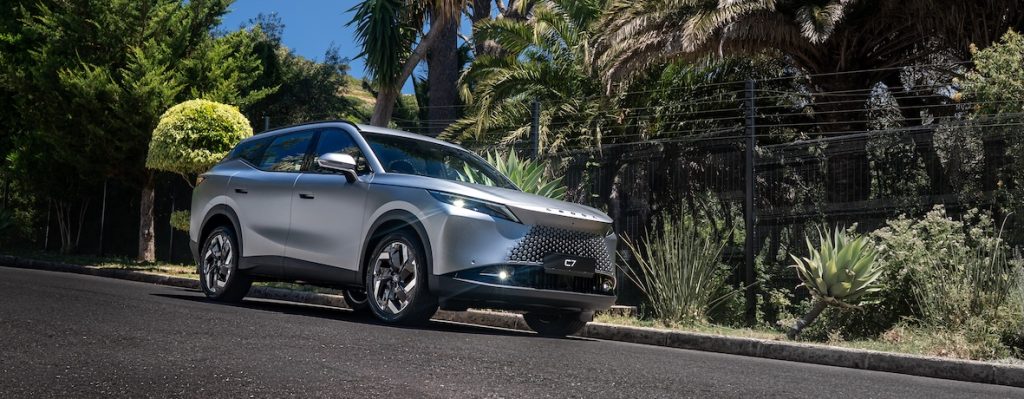
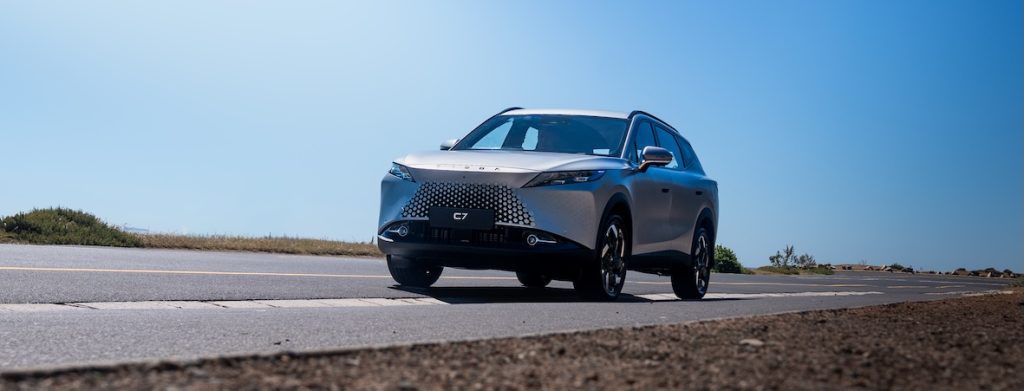
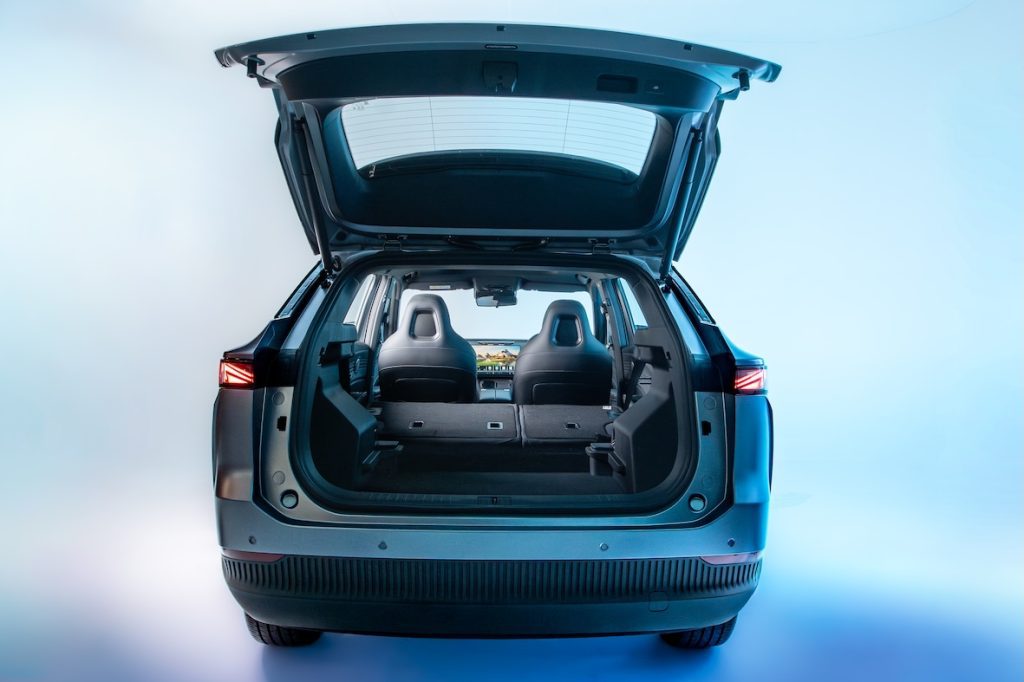
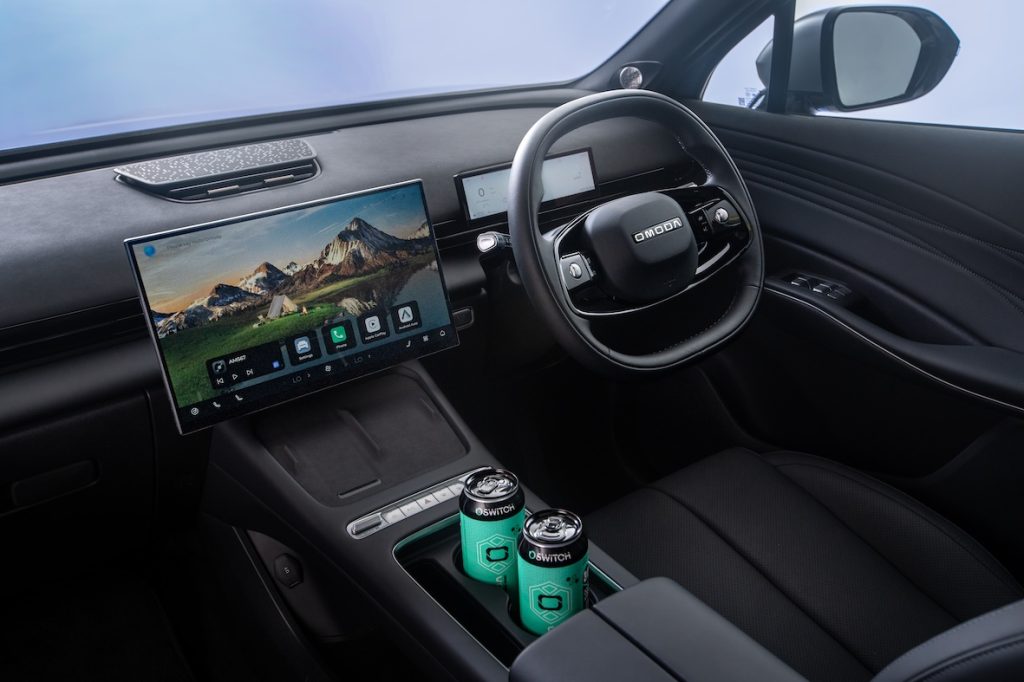
The plug-in hybrid deserves particular attention, not because it’s groundbreaking, but because it exists at this price point at all. Most plug-in hybrids in South Africa hover well above R800,000, making them lifestyle statements rather than practical alternatives. The C7 SHS brings 255 kW of combined power, 525 Nm of torque, and 105 km of electric-only range for under R700,000. That’s not just competitive; it’s deliberately disruptive. Much like the Lexus UX 250h proved years ago, sometimes the real innovation isn’t in the technology itself but in making it accessible.
The 18.4 kWh battery charges from 30-80% in 20 minutes on a 40 kW fast charger, which is practical for the dozen or so public fast chargers scattered across major metros. The 160-minute charge time on a standard 6.6 kW home charger is less impressive but realistic for overnight use. OMODA claims 5.0L/100km fuel consumption and 30 g/km CO₂ emissions, though those figures assume you’re actually plugging the thing in regularly. The real-world number will depend entirely on whether you treat it as a plug-in hybrid or just an expensive petrol car with extra weight.
The straight petrol model uses a 1.6-litre turbocharged four-cylinder producing 145 kW and 290 Nm, paired with a seven-speed dual-clutch transmission. The claimed 7.5L/100km isn’t remarkable, but it’s honest work. MacPherson struts up front, multilink rear suspension, ventilated front discs, solid rears. Everything you’d expect from a mid-market SUV that’s trying to feel more expensive than its price tag suggests.
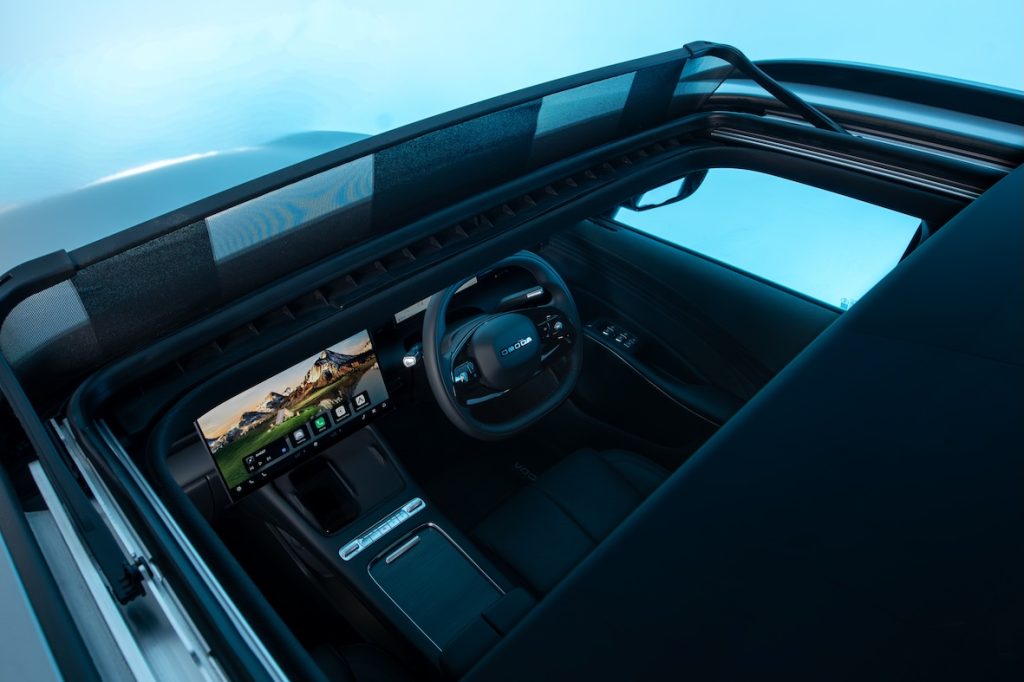
Inside, OMODA has focused resources where they matter. The 15.6-inch infotainment display dominates the dashboard, because that’s what buyers photograph for Instagram stories. Eight speakers in the petrol model, twelve in the SHS, all branded Sony because brand recognition still sells. Wireless charging, dual-zone climate, heated and ventilated front seats, memory function for the driver. The cabin materials are described as “black leather” without further elaboration, which tells you everything about where cost was saved.
The 2,720 mm wheelbase provides legitimate rear legroom, not the cramped afterthought you get in some compact SUVs. Boot space is 614 litres in the petrol, dropping to 537 litres in the hybrid to accommodate the battery. Both models can tow 1,250 kg, which covers most weekend camping trailers and jetskis without requiring you to buy an actual bakkie.
Where OMODA is clearly spending money is safety technology. Up to 21 driver-assistance systems reads like a feature checklist copied from premium German SUVs: 540-degree panoramic camera, blind spot detection, adaptive cruise control, automatic emergency braking with pedestrian and cyclist detection, traffic jam assist, lane departure prevention. The full suite appears on the SHS model; the petrol variants get slightly less. But even the basic equipment list includes ESP, seven airbags, and enough electronic nannies to keep insurance assessors happy.
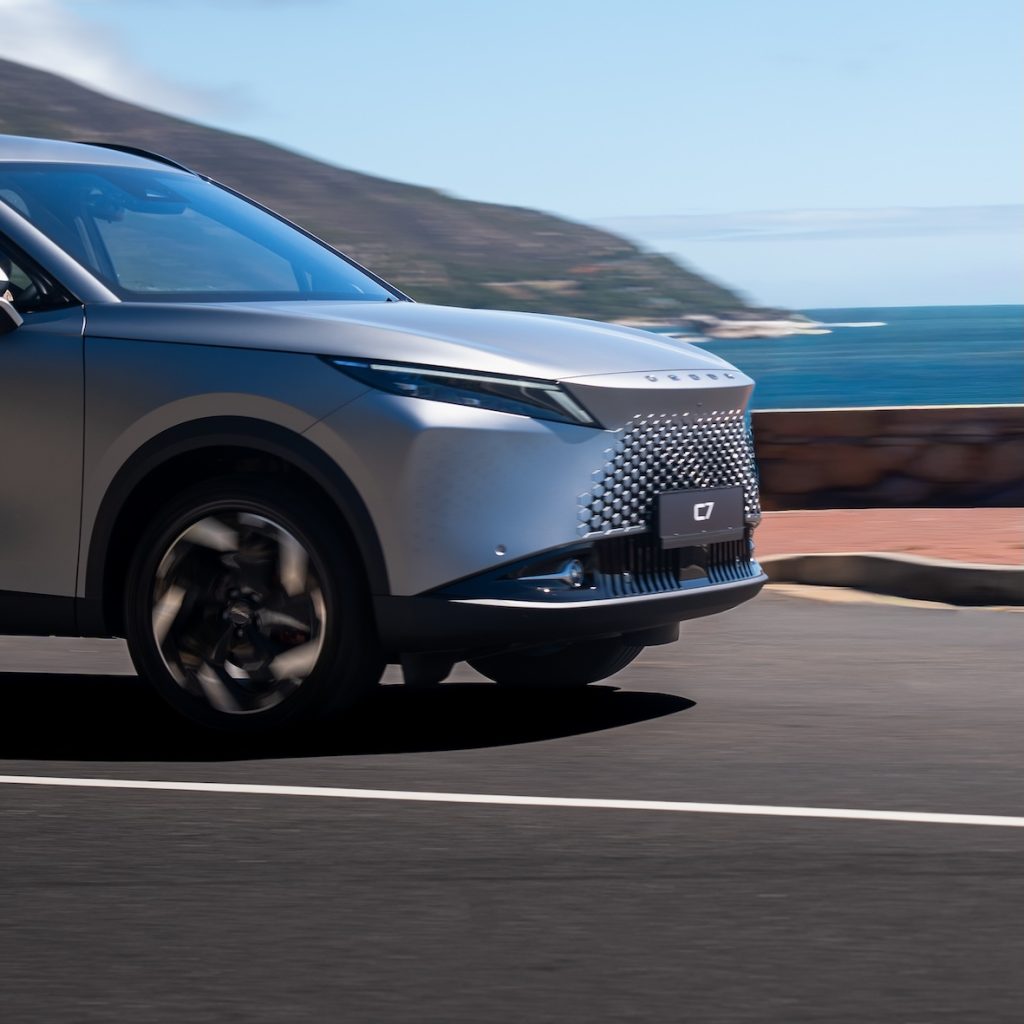
The exterior design deserves mention, if only because OMODA has committed to being visually distinctive rather than playing it safe. The X-shaped frameless grille and slim LED headlights create a face that’s more concept car than focus group compromise. Red-painted brake callipers are a detail that suggests someone in the design department actually cares, even if they’re probably covering standard components. The 19-inch wheels on petrol models bump to 20 inches on the SHS, because weight needs offset and larger wheels photograph better.
What’s particularly clever about OMODA’s positioning is the warranty structure. One million kilometres or 10 years on the engine for the first owner is the kind of coverage that makes premium brands look stingy. The five-year/75,000 km service plan removes one of the major anxieties of Chinese car ownership. Five-year/150,000 km factory warranty for petrol models, seven-year/200,000 km for the SHS. The battery gets 10 years/unlimited kilometres. These numbers aren’t just generous; they’re strategic confidence signals to buyers who remember when Chinese cars were cheap in every sense of the word.
Hans Greyling, General Manager for OMODA & JAECOO South Africa, describes the C7 as combining “style, technology, and practicality,” which is the kind of statement that sounds bland until you consider the alternative. Premium brands charge extra for practicality and call it authenticity. Budget brands apologise for their existence with overwrought marketing. OMODA is simply stating what the car does without pretending it’s something it’s not.
The South African market has changed considerably since the first wave of Chinese manufacturers arrived with bargain prices and questionable build quality. Buyers are less brand-loyal, more feature-conscious, and increasingly willing to consider alternatives if the value proposition makes sense. The C7 exists because that calculation has shifted. It’s not competing on badge prestige or heritage storytelling. It’s asking a simpler question: what if you could get the features you want without the brand tax?
Whether that’s enough depends entirely on how comfortable you are explaining your car choice at dinner parties. Some buyers will always pay extra for the badge. Others will do the maths, look at the warranty, test drive the C7, and realise that maybe what they actually wanted all along was something that worked well rather than something that impressed the neighbours.
The C7 lands in a South African market that’s simultaneously premium-hungry and budget-constrained, aspirational but pragmatic. That’s not a contradiction; it’s just the reality of a middle class that’s been squeezed by inflation, loadshedding costs, and the general economic anxiety of the past few years. OMODA isn’t offering a solution to that. They’re just offering a car that acknowledges it exists.
Whether the brand can maintain quality and service standards as they scale beyond their current 39 dealerships remains to be seen. The warranty promises are only as good as the dealer network backing them. The technology is only impressive if it remains functional past the first year. And the value proposition only holds if competitors don’t simply drop their prices to match.
But for now, at this moment, the C7 represents something interesting: not a Chinese car trying to be European, but a Chinese car comfortable being exactly what it is. That confidence, more than the spec sheet or the pricing, might be the most disruptive thing about it.