The post AI’s growing power demand: ChatGPT’s energy footprint appeared first on Reframed.
]]>This staggering figure places ChatGPT’s annual energy consumption at roughly 103 GWh, equivalent to the yearly electricity usage of around 27,000 homes in the United States. The implications are profound, not only for the environment but also for the future scalability of AI technology as it continues to evolve.
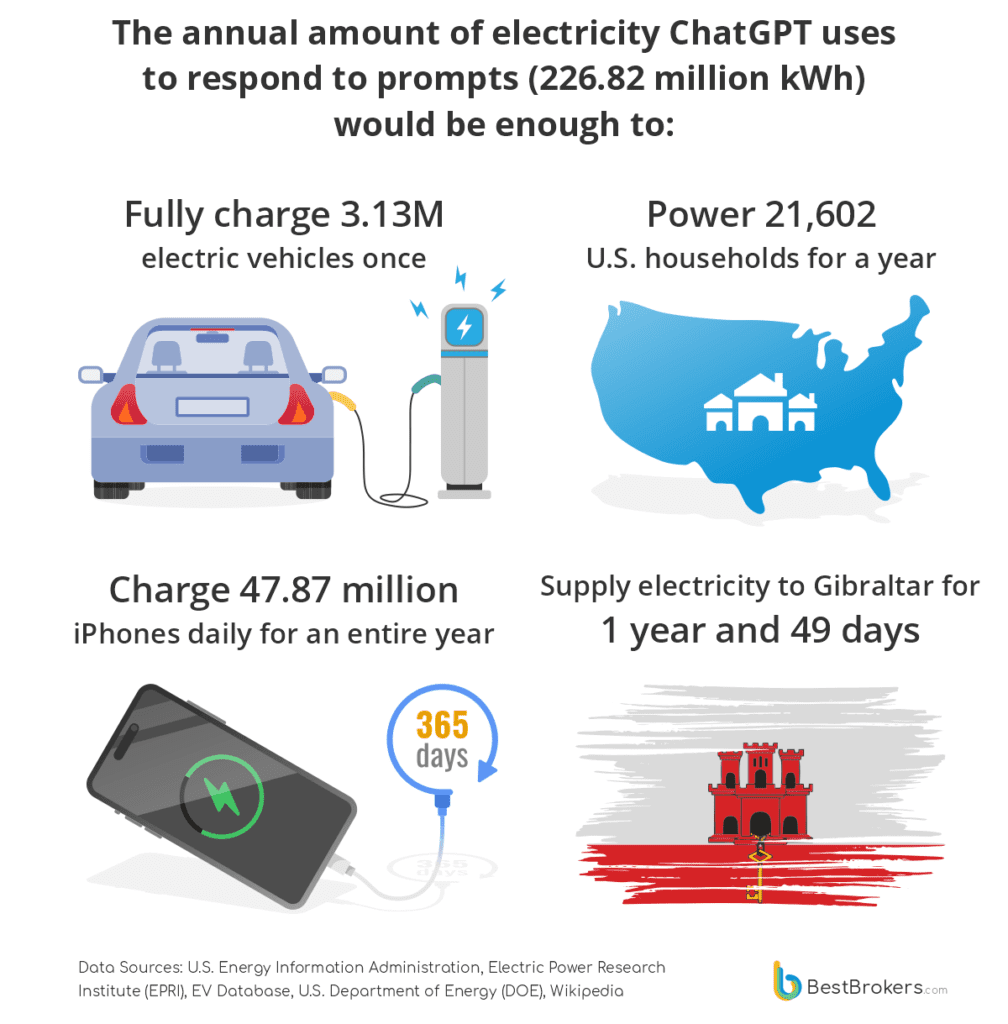
According to the report, the driving force behind this massive energy consumption is the sheer volume of queries processed by ChatGPT, combined with the complexity of the AI models in use. As these models grow in sophistication, so too does the computational power required to operate them, leading to increased electricity demand.
Moreover, the carbon footprint of such energy use cannot be overlooked. While efforts are being made by data centre operators to transition to renewable energy sources, the current infrastructure is still heavily reliant on non-renewable resources. This reliance poses a significant challenge to reducing the environmental impact of AI technologies like ChatGPT.
The report highlights the urgent need for more sustainable AI practices. As the use of AI-driven applications becomes more widespread, there is a clear responsibility on the part of developers and tech companies to innovate in ways that mitigate energy consumption and its associated environmental effects. Whether through the development of more efficient algorithms, investment in green energy, or the design of hardware tailored to reduce power usage, the tech industry must adapt to this growing concern.
This analysis of ChatGPT’s energy demands serves as a stark reminder that the digital conveniences we often take for granted come with hidden costs. As AI continues to shape the future, balancing technological advancement with environmental stewardship will be crucial to ensuring that innovation does not come at the expense of our planet.
The post AI’s growing power demand: ChatGPT’s energy footprint appeared first on Reframed.
]]>