The post Canon EOS C50: a smaller cinema camera with big ambitions appeared first on Reframed.
]]>At first glance, the C50 could be mistaken for a mirrorless body. Yet underneath that compact frame sits a 7K full-frame CMOS sensor capable of RAW recording at 60P and 32-megapixel stills. It’s not reinvention; it’s refinement. The logic is clear: give crews cinema-grade quality in a form that doesn’t demand a van full of kit.
The design is confident without ceremony. A detachable handle, multiple mounting points, and automatic vertical display orientation show Canon’s engineers have been paying attention to real-world production habits. The C50 feels built for the kind of shoots where “crew” might mean two people and a deadline — a rhythm we unpacked in Why Sony Alpha cameras had pros talking about milliseconds, which explored how precision and responsiveness now define modern gear more than sheer power.
It’s also the first Cinema EOS camera to feature open gate recording, using the full 3:2 sensor area for maximum flexibility. That’s not just a tech spec — it’s creative practicality. A single 7K capture can be reframed for horizontal, vertical, or square formats, allowing one take to live across cinema screens and social feeds. The Simultaneous Crop Recording function even lets both versions roll at once, a nod to the fractured demands of multi-platform production.
Connectivity and workflow are equally grounded. HDMI, USB-C, and dual card slots make it adaptable without excess. It supports 60P livestreaming, connects directly to Frame.io’s Camera to Cloud, and pushes files through Canon’s Content Transfer app for instant delivery. Canon hasn’t tried to reinvent collaboration; it’s just made it less painful.
Autofocus is handled by Dual Pixel CMOS AF II — obsessively accurate, with the option to prioritise which eye or animal to track. It’s clinical technology with creative empathy, which is arguably Canon’s strongest muscle.
But the C50’s real move is conceptual. It sits comfortably between Canon’s Cinema EOS and EOS R systems — a bridge between high-end cinema and the growing world of hybrid creators. This isn’t about shrinking ambition; it’s about shifting expectations of what “professional” looks like.
Canon seems to have accepted that modern production isn’t a straight line. Shoots bleed between film, brand, and social projects. The C50 understands that workflow — flexible, fast, good enough to deliver, but serious enough to impress.
If the EOS R5 C was Canon’s experimental step into hybrid cinema, the Canon EOS C50 feels like the moment that experiment settled into something confident. It’s not a camera for hobbyists or hobbyist rhetoric. It’s for people who shoot because the work demands it, not because they’re waiting to be inspired.
The C50 doesn’t need to shout about being innovative. It just makes the working day easier to shoot. And right now, that’s what progress looks like.
The post Canon EOS C50: a smaller cinema camera with big ambitions appeared first on Reframed.
]]>The post Fujifilm X-M5: The Hybrid Camera Perfect for Creators appeared first on Reframed.
]]>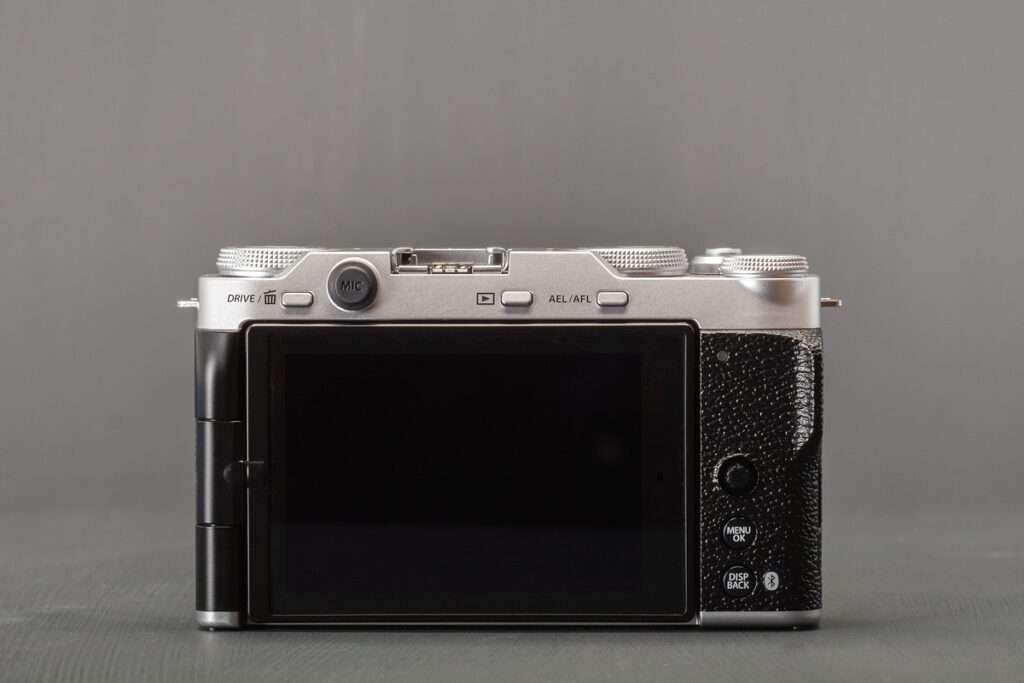
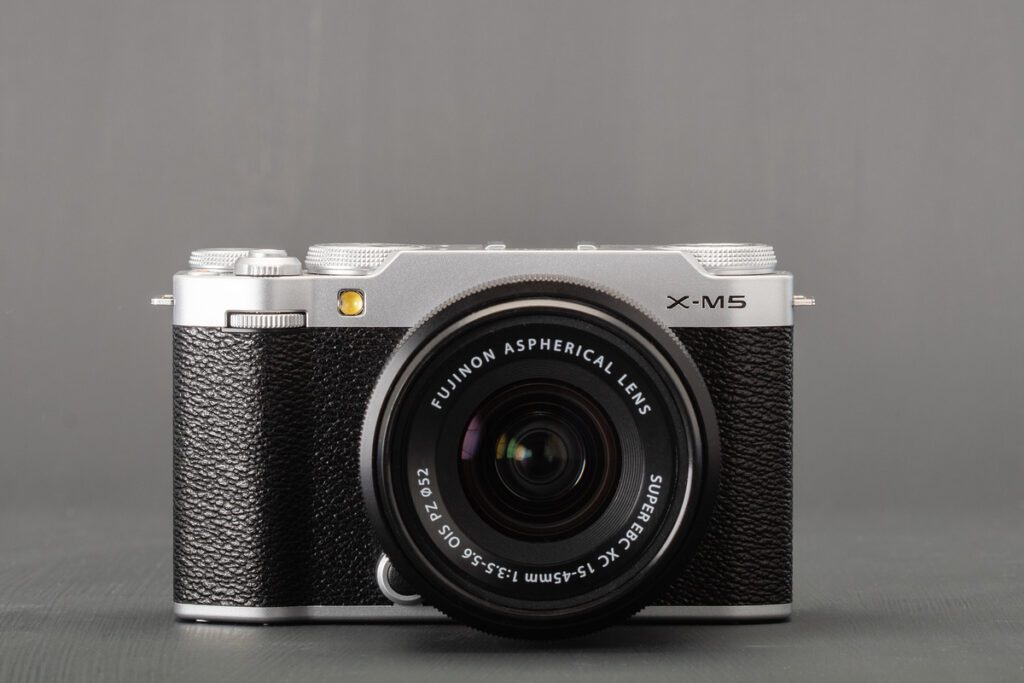
The X-M5’s standout feature for content creators is its dedicated Short Movie mode, optimised for vertical 9:16 videos, perfect for platforms like Instagram and TikTok. With effortless sharing to smartphones, creators can shoot, edit, and post seamlessly. Another highlight is Vlog mode, offering an intuitive interface via the rear touchscreen, enabling quick adjustments to shooting conditions.
For audio enthusiasts, Fujifilm introduces a first for its cameras: three built-in microphones with four selectable directivity options—surround, front, back, and front & back. These features are paired with a steady-state noise reduction function, minimising persistent ambient noise like air conditioners, ensuring crisp sound quality.
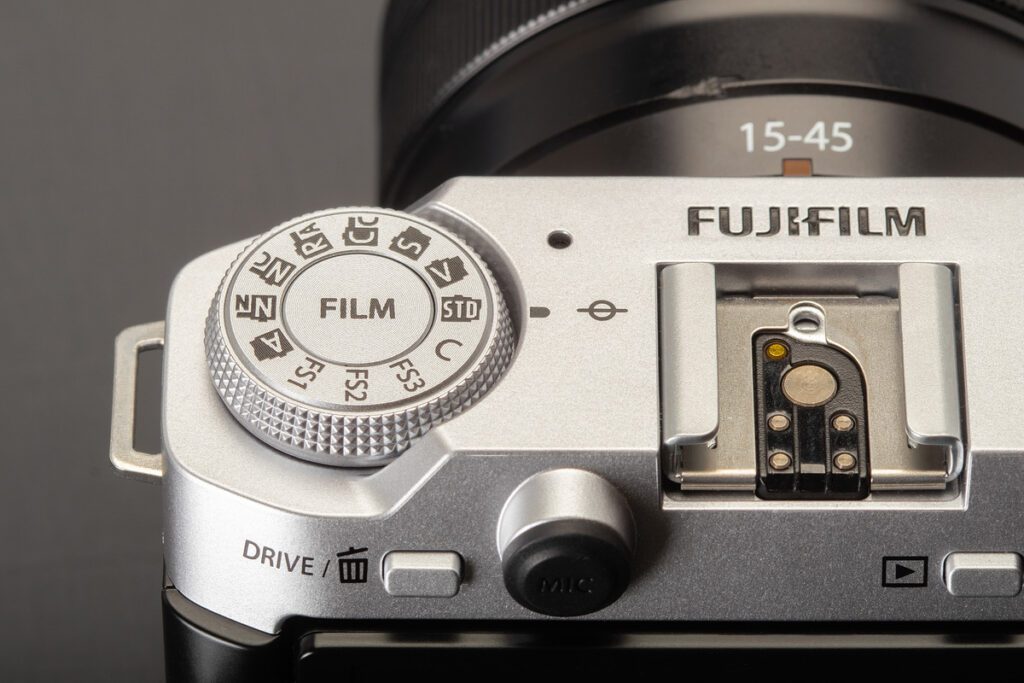
Video capabilities are just as impressive, supporting 6.2K/30P 4:2:2 10-bit video, 4K/60P, and 1080/240P. New bit rates of 8Mbps and 25Mbps allow for faster uploads to external devices or social platforms. Photography enthusiasts will appreciate the X-M5’s Film Simulation dial, allowing users to switch between 20 colour profiles for both stills and video.
Under the hood, the X-M5 houses the X-Trans CMOS 4 sensor with 26.1 megapixels and the high-speed X-Processor 5, as seen in the flagship X-T5. Advanced autofocus powered by deep learning ensures precise subject detection, along with Face/Eye AF for portraits.
Set to hit local shelves in November, the X-M5 is priced at R16,000, including VAT. A kit version with the XC 15-45mm lens will retail for R19,000.
Accompanying the X-M5 are two new lenses aimed at wildlife photographers and videographers alike.
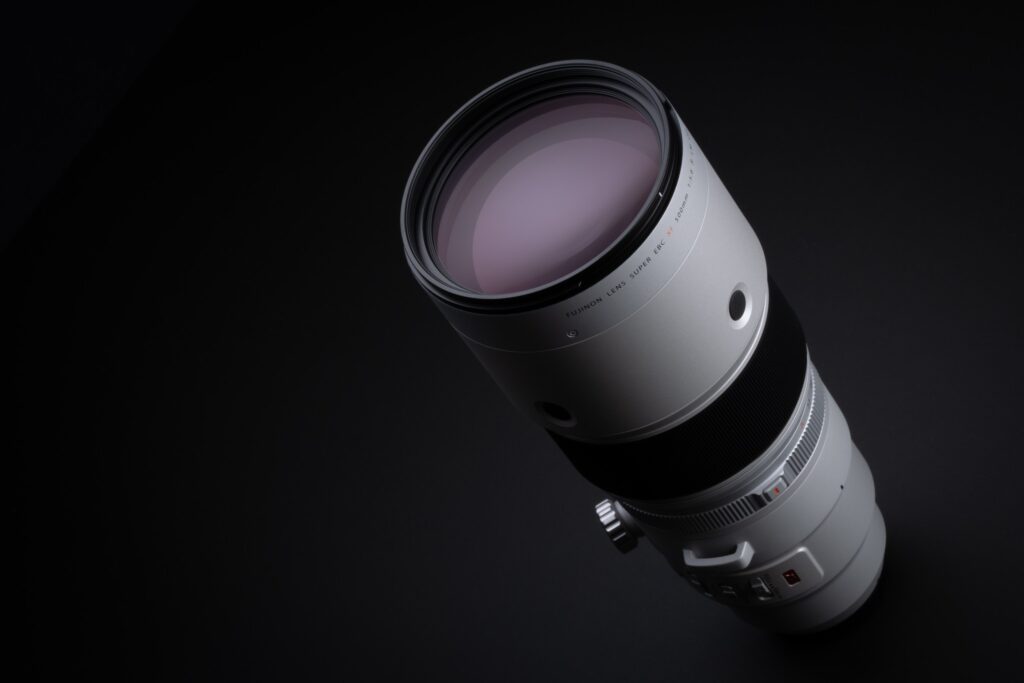
Fujinon XF500mmF5.6 R LM OIS WR
Designed for long-range excellence, this super-telephoto lens boasts a 500mm focal length (762mm in 35mm equivalent) with an aperture of F5.6. Weighing just 1.3kg, it redefines mobility for wildlife and aviation photography, while the 5.5-stop image stabilisation ensures sharp results even at maximum focal length. Retailing for R64,000, this lens promises unmatched performance for professionals.
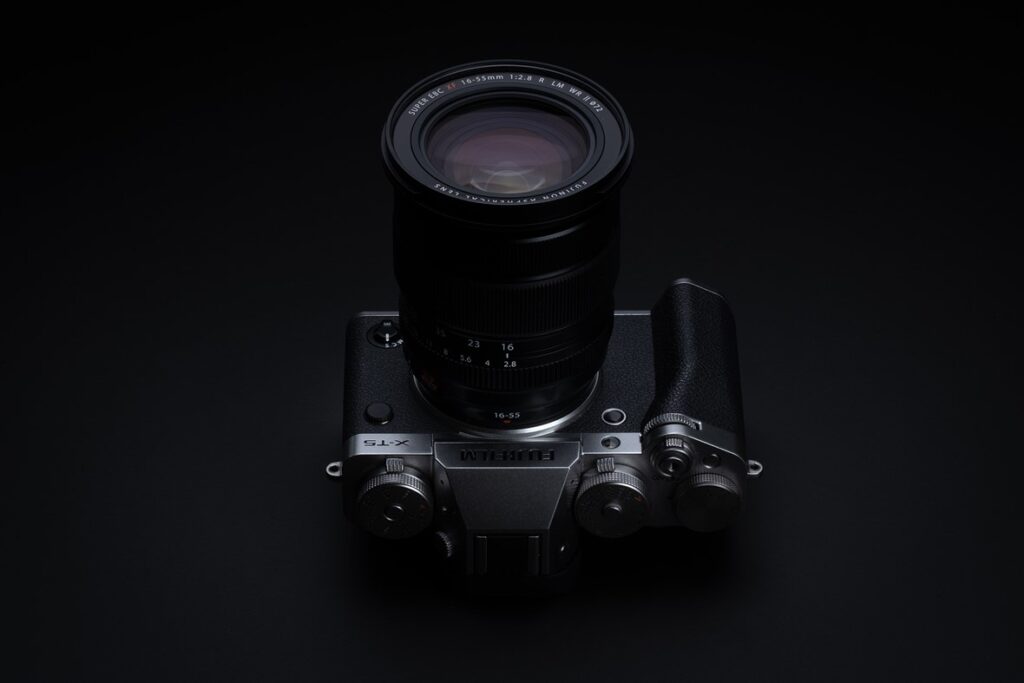
Fujinon XF16-55mmF2.8 R LM WR II
The new XF16-55mmF2.8 II is a lightweight update to an iconic standard zoom lens. At just 410g, it’s 37% lighter than its predecessor while maintaining the rugged, weather-sealed design needed for demanding shoots. Notably, the lens introduces an Aperture Click Switch, enabling smooth adjustments for seamless video recording. Priced at R22,000, it’s a worthy upgrade for filmmakers and photographers.
Both lenses will be available in South Africa from November, alongside the X-M5 camera, solidifying Fujifilm’s commitment to delivering high-quality tools for creators.
The post Fujifilm X-M5: The Hybrid Camera Perfect for Creators appeared first on Reframed.
]]>