
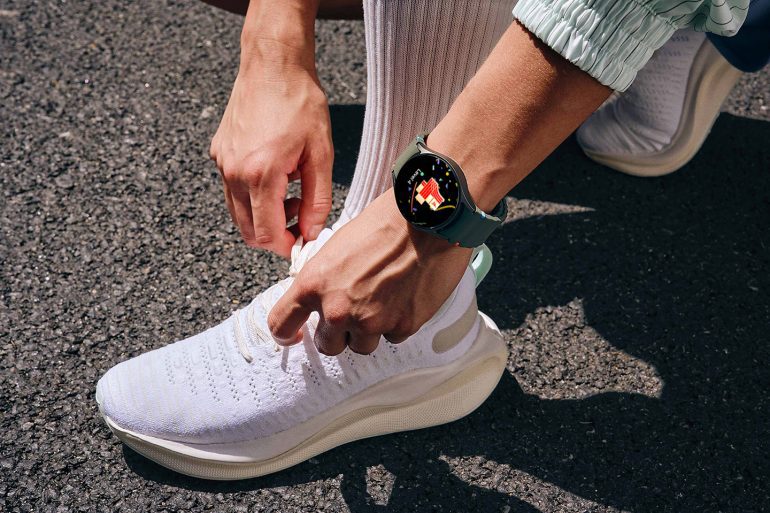
If you’ve ever fallen for the lie that one more episode won’t ruin your morning, Samsung’s new Galaxy Watch wants a word. In its latest health update, Samsung is packing its smartwatch with features aimed at making you sleep better, train smarter, and age more gracefully. It’s ambitious, tech-heavy, and part of a broader trend: wearables that promise more than just step counts.
The new Galaxy Watch health features, currently in beta and coming soon via the One UI 8 Watch update, include Bedtime Guidance, Vascular Load, Running Coach, and an Antioxidant Index. All are designed to offer real-time feedback and behaviour nudges — a strategy that’s increasingly common in health tech. The idea isn’t just to track what you’re doing, but to influence what you do next.
It’s an interesting move in South Africa, where stress levels are high, healthcare is unevenly distributed, and consumer tech often fills the gaps left by broken systems.
Sleep tech is getting serious
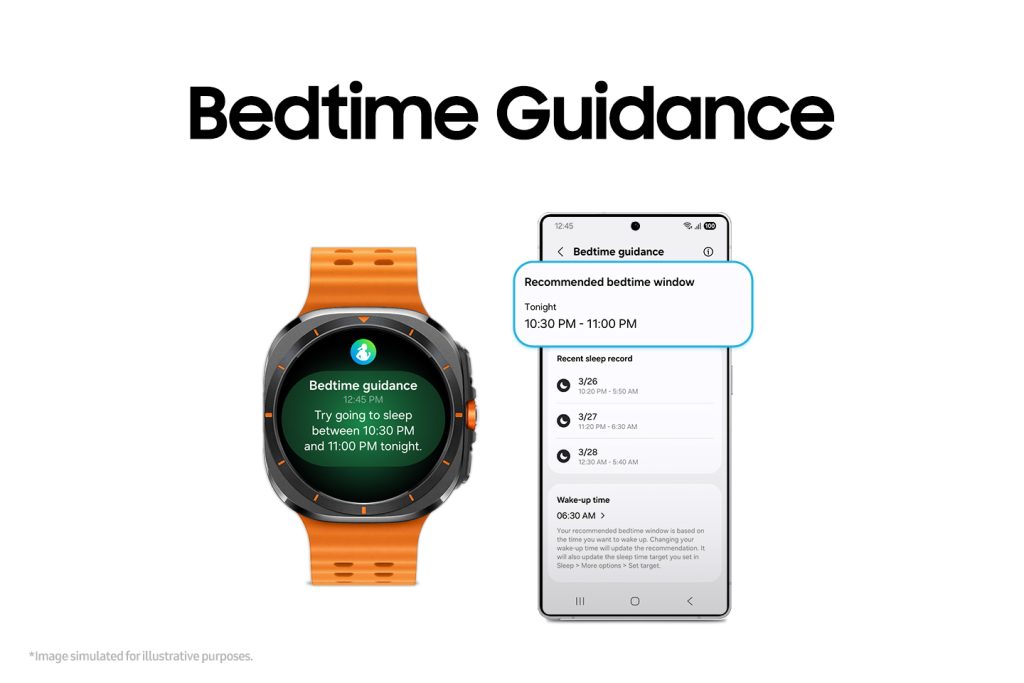
The flagship feature, Bedtime Guidance, doesn’t just tell you how badly you slept. It tries to fix it by analysing your last three nights and calculating an ideal bedtime. It even reminds you when to start winding down. It’s a little like having your smartwatch parent you, which, depending on how badly you’ve been sleeping, might be welcome.
Samsung’s sleep ambitions aren’t new. The Watch already tracks signs of sleep apnoea and your bedroom environment. But this new feature makes a bigger promise: that small behavioural changes, like going to bed at the right time, can meaningfully shift your overall health. Is that true? Possibly. But in a country where power cuts and stress throw off your nights, an algorithm alone might not be enough.
Your wrist wants to talk about your heart
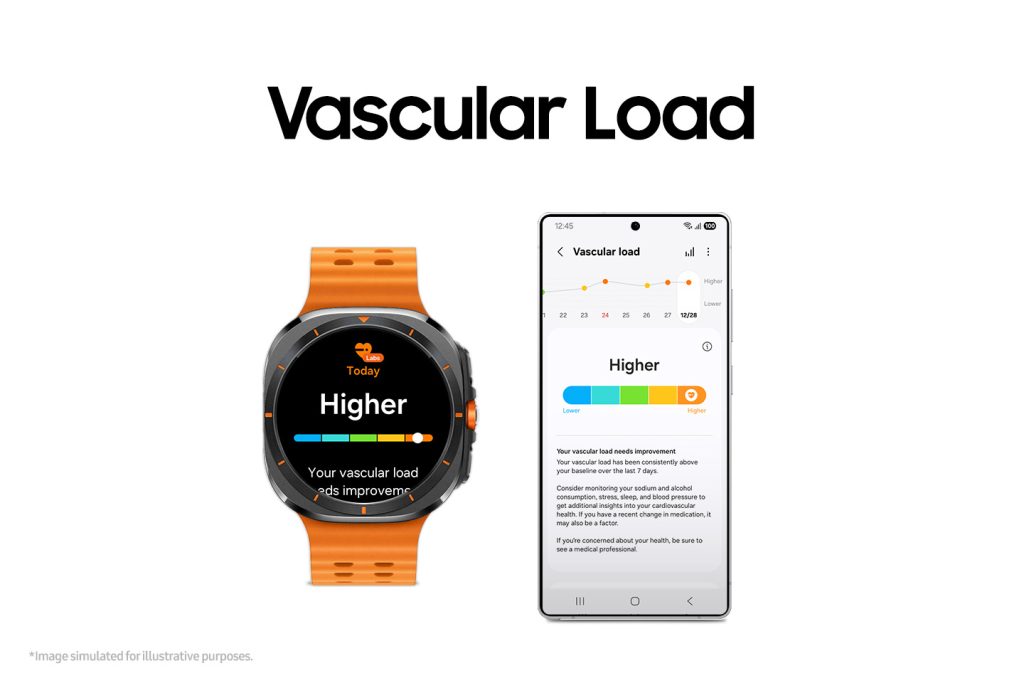
The most science-fiction-sounding feature is Vascular Load, which monitors how hard your vascular system is working while you sleep. In theory, this helps detect fluctuations that could signal cardiovascular stress. In practice, it’s another health graph most users will ignore unless something’s blinking red.
Still, the data is potentially useful. By combining it with insights from sleep, stress and activity, Samsung says it can offer a more holistic view of your health. It’s the kind of feature that could shine with the right software ecosystem — but right now, it’s unclear whether that context will be user-friendly or just overwhelming.
Running like a gamer
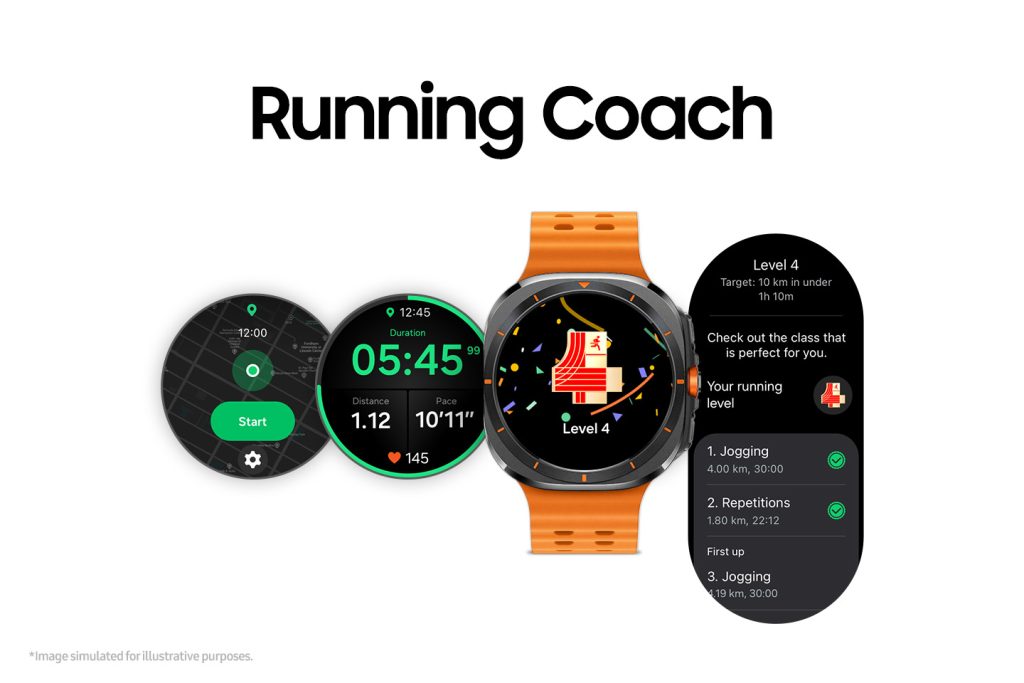
Running Coach feels like the most approachable addition. Run for 12 minutes, and the Watch will rate your fitness level (1 to 10). Then, it will generate a tailored training plan for your next 5K, 10K, or marathon. The more you run, the more you “level up”—yes, it’s basically gamified cardio.
The vibe is very much “Couch to 10K meets Strava lite,” which could resonate in a market where running is big but injury rates are high. Still, experienced runners might already be locked into Garmin, Apple, or even old-school training plans.
Skin Deep Science
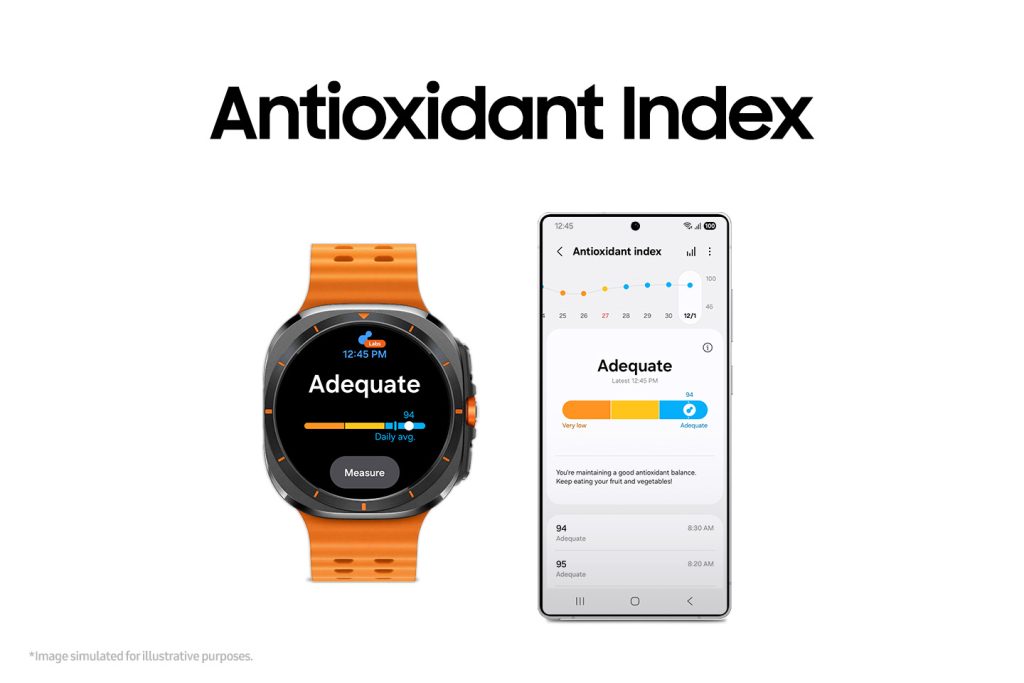
Then there’s the Antioxidant Index, which sounds like it belongs in a sci-fi movie. The Watch uses a BioActive sensor to scan your skin for carotenoids — antioxidants found in bright-coloured fruits and vegetables — in just five seconds.
Why? Because carotenoids help fight free radicals, which contribute to ageing. In short, this feature turns your smartwatch into a kind of biofeedback mirror. Eat your vegetables, check your wrist, feel smug.
It’s innovative. It’s weird. And it might be the most effective health nudge of the bunch. If you can see a change in your skin chemistry after drinking carrot juice, that might be more persuasive than any diet app ever was.
A little coach on your wrist
Samsung’s vision for the Galaxy Watch is moving past step counts and calorie burns. This is about daily habit formation, supported by constant feedback and gentle nudges. In theory, it’s the kind of tech that could benefit overworked, overstressed South Africans — especially those trying to take control of their health without paying for private specialists.
But here’s the catch: behaviour change is hard. And while the sensors are impressive, the real test will be how well Samsung integrates these features into people’s actual lives — not just their marketing materials.