
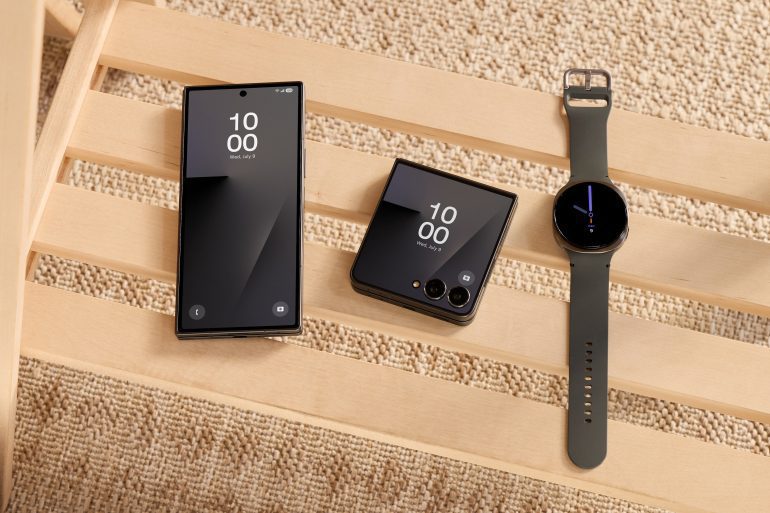
Samsung just dropped its latest foldables in South Africa — and this time, it’s not just hardware tweaks and recycled hype. The new Galaxy Z Fold7, Galaxy Z Flip7, and the surprisingly accessible Flip7 FE are part of a bigger move: one where Samsung finally seems serious about pushing foldables into the everyday — and using AI to make it all make sense.
We’ve been here before. Every year, Samsung claims it’s cracked the foldable code. And every year, it feels a little closer — thinner, faster, less likely to snap in half after a braai. But 2025’s Galaxy Z7 series is… different. Not radically redesigned, but more confident. Like it’s done apologising for the form factor. Foldables used to be a gimmick. Now, they’re just phones — very expensive, very clever phones.
The Galaxy Z Fold7 is now Samsung’s most refined foldable yet. It’s the thinnest, lightest Fold they’ve shipped, but still packs in a 200MP camera, AI-enhanced multitasking, and Gemini integration that’s clearly aiming at Google’s own Pixel ambitions. Ask Gemini to suggest a local coffee shop based on a photo you took of someone else’s cappuccino — it’ll try. You can even remove random photobombers in the background with Samsung’s Generative Edit. Does it always work? We don’t know yet. But we appreciate the ambition.
The Flip7 is doing its own thing, naturally. It’s all about personality and utility — with an edge-to-edge FlexWindow that actually feels useful now. You can check your Uber, track workouts, play music, or argue with Gemini about your outfit without ever opening the phone. A new Portrait Studio for Pets turns your dog into a 3D cartoon (because of course it does), and the flip form factor finally feels less like nostalgia and more like a vibe.
Then there’s the Flip7 FE — the “Fan Edition” Samsung is betting will win over cautious buyers. R18,499 for a proper foldable is a pretty serious price cut, even if you’re not getting all the flagship frills. It’s a smart play: foldables won’t go mainstream without a gateway drug, and the FE might be it.
Meanwhile, Samsung’s also upgraded the wrist game. The Galaxy Watch8 and Watch8 Classic take health tracking further than ever — measuring everything from your sleep and stress levels to your antioxidant index (measured via carotenoids — yes, really). And they look good doing it. They’re lighter, sleeker, and finally comfortable enough to wear all day. Whether or not you want to know your stress levels after doomscrolling through Stage 6 updates is another matter.
Together, the Galaxy Z7 foldables and Galaxy Watch8 series actually start to feel like a cohesive ecosystem — the kind Apple’s been building for years but now with foldable flair. And in the South African context, where every rand counts and flashy tech often fades before it’s fully baked, this generation finally feels ready for the spotlight.
🔗 For more on why Samsung needed a foldable comeback, check out our review of the Galaxy S25 Ultra, where the company’s AI shift started to feel less like a gimmick and more like a plan.
Pricing still skews high (R49,999 for a 1TB Fold7? lol, okay), but the Flip7 FE’s sub-R20K launch price hints at a more accessible future.
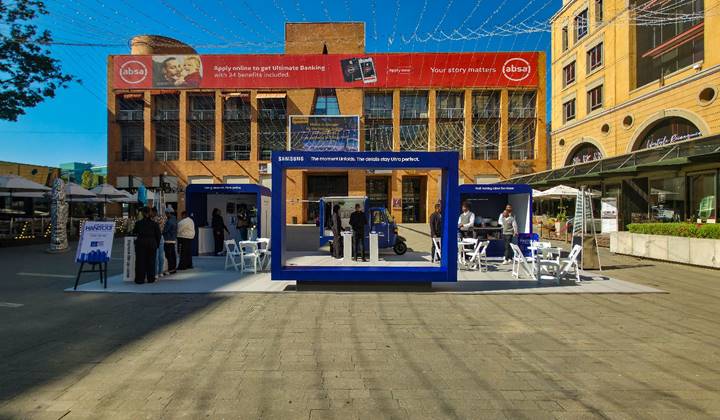
If you want to get hands-on before you commit, Samsung’s doing Galaxy Hangouts across major SA cities — café-style pop-ups where you can grab a free coffee, play with the new gear, and get lightly pitched by someone in a branded tee. It’s marketing, but the espresso’s decent.
The Galaxy Z Fold7, Flip7, Flip7 FE, and Galaxy Watch8 series are all available in South Africa now. If this is the foldable moment Samsung’s been working toward, then the only real question is: are South Africans finally ready to fold?