
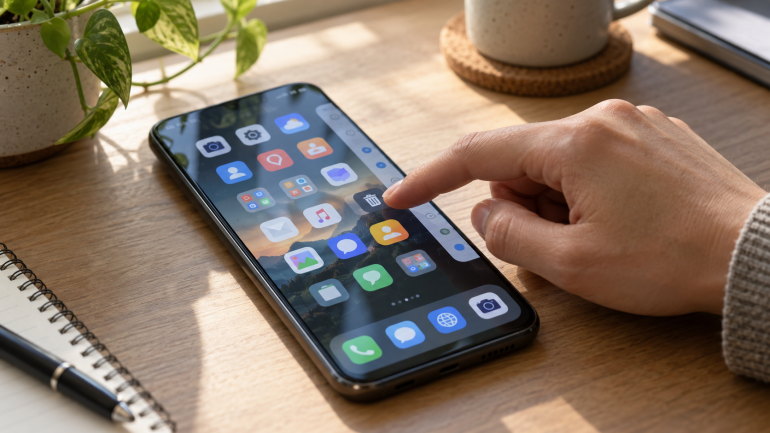
A phone can arrive with two browsers and a number of apps from companies you’ve never dealt with. Some are easy to delete. Others can only be disabled, while a few appear to be part of the phone whether you use them or not.
Surfshark examined pre-installed apps on iPhones and Android phones from Samsung, Xiaomi and Google. It counted up to 50 built-in apps on an iPhone. Its database recorded 88 user-facing preloaded apps across Samsung phones, 61 across Xiaomi phones and 71 across Google phones. Those Android totals were assembled from different devices whose owners contributed data. You shouldn’t expect to find 88 pre-installed apps on every new Galaxy.
The number alone isn’t especially helpful when you’re using the phone. What you notice is the overlap. As I found in my Xiaomi 17T review, Xiaomi’s software has improved considerably, but some of its own apps still sit alongside Google apps that do much the same job. You can pick your preferred version, although it would be better to make that choice during setup.
Surfshark also checked the apps’ privacy labels. The Apple apps it assessed declared that they may collect an average of eight types of data. The average was 13 for the apps in its Samsung and Google lists, and 16 for Xiaomi. Facebook and Instagram, which appeared in the Samsung data, each declared 37 of the 38 data types listed by Google Play. That’s a long disclosure for an app you may have received without requesting it.
It doesn’t follow that every type of data on that label is being collected from every person with the app on their phone. Surfshark read developers’ disclosures; it didn’t monitor traffic from the devices. Google says a Play Store label can cover different versions of an app used around the world. Apple and Google also use different data categories, so their averages aren’t a sound basis for ranking the brands by privacy. Apps without a relevant App Store or Google Play listing were outside this part of the study.
Removing apps presents another problem. Surfshark says 98% of the iPhone apps it counted can be removed in the EU, but the figure for other markets is 88%. Apple’s South African support page confirms that some built-in apps can’t be deleted. It also helps to check which option you’ve selected: removing an app from the Home Screen leaves it on the phone.
For Samsung and Xiaomi, 57% of the apps on each of Surfshark’s lists were marked safe to remove by an Android debloating project. “Safe to remove” doesn’t mean you’ll find an Uninstall button in Settings. The project uses debugging tools, and removing packages that way takes more knowledge than most people should need to manage a new phone.
You can check what’s installed under Apps in your phone’s settings and remove or disable software you recognise and don’t use. I’d leave unfamiliar system packages alone until I knew what they supported. Manufacturers already decide which apps come on the device; making the optional ones easier to decline would give buyers less to sort through afterwards.