

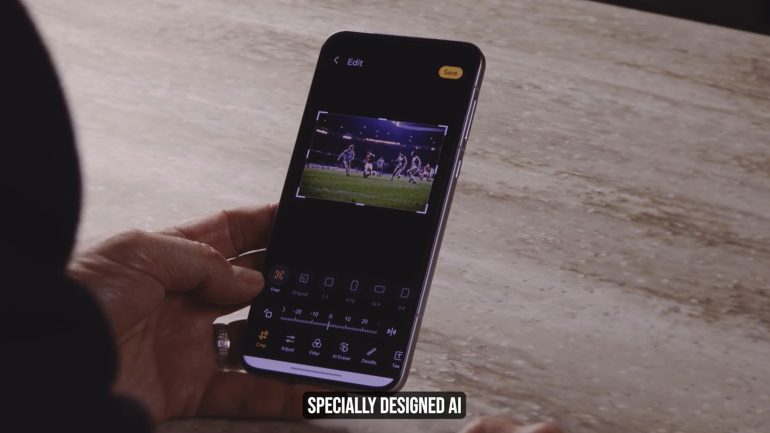
Artificial intelligence (AI) is making it easier than ever to revive the past, but in doing so, it’s also raising questions about how history should be remembered. Recently, AI-enhanced photo restoration has been used to improve decades-old images of Manchester United, bringing new clarity to moments that were previously faded or damaged. But does this technology simply recover lost details, or does it risk altering the authenticity of history?
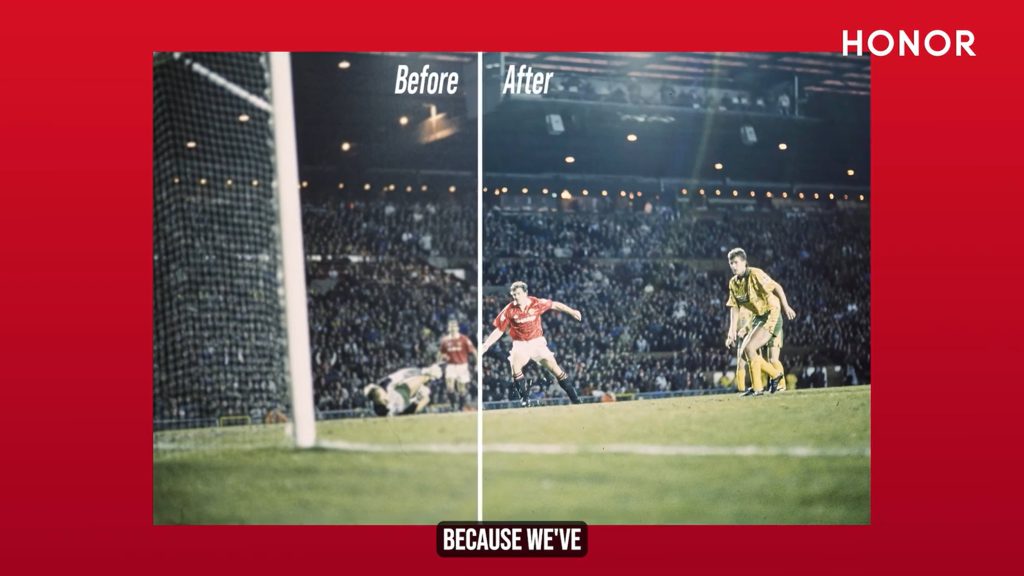
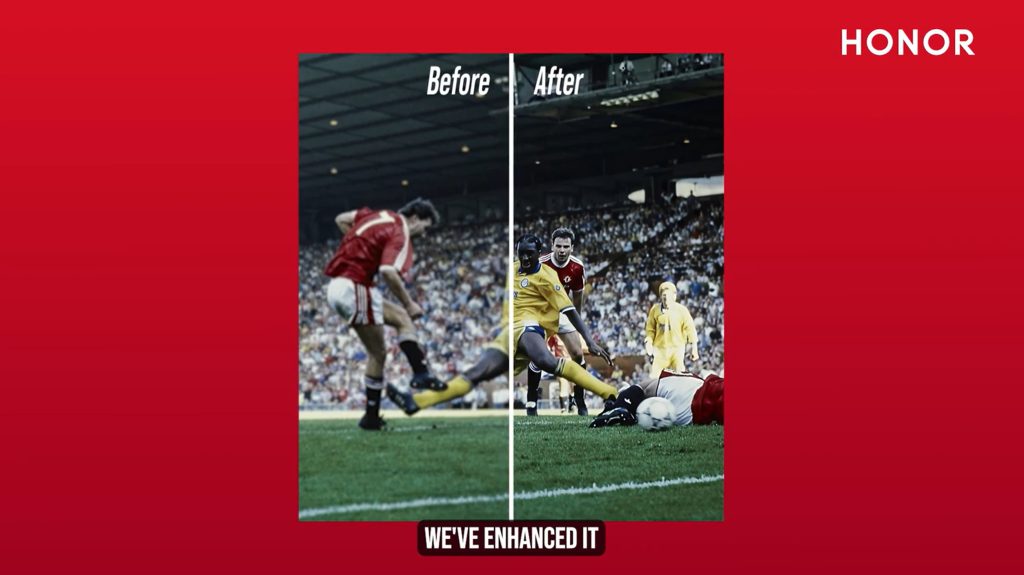
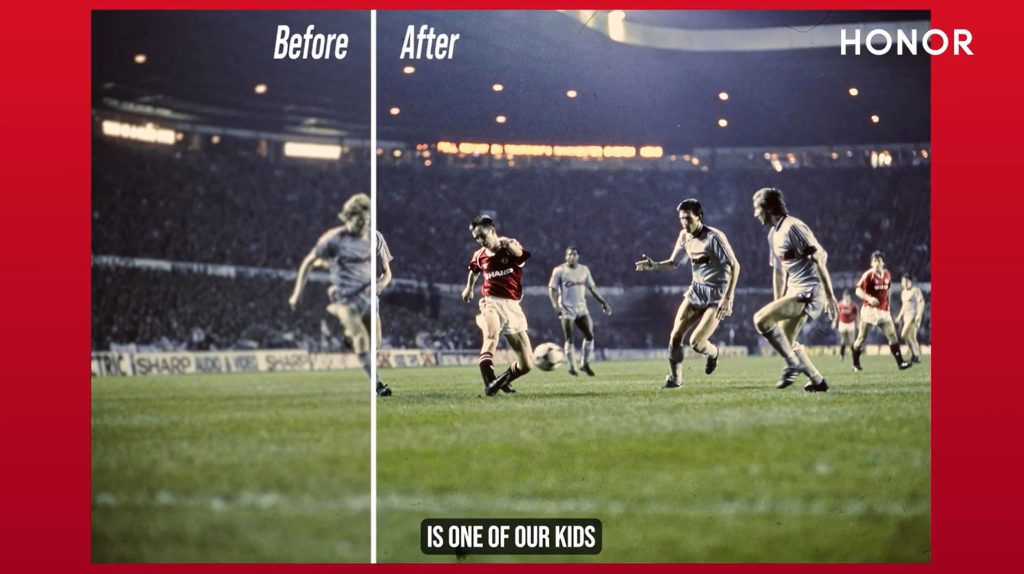
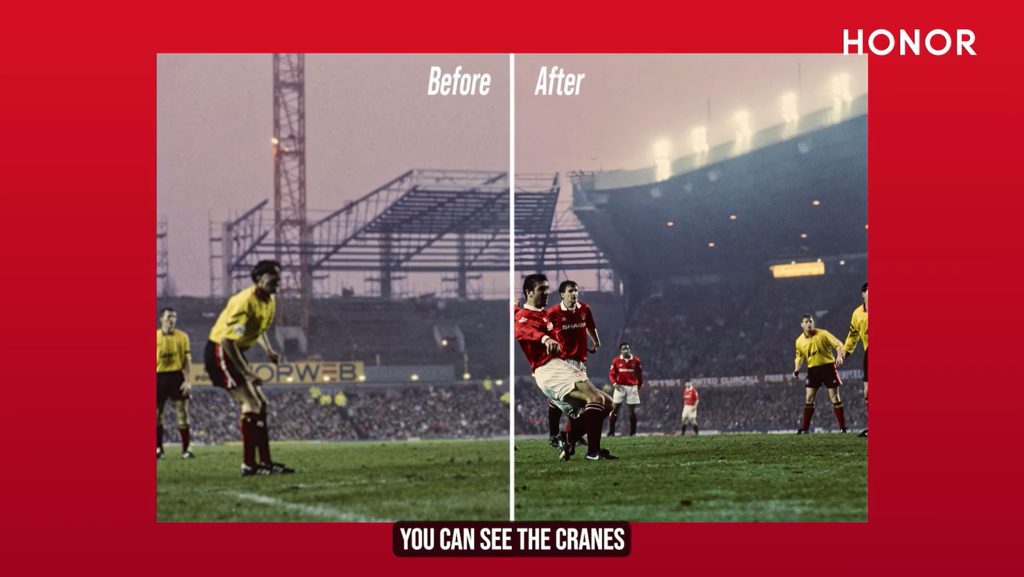
Using machine learning algorithms, AI can reconstruct missing details, remove blemishes, and enhance resolution. The result is often stunning — a sharper, clearer image that provides a glimpse into football’s earliest years with more precision than ever before. However, some historians argue that by ‘fixing’ these images, we might be unintentionally rewriting the past rather than preserving it.
Manchester United historian Jason Leach has praised AI’s ability to recover lost details but also notes that there’s a fine line between restoration and reinterpretation. “Some of these images now look clearer than anything people would have seen at the time,” he points out. “That’s both exciting and a little unsettling.”
The broader implications of AI in digital preservation go beyond just football. Should historical images be altered to meet modern expectations? What happens when AI inadvertently introduces details that may not have been there originally? As AI tools become more accessible, these ethical considerations will only become more pressing.
For Manchester United fans, these restored images offer a new way to engage with the club’s long history. But as we move further into an AI-powered era, the question remains: are we preserving the past, or reshaping it?