

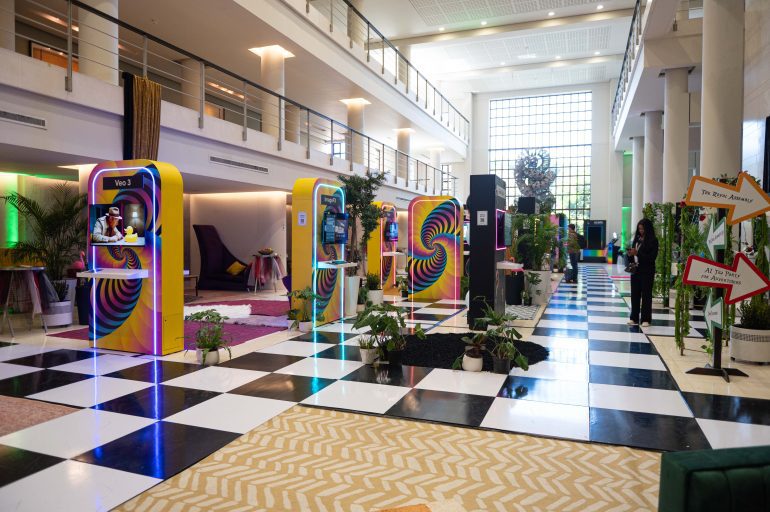
When Google kicked off its first-ever AI in Action event in Cape Town just days ago, it was a fairly standard tech playbook moment: keynote, demos, photo ops, and a few localisation headlines to sweeten the deal. So when the second leg of the tour landed in Johannesburg on 5 August 2025, expectations were… tempered.
Surprisingly, this one felt different.
Yes, it was still carefully staged. Yes, there were still buzzwords and branding. But under the gloss was something that actually resembled progress — localised tools that are already being used, at scale, by actual South Africans. No grand promises. Just actual systems doing actual work.
The star of the event was “Ask-A-Question“, a maternal health chatbot built by IDInsight and Reach Digital Health. With backing from Google.org, it’s already answering up to 60,000 questions per month via the MomConnect platform. And it’s not just a prototype. It’s live. It works. It’s helping people.
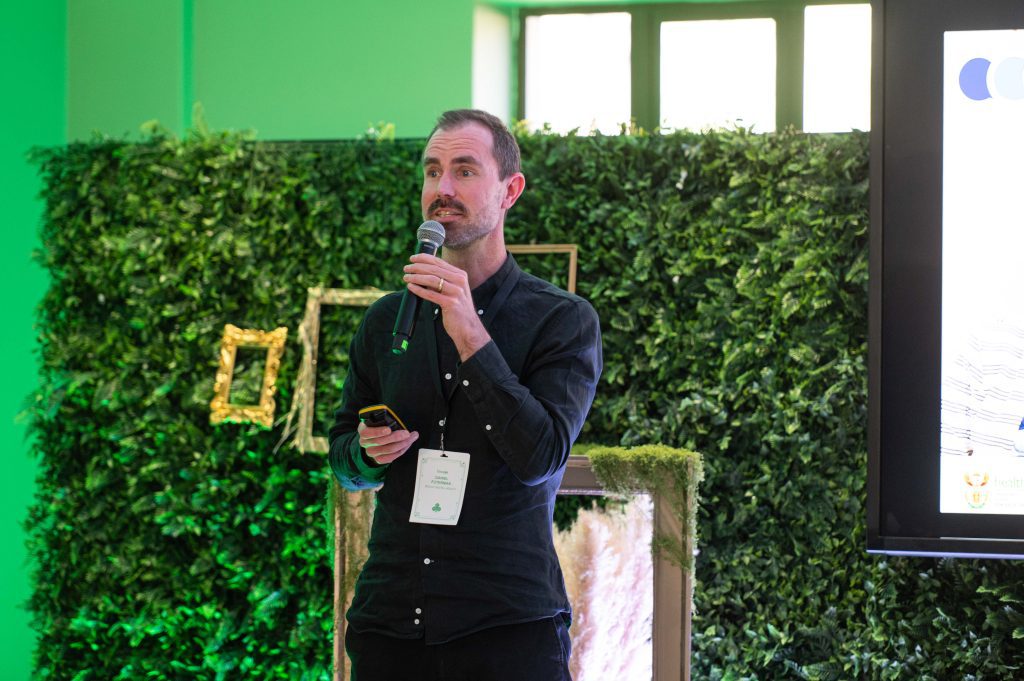
That last part is key, because tech companies rarely get this stuff right on the first try. But Google, to its credit, seems to have gotten at least one thing very right: AI doesn’t have to be revolutionary. Sometimes it just has to be useful.
The company also used the event to announce the expansion of NotebookLM into isiZulu and Afrikaans — a move that feels both overdue and quietly powerful. In a country where language shapes access, giving students and entrepreneurs AI tools in their native languages isn’t just symbolic. It’s structural.
Then there’s SynthID Detector, Google’s AI-generated content watermarking tool, now made public. With over 10 billion pieces of content already watermarked, the tool puts traceability in the hands of users. It’s a smart PR move that also happens to be necessary in a media landscape where reality keeps getting harder to pin down.
But let’s not get too comfortable.
This entire “AI in Action” tour is as much about optics as it is about access. It’s Google reframing itself not as a trillion-dollar disruptor, but as a helpful digital neighbour who gets the local context. It’s also a well-timed counter to rising regulatory heat around AI globally — an opportunity to look responsible, empathetic, even humble.
And if that sounds cynical, it should. Big Tech hasn’t exactly earned the benefit of the doubt.
Still, there’s something worth acknowledging here: this does feel like a departure from the usual extractive tech playbook. And as I wrote in this piece on Reframed, maybe, just maybe, Google’s latest AI push in South Africa isn’t pure theatre. Maybe this time they’re actually onto something.