
Slack AI’s 30-feature expansion positions Slack not as a messaging tool with AI bolted on, but as the primary surface through which enterprises are meant to interact with every AI agent, every workflow, and every connected system they run. That’s a different kind of product claim, and it deserves a different kind of scrutiny.
Salesforce unveiled the update at a San Francisco event on 31 March 2026, less than three months after Slackbot launched as a personal AI agent for Business+ and Enterprise+ customers in January. The speed of iteration is deliberate. This is a platform play that needs to move fast because Microsoft is already inside most enterprise desktops through Teams and Copilot, and the window for Slack to become the default interface for agentic work is closing.
The headline features are genuinely substantial. Slackbot can now transcribe meetings across any video provider, operate as a desktop agent that reads your screen and takes actions using your existing permissions, and function as an MCP client that can route tasks to Agentforce, Google Workspace, ServiceNow, or any of the 6,000-plus apps in the Salesforce ecosystem. Reusable AI-skills allow teams to codify a process once and have Slackbot execute it automatically, without prompting. For small businesses, native CRM is built directly into Slack, with records that migrate to full Salesforce when and if the team outgrows them.
The claim sitting underneath all of this is that Slackbot eliminates the need for employees to know which system handles which task. You describe what you need, Slackbot routes it, and the work gets done. It’s a compelling abstraction. The question is whether the abstraction holds in practice, because the systems on the other side of those routes still need to be built, governed, and populated with accurate data. Most enterprises deploying AI agents in 2026 are still in early-stage rollout. Slackbot as orchestration layer only performs as well as the agents it’s orchestrating.
Salesforce has been careful with its internal numbers. It reports 55,000 weekly active Slackbot users internally, 87% week-over-week retention, and more than $6.4 million in productivity value generated since January. Those figures aren’t independently verified, and the methodology for productivity value calculation hasn’t been disclosed publicly. The “up to 90 minutes saved per day” figures cited in customer testimonials come from self-reported data. That doesn’t make them false. It does make them a starting point for interrogation, not a landing point.
The platform’s core competitor isn’t Google Workspace. It’s Microsoft. And that comparison is instructive because it reveals the strategic logic of the pricing approach. Microsoft charges $30 per user per month for full 365 Copilot capabilities, as a separate licence on top of existing Microsoft 365 subscriptions. Salesforce is including Slackbot in Business+ at roughly $12.50 per user per month. The intent is to make the AI feel like it comes with the platform, not like a luxury add-on. That pricing story matters far more in markets like South Africa, where enterprise technology budgets are denominated in rands while software licences are billed in dollars.
South Africa is a Microsoft country at the enterprise level. SPAR and Standard Bank are among the local names that have publicly documented Microsoft Copilot deployments. Slack has strong traction in the technology sector and among companies with significant US business relationships, but it hasn’t historically been the enterprise default here in the way Teams has. The Slackbot expansion is compelling for organisations already running Salesforce and Slack in combination, which is a meaningful cohort globally but a narrower one locally. For South African businesses evaluating AI tooling, the more relevant question isn’t which platform has the most impressive feature list. It’s which AI surface maps onto the infrastructure already in place. Swapping your collaboration stack to unlock Slackbot isn’t a rounding error in budget or change management terms.
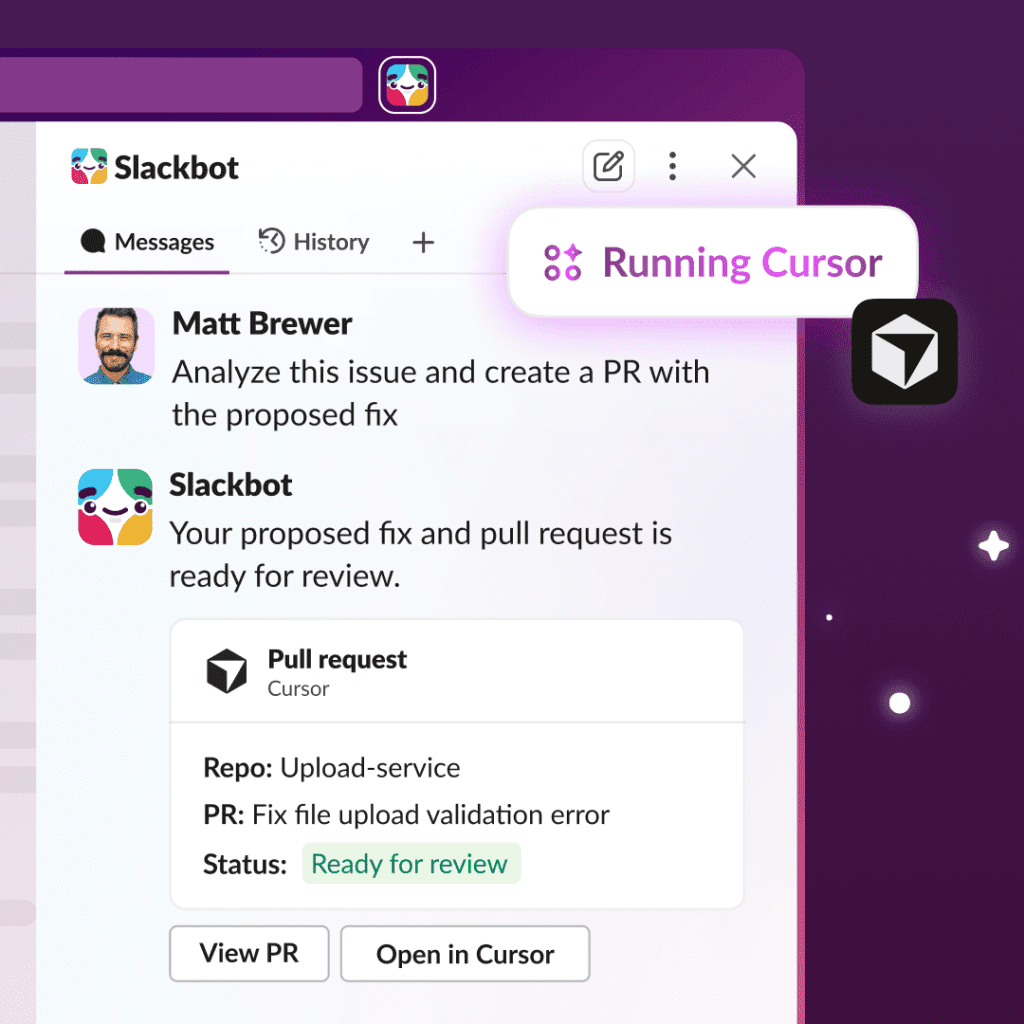
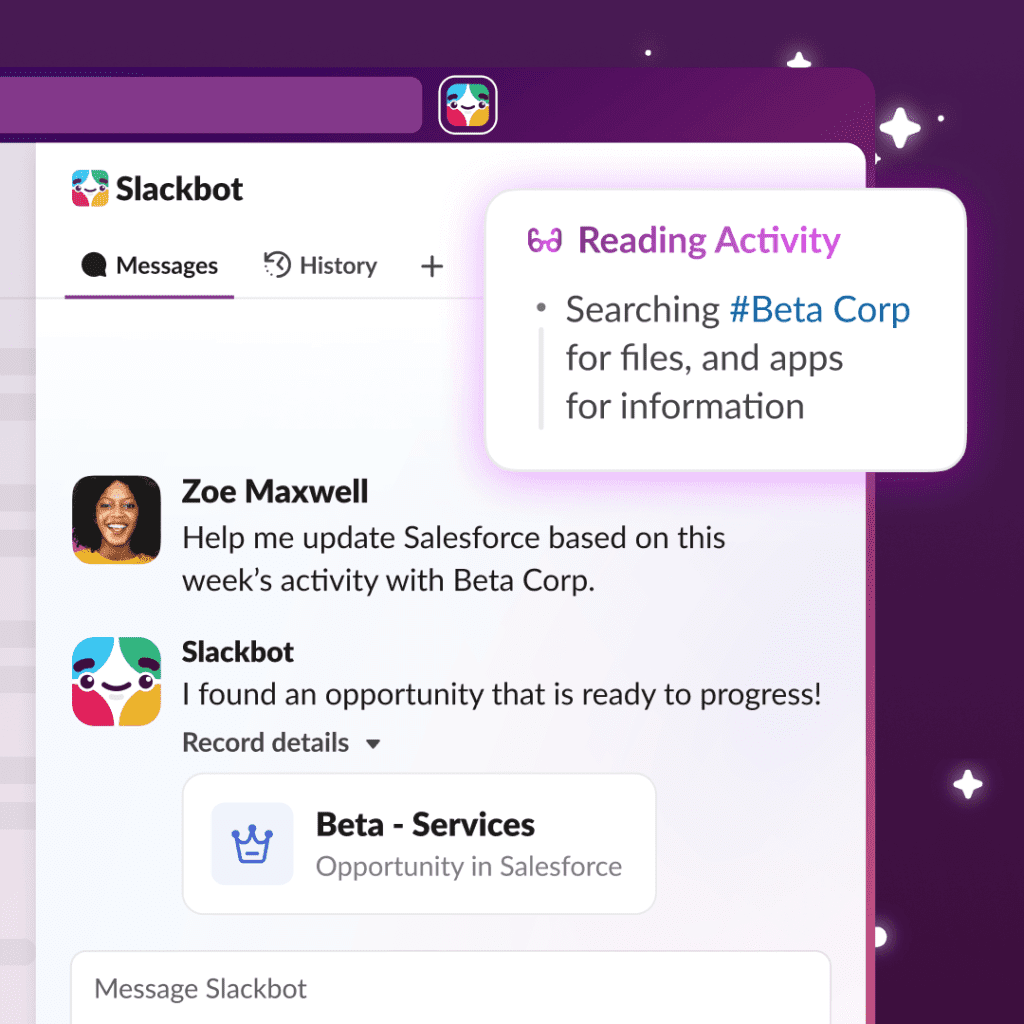
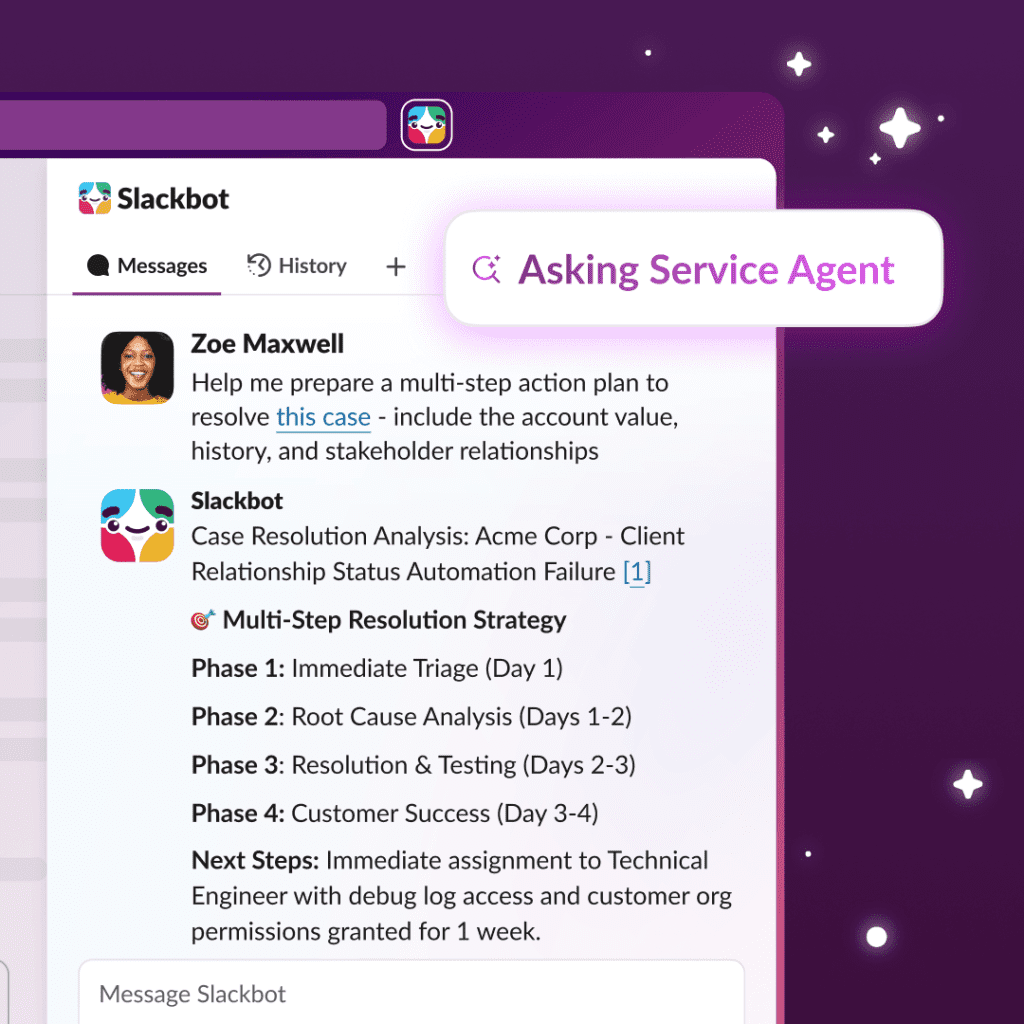
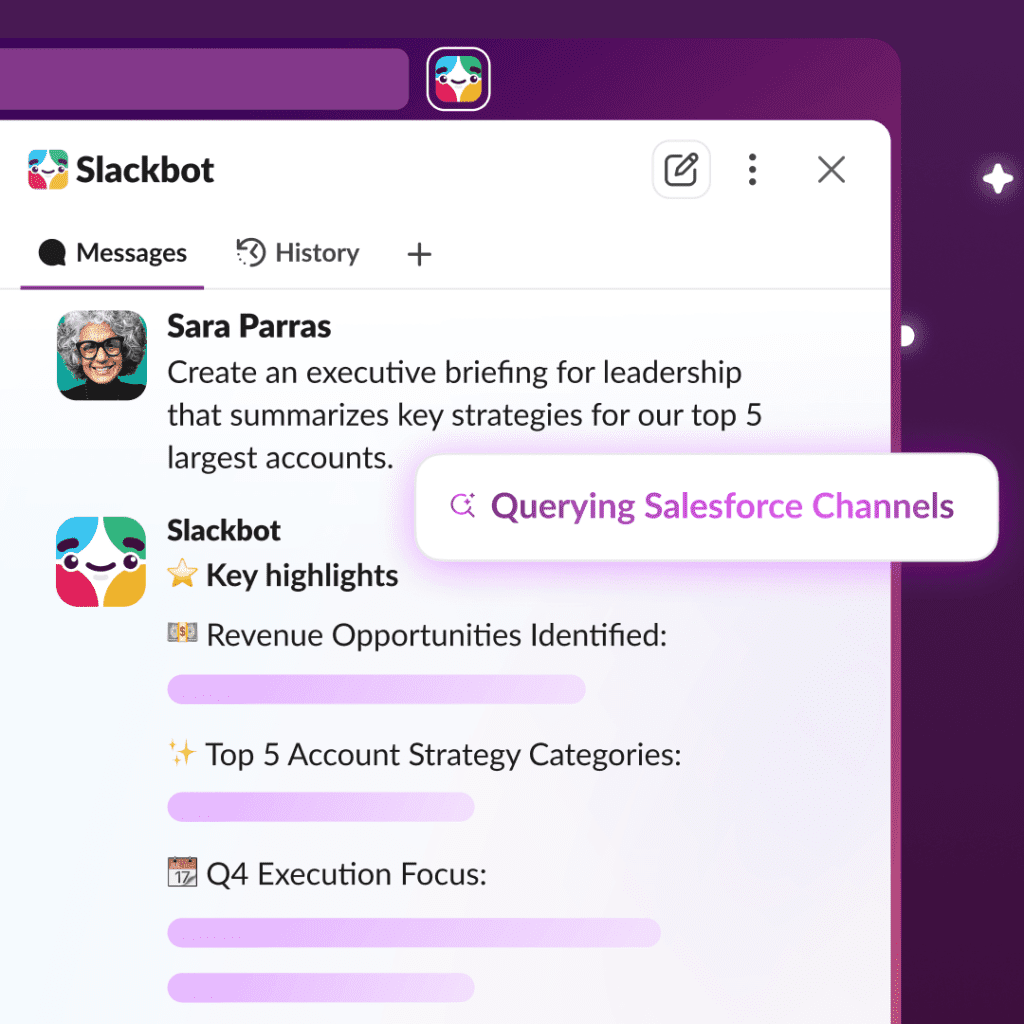
That said, a few specific capabilities in this update warrant attention regardless of platform alignment. Reusable AI-skills are the sleeper feature here. The ability to encode a team’s process once and have it execute consistently without individual prompting addresses something real: the gap between what AI tools can theoretically do and what teams actually remember to use them for. If Slackbot can recognise when an incoming prompt matches a defined skill and apply it without being asked, that’s genuinely different from how most AI assistants currently work. It shifts the AI from a tool you invoke to a system that observes and acts. That distinction, between AI that responds and AI that anticipates, is one worth paying attention to, particularly for South African organisations navigating the gap between high enthusiasm for AI tools and the harder questions of governance and wellbeing that come with embedding them into work.
Slackbot also runs on Anthropic’s Claude, a detail that’s worth knowing if you’re tracking how enterprise AI supply chains are being assembled. Salesforce chose Claude partly because it was the only provider meeting FedRAMP Moderate certification requirements when Slack began building the system. That’s a practical constraint that happened to align with quality. It also means Anthropic, which has been relatively quiet on the enterprise integration front, now has Slack as one of its most significant commercial deployments.
The desktop agent capability is where the platform ambition and the employee reality are most likely to diverge. Reading screen content, listening to meetings in the background, and taking actions on your behalf using your permissions is powerful. It’s also the kind of feature that requires genuine organisational trust to deploy at scale. Employees in environments where surveillance anxiety is already elevated, and South African workplaces are not exempt from this, will notice that Slackbot now knows what’s on their screen and what was said in their calls. Salesforce has said privacy controls are built in and users can adjust permissions as needed. The governance conversations that need to accompany a rollout of this scope are at least as important as the feature itself.
What Salesforce has built in Slackbot is technically coherent and strategically smart. The consolidation of meeting intelligence, agent orchestration, CRM, and process automation into a single conversational surface is a genuine attempt to solve a real problem: the fact that most enterprise AI capability is invisible to most employees because finding it requires knowing it exists. Slackbot’s answer is to remove the need to know. That’s a useful answer. It’s just not a complete one.
The organisations that will extract real value from this update are those that have already done the harder work: defining what agents they actually need, connecting those agents to accurate data, and building the governance frameworks that determine what Slackbot can and can’t do on an employee’s behalf. The announcement treats that infrastructure as a given. For most teams, it isn’t.
This isn’t the new Slack. It’s the new pitch for what Slack wants to become. The gap between those two things is where the real work begins.