

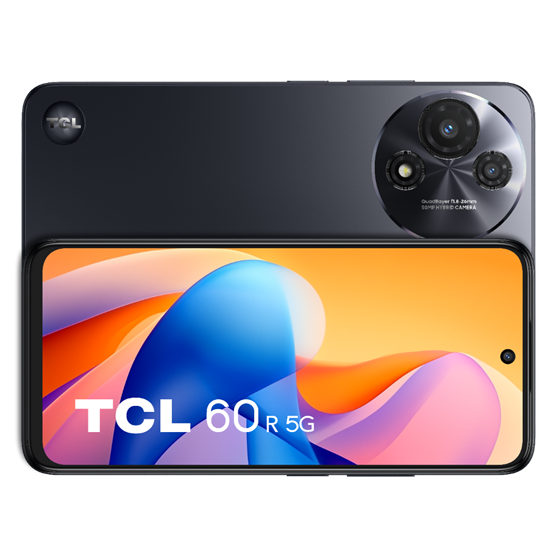
A 5G phone for under R2,000 sounds like marketing fiction. Yet TCL has gone and made it a line item. The new TCL 60R 5G — powered by a MediaTek Dimensity 6300 chip and a claimed two-day battery — lands in South Africa this month, offering full-speed 5G on prepaid for R1,999. You can pick it up from Takealot, Cellucity, or a scattering of other local retailers.
On paper, it’s the kind of device that’s supposed to “democratise” technology — that word we keep hearing from every brand trying to sell a cheaper version of the future. A 120Hz display, a 50-megapixel camera, and a 5,200mAh battery. These are specs that, not long ago, were common in mid-range phones. But this is South Africa, not Shenzhen. The real story isn’t that TCL can build a phone this cheap. It’s whether anyone here can actually use it the way it’s sold.
The company line is predictable but polished. “The TCL 60R makes 5G more accessible than ever,” says Ernst Wittmann, TCL’s regional manager for Southern & East Africa. He’s not wrong — in a market where a single month of mobile data can cost more than the phone itself, accessibility matters. But accessibility is a slippery thing. It’s one thing to make a phone affordable, another to make it sustainable.
We’ve been here before. Every few years, a manufacturer swoops in with a big affordability promise, usually attached to an imported chipset and a campaign slogan about “inspiring greatness.” The intent is noble. But the devices often become e-waste faster than their marketing cycles end. Cheap doesn’t automatically mean accessible. A phone that’s easy to buy isn’t always easy to keep alive — especially in a country where battery replacement costs, power fluctuations, and service delays turn ownership into a part-time job.
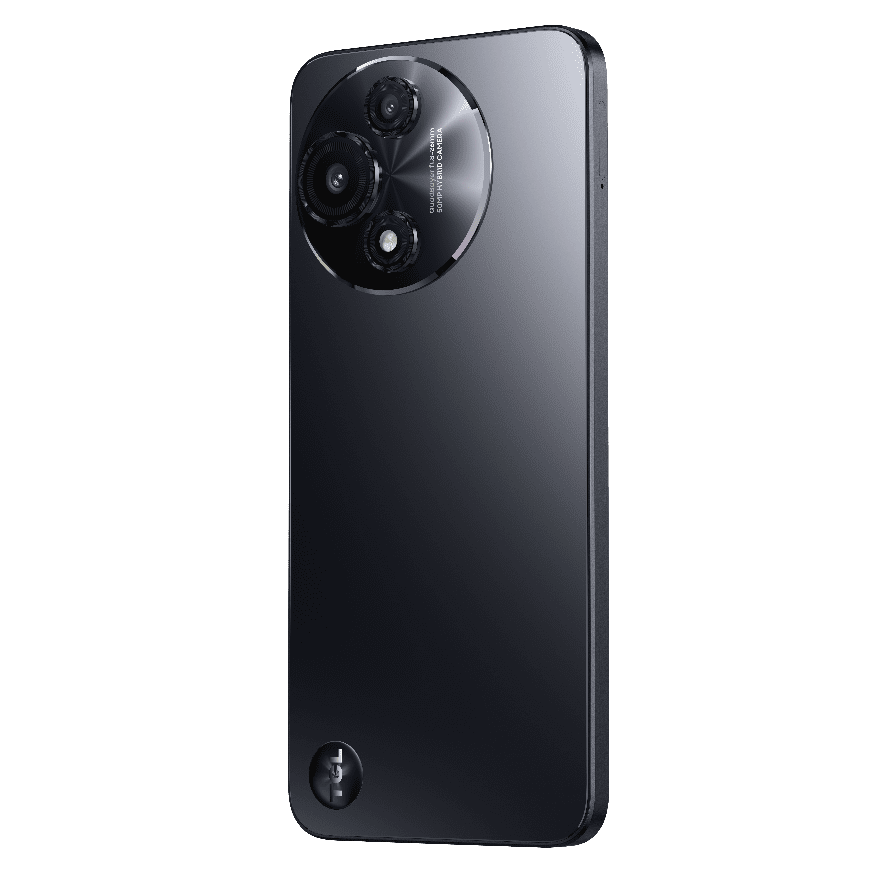
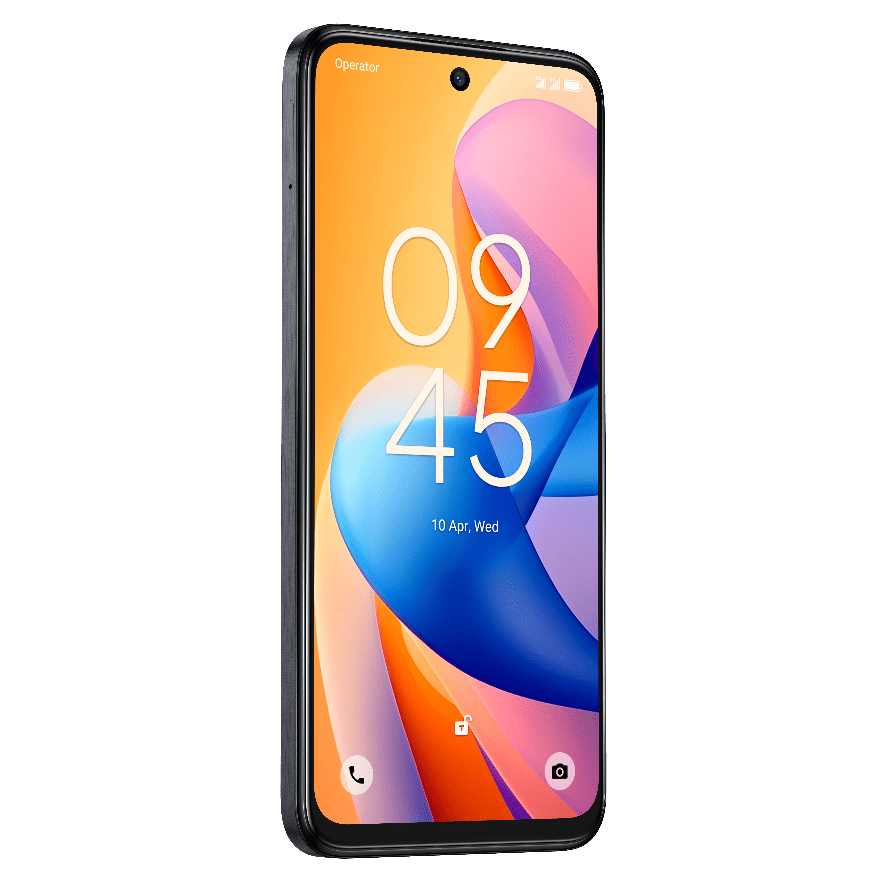
The TCL 60R 5G looks decent, though. TCL’s display tech has always punched above its weight. The 6.7-inch NXTVISION screen and dual speakers will make TikToks and YouTube streams look clean enough for anyone not squinting at pixel density. And at this price, you’re not supposed to squint. It’s about giving a sense of modernity — a smooth screen, a camera that flatters, a connection fast enough to scroll your way through load-shedding.
But underneath the celebration of price is something more interesting: the way South Africa’s smartphone market is evolving around desperation, not luxury. The big brands talk about AI cameras and titanium frames, while most people are just looking for a phone that won’t die at 8 p.m. The TCL 60R 5G doesn’t pretend to be aspirational. It’s a survival device dressed as progress.
There’s something refreshing in that honesty. TCL isn’t pretending this is a flagship, only that it’s good enough. And maybe that’s the most subversive thing a phone can be in 2025. Good enough to connect, to stream, to exist inside the same networks as everyone else.
Still, the promise of “5G for all” needs scrutiny. Network coverage in South Africa remains uneven, and prepaid users are the last to see the benefit of higher speeds when data costs remain the real bottleneck. You can hand someone a 5G phone, but you can’t hand them affordable bandwidth. That paradox isn’t TCL’s fault — it’s an indictment of the infrastructure and economics around it.
It’s worth remembering, as I’ve said before in this Reframed piece, that accessibility isn’t a feature, it’s an ecosystem. A phone is only as democratic as the conditions that sustain it.
So yes, the TCL 60R 5G is technically a milestone. It’s the cheapest 5G device in the country right now, and that matters symbolically. But it’s also a reminder that tech progress doesn’t always arrive in the ways we expect. Sometimes it’s less about making things futuristic, and more about making them survivable.