

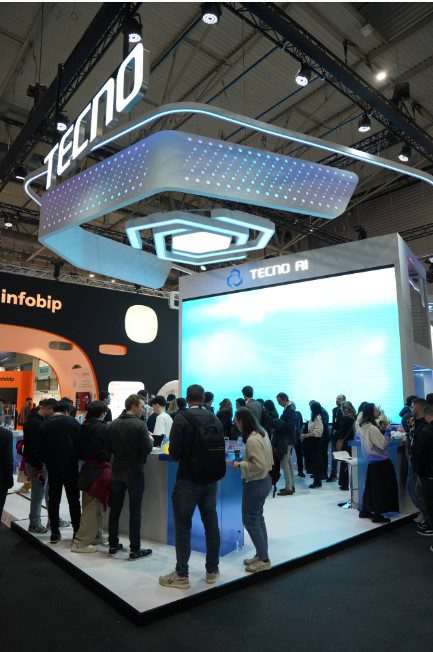
MWC 2025 has wrapped, and as usual, it was a whirlwind of announcements—some genuinely groundbreaking, others more about marketing spin than substance. TECNO, a brand that’s been aggressively pushing into the global market from its stronghold in emerging regions, came in swinging with a lineup that looks impressive on paper: the world’s thinnest smartphone, the lightest OLED laptop, and AI-powered smart glasses. But beyond the spec sheet, does any of this actually matter?
AI in everything — but to what end?
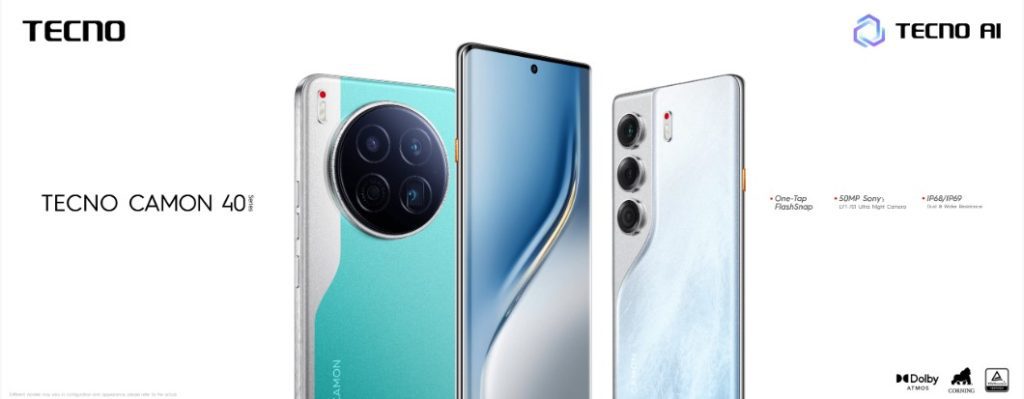
If there’s one trend that defined this year’s MWC, it’s the relentless AI-ification of consumer tech. TECNO’s new CAMON 40 Series is no exception, packed with AI-powered photography features that promise to make even the most spontaneous snapshot look pro-level. The CAMON 40 Pro 5G earned a DXOMARK score of 138, topping the under-$600 category. That’s impressive, but DXOMARK scores don’t always translate to real-world performance—especially when AI-driven enhancements can be hit-or-miss.
TECNO is leaning hard on its FlashSnap feature, which optimises camera startup and continuous shooting. In theory, it makes snapping photos faster and smarter, but this isn’t exactly a new concept — Apple and Google have been refining computational photography for years. Whether TECNO’s AI implementation can truly compete with the best remains to be seen.
The world’s lightest OLED laptop: A game-changer or a gimmick?
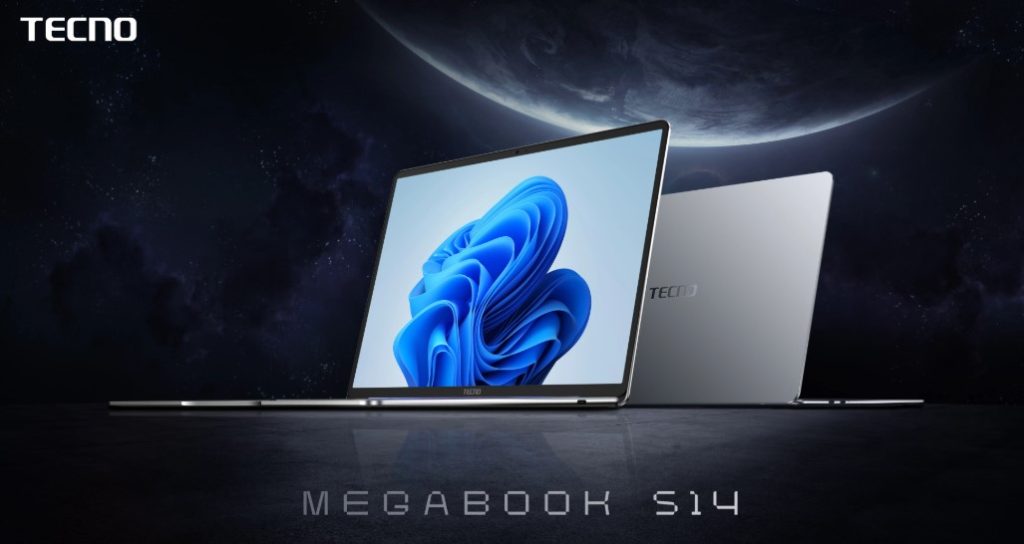
TECNO’s MEGABOOK S14 is being touted as the world’s lightest 14-inch OLED laptop, weighing just 899g. That’s undeniably impressive. It’s powered by Snapdragon’s X Elite platform, which has been making waves for its AI-enhanced performance. But here’s the thing: ultralight laptops often make trade-offs in battery life, thermals, and raw power. TECNO hasn’t proven yet whether this device can hold its own against industry heavyweights like Dell’s XPS lineup or Apple’s MacBook Air.
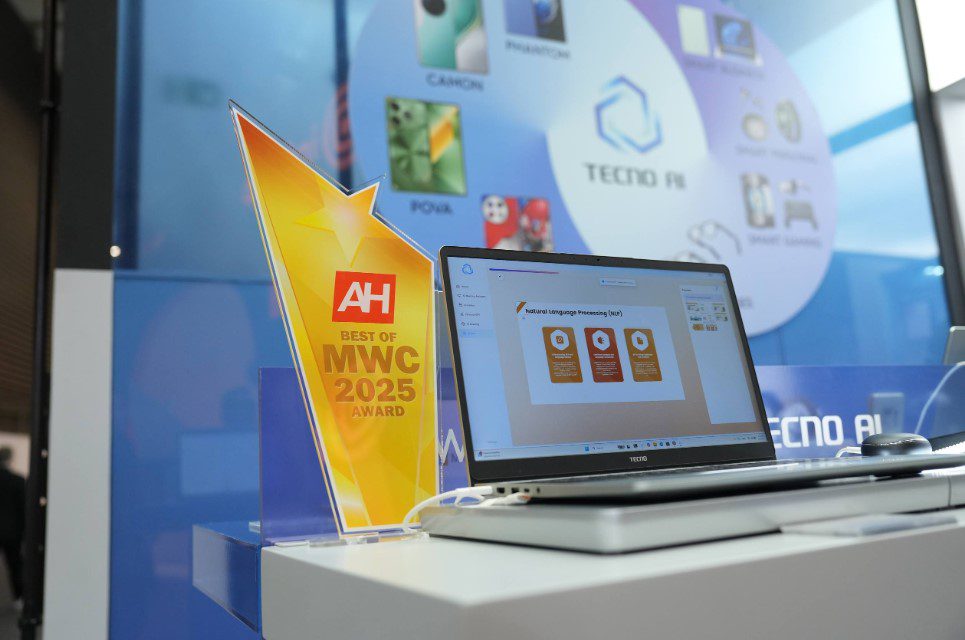
Then there’s TECNO’s push into AI-driven productivity. Features like AI-generated PowerPoint slides, offline meeting transcription, and an AI-assisted gallery sound great, but similar tools are already being built into Windows, macOS, and even Google Docs. The real question is whether TECNO’s AI is genuinely useful or just another layer of unnecessary software that most users will ignore.
Smart glasses: A future bet that might not pay off
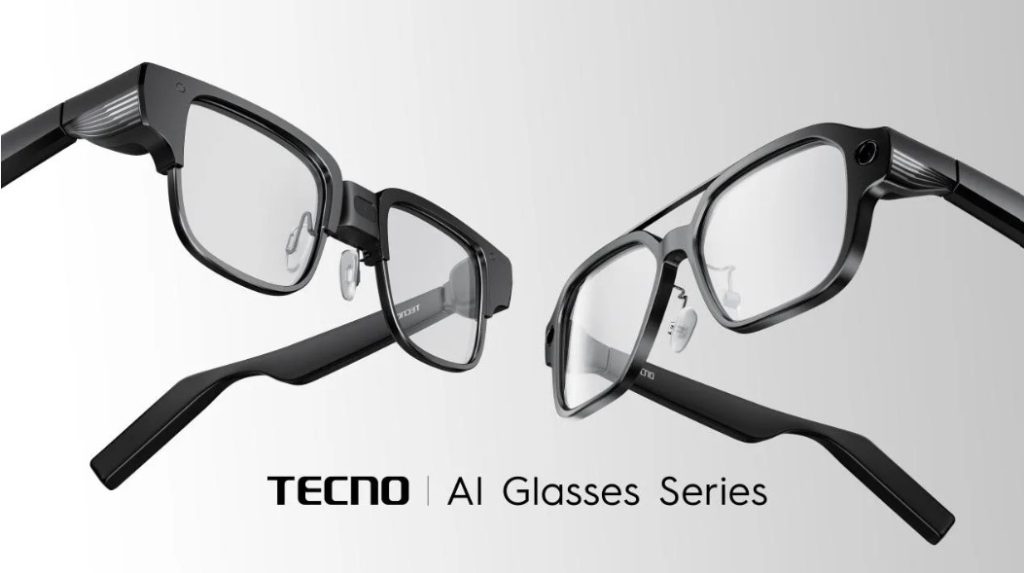
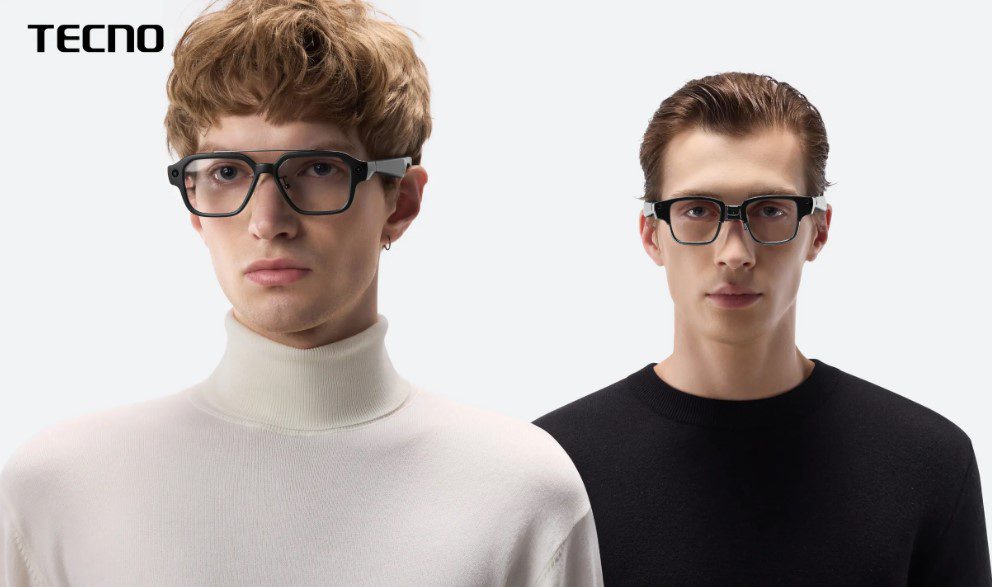
TECNO also unveiled its first artificial intelligence powered smart glasses, available in two models: TECNO AI Glasses and TECNO AI Glasses Pro. These come with a high-resolution OV50D sensor, making them more camera-centric than other AR wearables on the market. The idea is that users can snap pictures and use real-time AI object recognition — so if you point them at a restaurant, you’ll get instant ratings and reviews.
It’s ambitious, but there’s a reason smart glasses haven’t taken off. Privacy concerns, battery life, and the fundamental question of whether people actually want to wear a camera on their face all remain unanswered. TECNO’s inclusion of real-time language translation (supporting over 100 languages) is compelling, but it’s not entirely unique — Google Translate and other AR apps, as well as earbuds from other OEMs with live language translation, already offer similar functionality.
What does this mean for the industry?
TECNO’s presence at MWC 2025 signals something important: the company isn’t content with being a budget-friendly alternative in emerging markets. It wants to be taken seriously as an innovation leader. The specs are flashy, and the AI integration sounds promising, but whether these products hold up against more established players remains an open question.
The bigger takeaway from MWC? AI is being woven into everything, but not all AI-powered features are created equal. The challenge for brands like TECNO will be proving that their AI implementations actually improve user experience, rather than just serving as another buzzword.