


The uphill logic of electric progress
Progress in South Africa rarely travels in straight lines. It winds, grinds, and climbs — often literally. Which makes the image of the Volvo EX30 Cross Country inching up the Sani Pass — a route as unforgiving as it is iconic — feel less like a marketing coup and more like a metaphor for the country’s relationship with innovation.
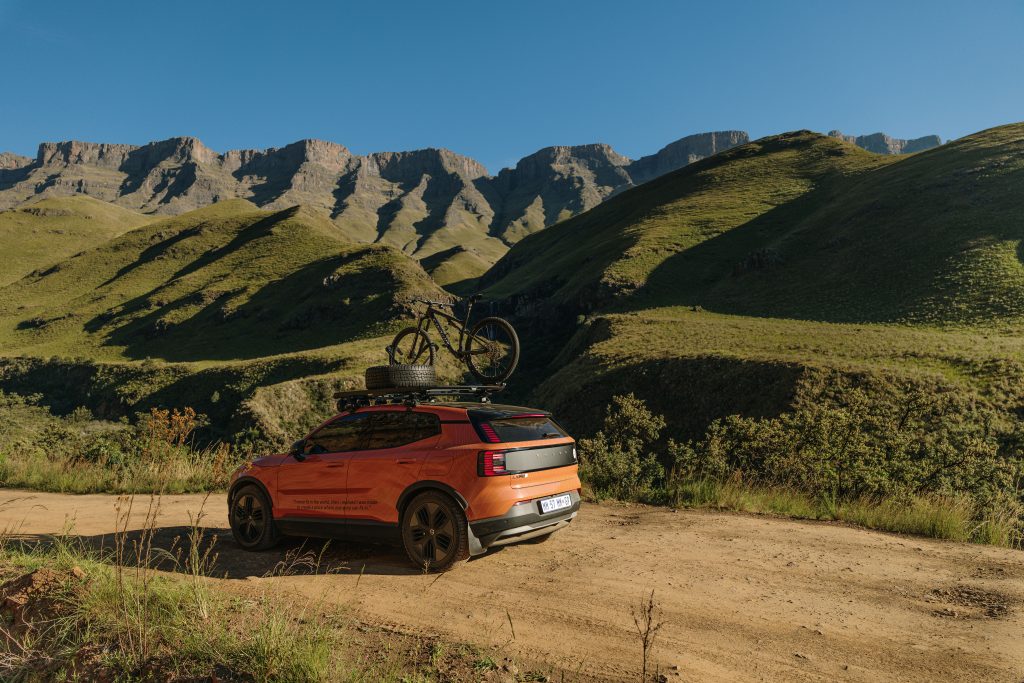
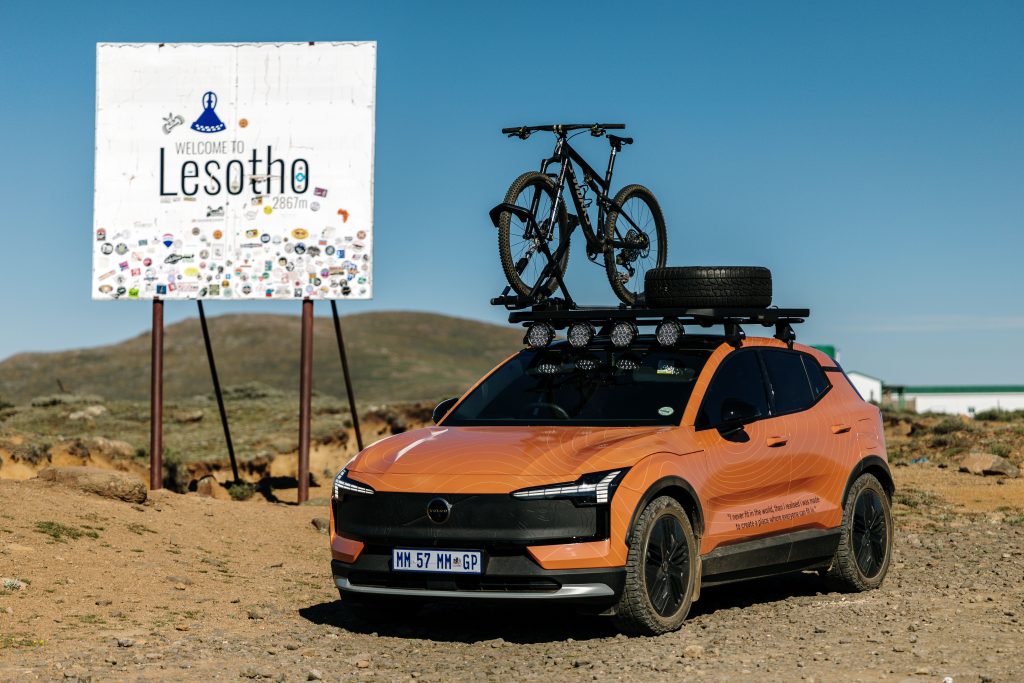
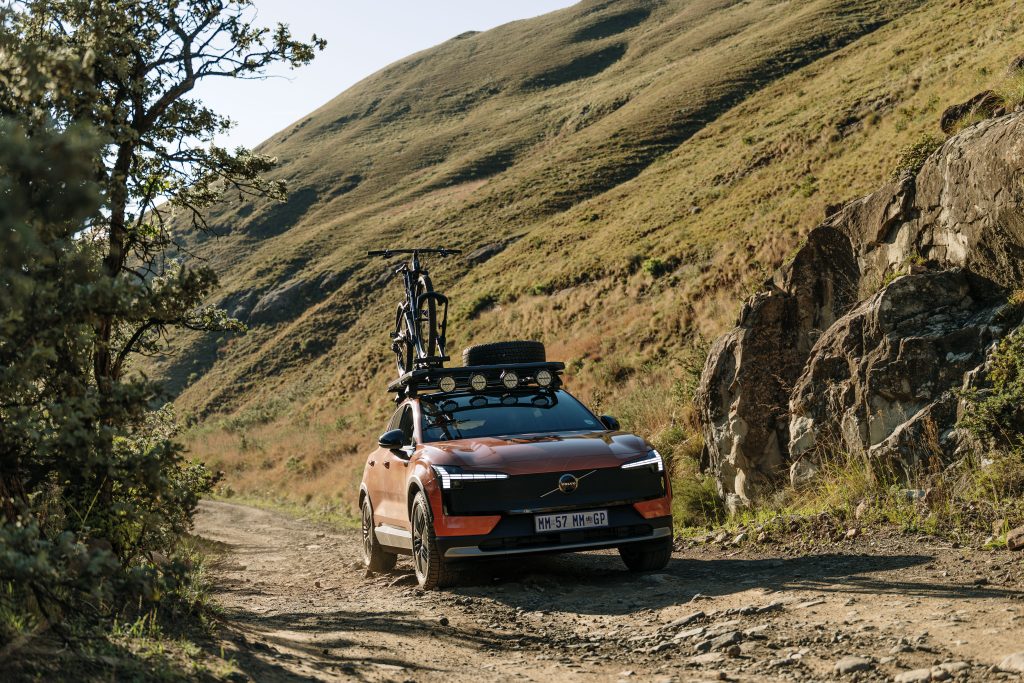
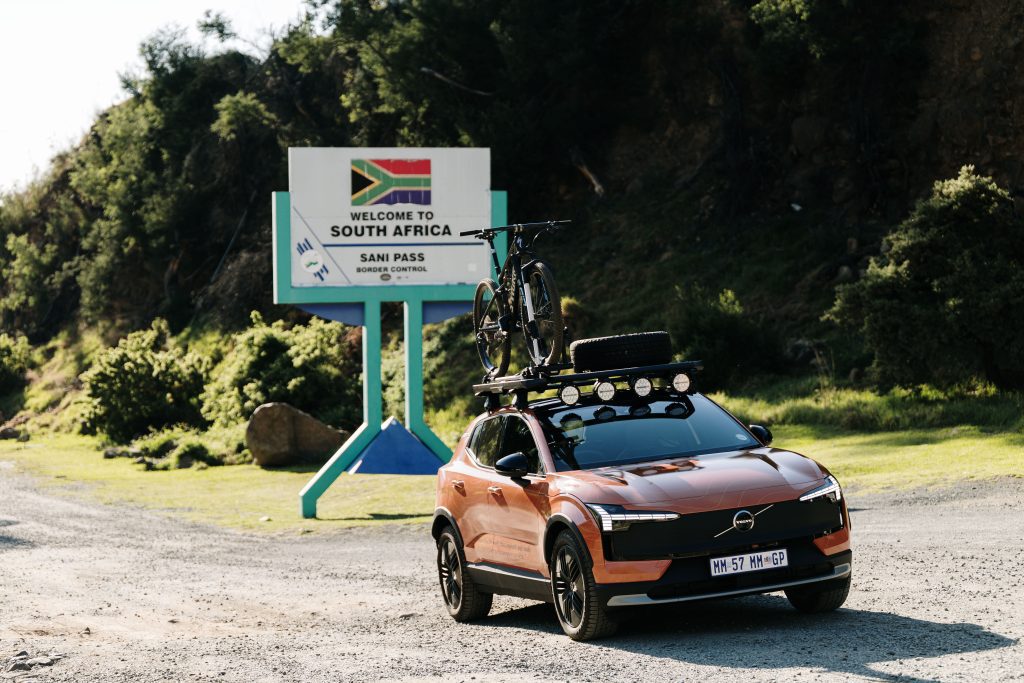
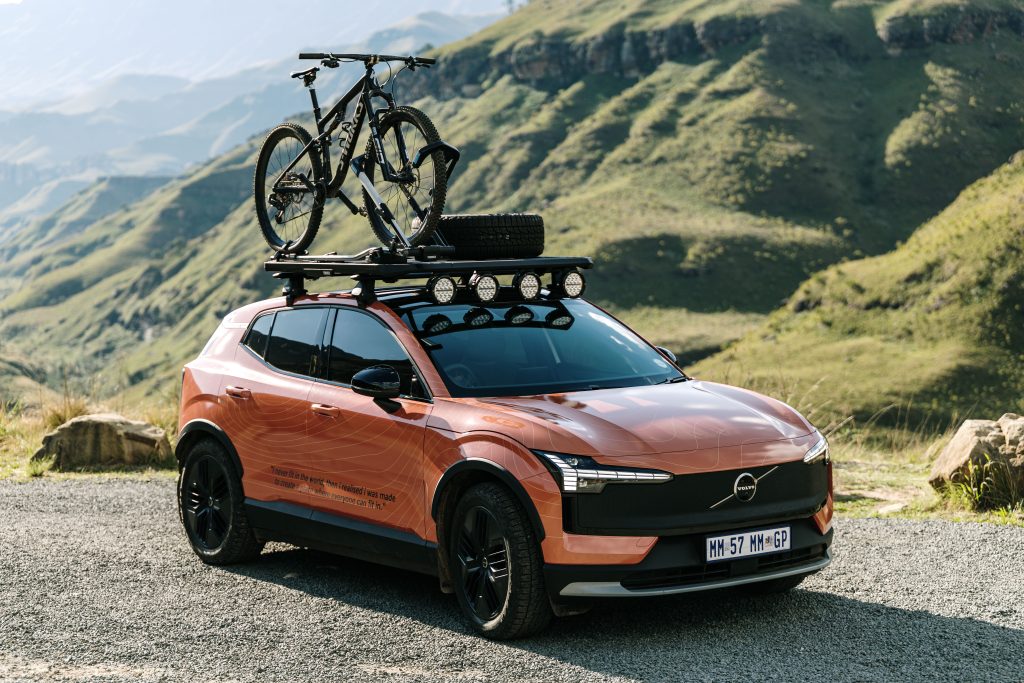
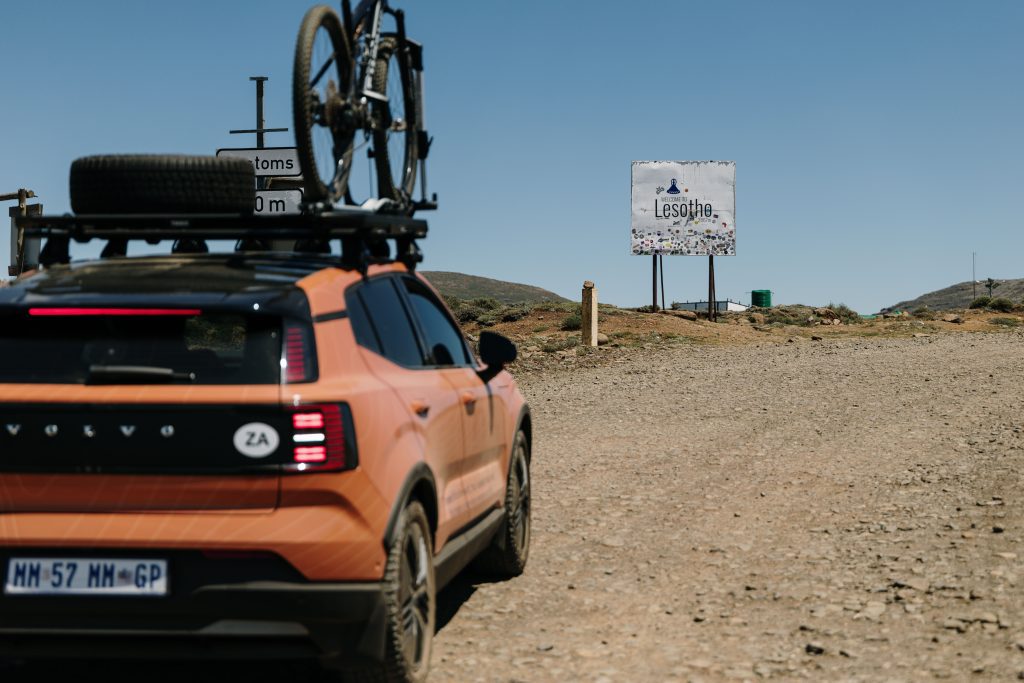
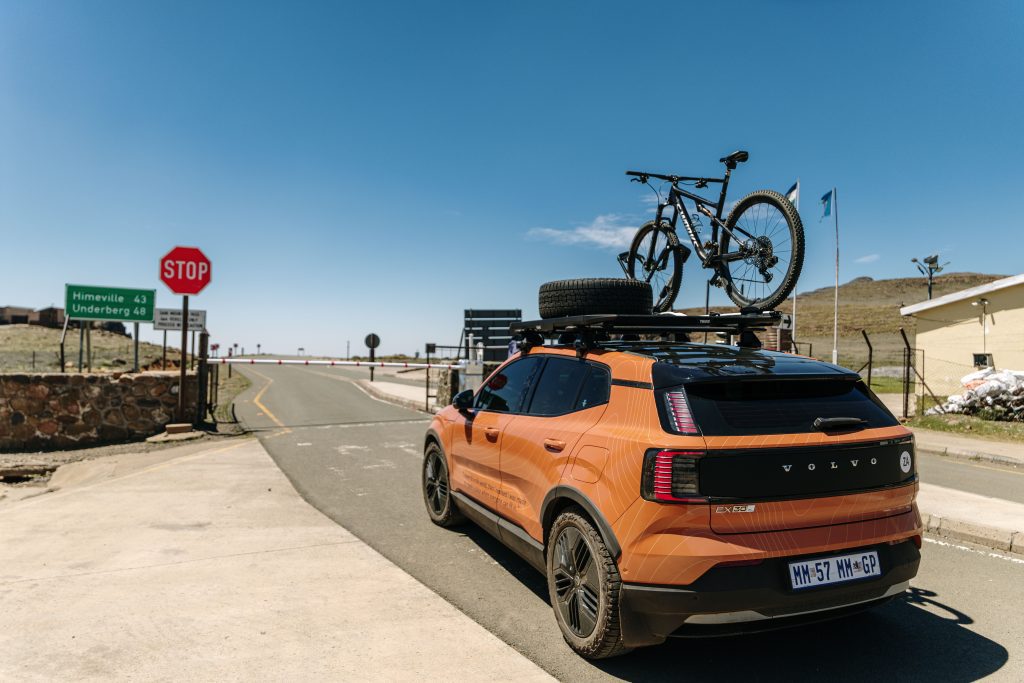
Last month, the compact electric SUV became the first fully electric vehicle to conquer the notorious pass — a steep, switchback ascent through the Drakensberg that tests traction, patience, and ego in equal measure. For Volvo South Africa, the climb marked the close of Transport Month and a public demonstration of both engineering confidence and environmental intent.
But beyond the announcement lies a subtler truth: South Africa’s electric future will not be built in showrooms. It will be tested — and possibly forged — on roads like this.
A road as myth, and mirror
Sani Pass isn’t just a mountain route; it’s a myth carved into rock and mud. For decades it’s separated the cautious from the brave, the curious from the capable. Long before engines, Basotho shepherds traded livestock along its jagged edges. In 1969, the first Volvo crested the trail — all torque and grit. Fifty-six years later, the Volvo EX30 Cross Country returned to the same serpentine gravel, but this time it hummed instead of roared.
The contrast is telling. Where once horsepower was a symbol of dominance, now silence has become the language of progress. Yet the story is less about technology than about context: whether a single electric climb can resonate in a nation still haunted by unreliable power and infrastructural precarity.
Solar to summit
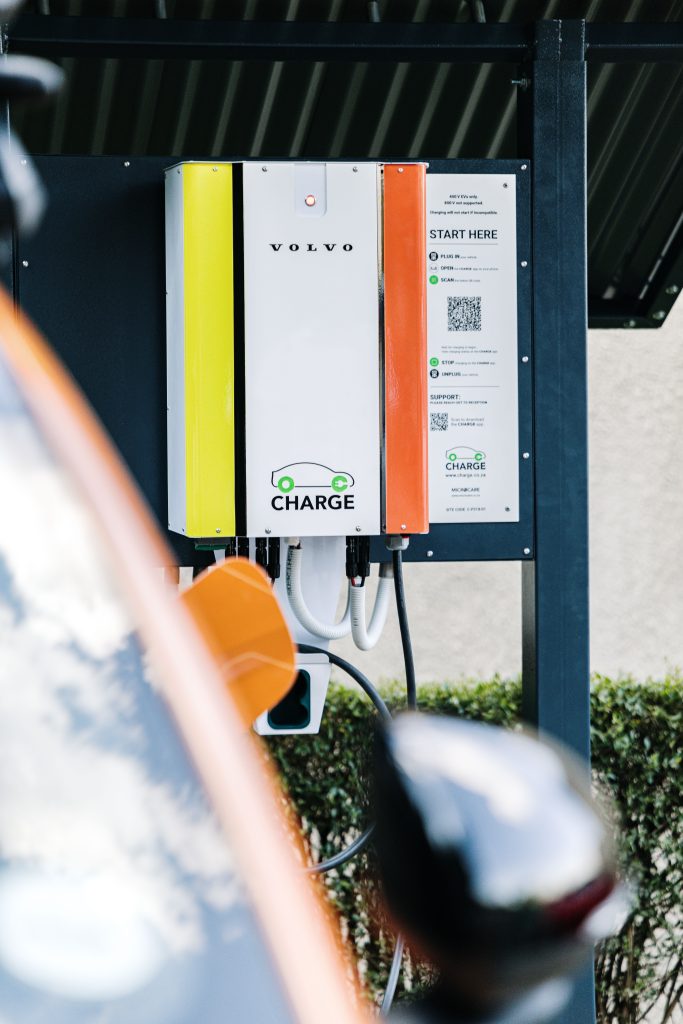
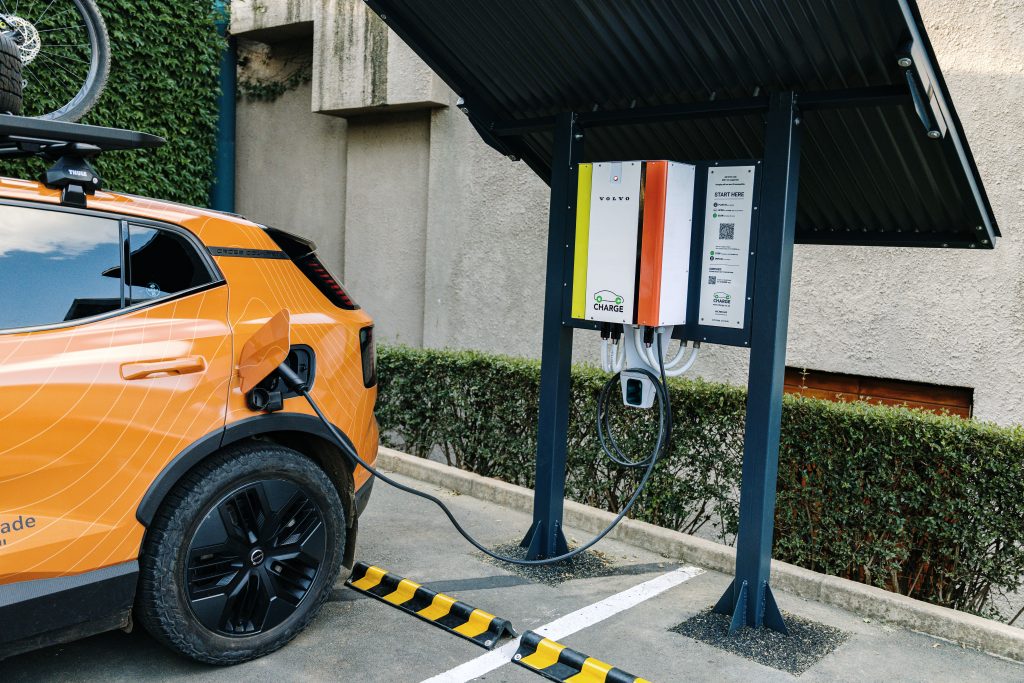
The ascent wasn’t achieved in isolation. It was powered by South Africa’s highest solar-powered EV charger, installed by CHARGE at Premier Resort Sani Pass, 1,566 metres above sea level. That detail matters. It meant the EX30 Cross Country completed a solar-to-solar journey — clean energy in, clean energy out.
For Joubert Roux, founder of CHARGE, the installation represents more than proof of concept. It’s a glimpse of how electric mobility might reach beyond metropolitan enclaves. The site will be upgraded in 2026 with battery storage, allowing for overnight charging — an infrastructural footnote that might, in time, become a turning point.
Design meets endurance
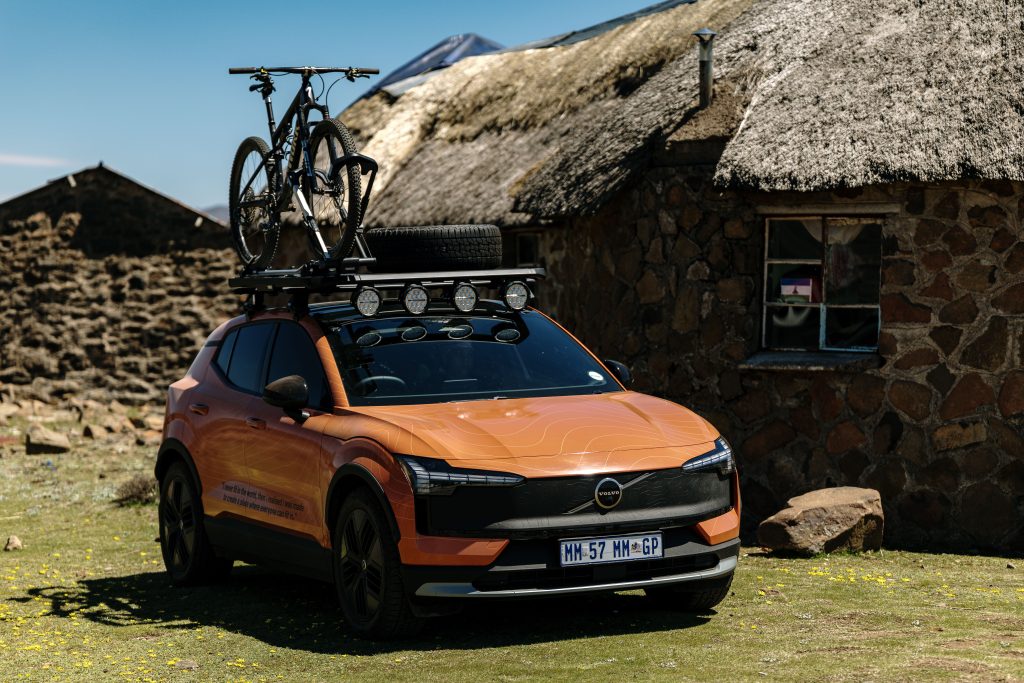
There’s an aesthetic argument too. The EX30 Cross Country isn’t a hulking off-roader. It’s small, even elegant — a Nordic design object reimagined for African terrain. Its 315 kW output and measured stance make it less a brute and more a statement about restraint: that sustainability doesn’t have to shout to be powerful.
Grant Locke, Managing Director of Volvo Car South Africa, framed the climb as “a defining moment for electric mobility in South Africa.” He’s right, though perhaps not for the reasons one expects. It’s defining because it blurs boundaries — between adventure and ethics, capability and consciousness.
The limits of symbolism
Yet symbolism can only climb so far. Electric vehicles remain out of reach for most South Africans. Load-shedding, limited charging infrastructure, and price barriers keep EVs at the margins of the country’s mobility conversation. A single, solar-assisted ascent doesn’t change that.
But moments like this do have a different kind of traction — cultural rather than literal. They help shift the mental map of what’s possible. They make the conversation visible, tangible, and — crucially — aspirational. They suggest that sustainability here won’t be imported wholesale from Europe or China, but adapted, contested, and earned on local ground.
A quiet kind of progress
In the end, the Volvo EX30 Cross Country’s journey up Sani Pass wasn’t about spectacle. It was about proving that electric mobility can coexist with South Africa’s rugged sense of place. That clean energy can reach altitude. That progress, here, will always involve a climb.
And maybe that’s the most honest version of innovation South Africa can offer: not the sleek inevitability of transition, but the messy, upward momentum of persistence.