

There’s a line in the AWS press release that reads like prophecy: “Scaling frontier AI requires massive, reliable compute.” It’s not a new thought — but when Sam Altman says it and AWS writes a $38 billion cheque, the message lands differently. The AWS OpenAI partnership isn’t just another handshake between corporate titans; it’s a quiet rearranging of power at the physical layer of the internet — the realm of chips, cooling, and capital.
Software still carries the myth of intelligence, but the real story now lives in hardware. AWS isn’t merely leasing servers; it’s deciding where and how thinking happens. Hundreds of thousands of NVIDIA GPUs wired into EC2 UltraServers — and plans for tens of millions of CPUs — sound like technical theatre, but this is the scaffolding of tomorrow’s economies. What AWS is selling isn’t capacity. It’s continuity: the promise that OpenAI won’t run out of room to think.
Infrastructure as ideology
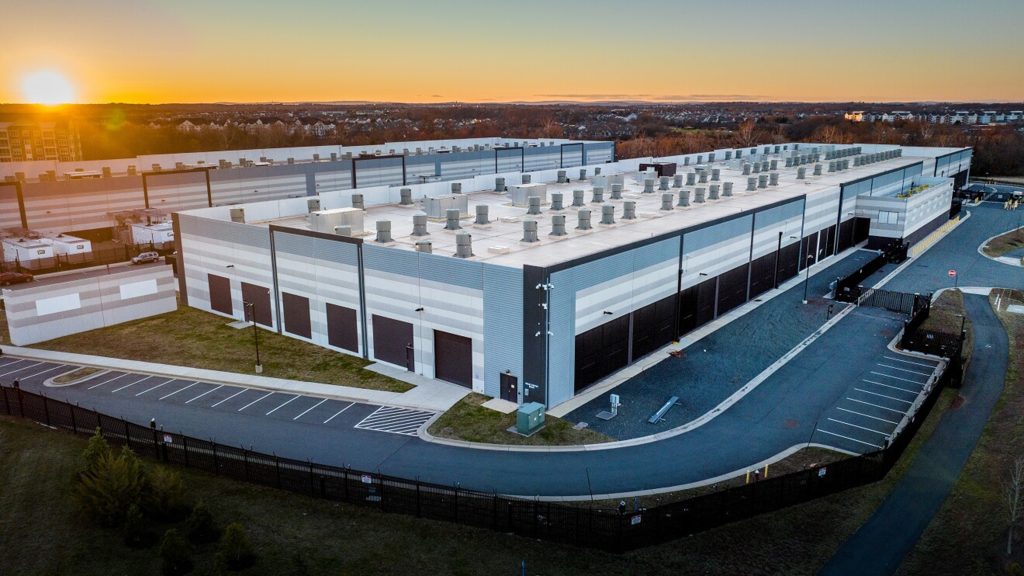
The scale of the deal is impressive, but the subtext is sharper. The business of AI isn’t about models anymore; it’s about logistics. The data centre has become the new factory floor. Each megawatt of energy translates into the ability to train or simulate, and the companies that own that layer — AWS, Microsoft, Google — are becoming the real authors of technological direction.
The last decade sold the illusion of infinite cloud. This one is quietly admitting its limits. Chips, power grids, and network density now dictate the speed of progress. AWS, through deals like this, isn’t simply a vendor; it’s a kind of sovereign infrastructure. It governs the flow of compute the way oil once governed geopolitics. The same logic underpins Cisco’s argument for “AI-ready” network infrastructure, which frames the backbone of intelligence as both a technical and commercial priority — an economy built from bandwidth.
A deal about dependence
For OpenAI, the partnership is less an innovation than an insurance policy. Compute scarcity has become the new constraint in artificial intelligence. Every lab — Anthropic, xAI, DeepMind — is chasing hardware before they chase breakthroughs. By signing with AWS, OpenAI locks in stability and scale, at a price only a handful of players can afford.
For AWS, it’s quiet positioning. Microsoft may have the PR glow through its deep OpenAI integration, but this agreement signals something subtler — a recalibration of dependency. While the press calls it collaboration, what’s really being defined is control: who builds, distributes, and profits from the infrastructure that thought now relies on.
The stack beneath the story
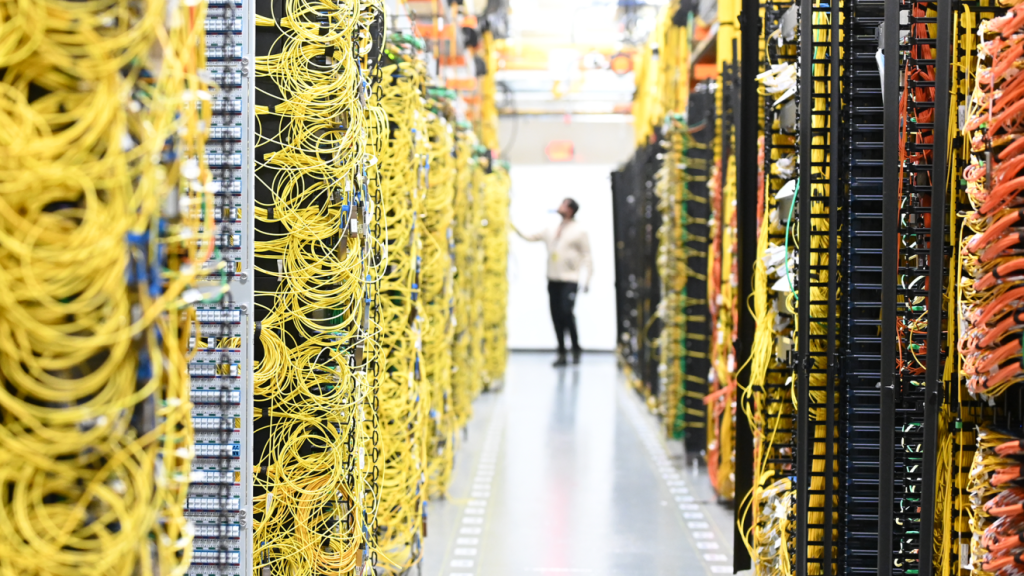
There’s a broader truth buried in the technical detail. If compute defines capability, and capability defines direction, then the real frontier of AI sits beneath the interface. Whoever owns the servers owns the future — not by writing code, but by deciding who gets access to it.
AWS has already been edging into that role. Through its Bedrock platform, OpenAI’s models are available to enterprise clients across sectors — from health to finance to marketing — quietly embedding AWS into the bloodstream of machine learning. This deal cements that status. AWS isn’t just powering intelligence; it’s commercialising the conditions for it.
Scaling without permission
It’s easy to mistake this for progress: more compute, more capability, more access. But every leap in scale tightens the circle of participation. When compute becomes the currency of innovation, those without it are priced out of the conversation.
The AWS OpenAI partnership is a preview of what’s to come — a concentration of infrastructure dressed as collaboration. The work of building intelligence is moving off the public stage. It’s being industrialised: negotiated through billion-dollar contracts, hidden in the geometry of data centres, and powered by electricity grids that most users will never see.