

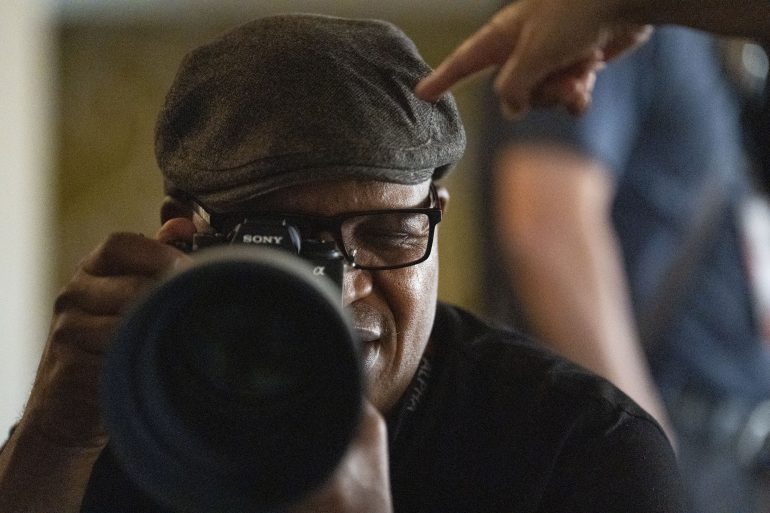
At the 2025 World Media Agencies event in Kruger National Park, Sony Alpha cameras were tested under conditions where speed and precision are non-negotiable. Over three days, professional sports photographers put the Alpha 1 II, Alpha 7R V, and Alpha 9 III through fast-moving action, unpredictable wildlife, and dynamic scenarios that mirror real-world sports coverage.
Sony’s philosophy is to make cameras feel like an extension of the photographer. In Kruger, the company demonstrated how that translates into performance. The Alpha 1 II showcased AI-based subject recognition and Hybrid AF, delivering consistent accuracy on erratic movement. The Alpha 7R V proved versatile, offering precise autofocus in low light and a four-axis tilt screen for unconventional framing. The Alpha 9 III pushed speed further with its full-frame global shutter, enabling flash sync at up to 1/80000 second and removing rolling distortion entirely.
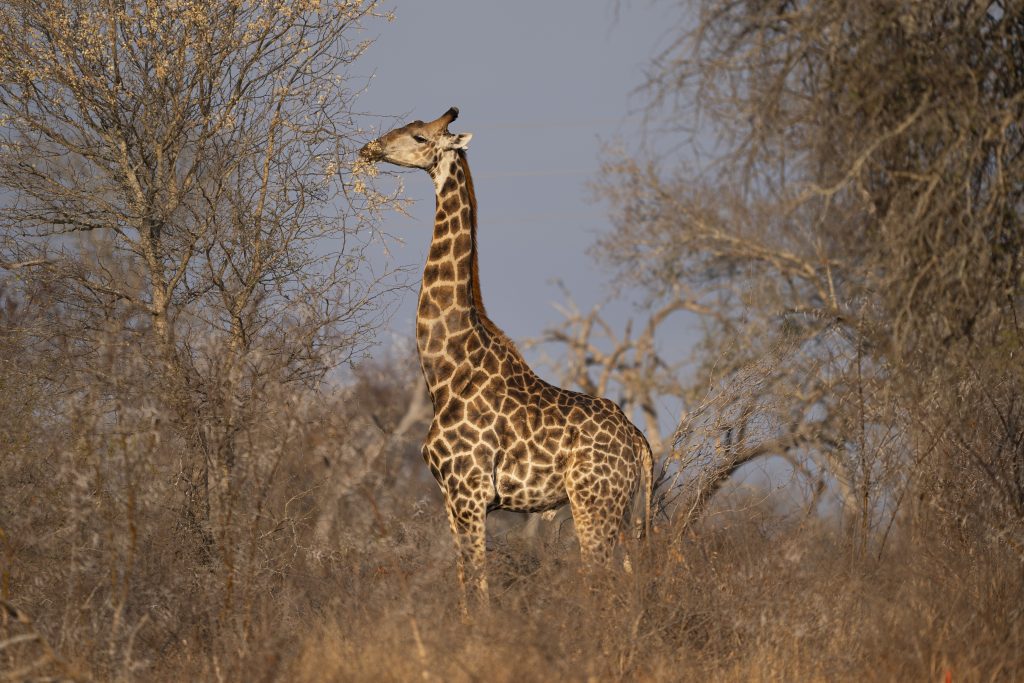
Photographers moved quickly between staged sporting moments, wildlife encounters, and portrait setups, testing the gear in conditions that demanded both technical skill and instinct. Workshops encouraged experimentation, conversation, and peer feedback — the kind of hands-on learning that doesn’t happen during typical events.


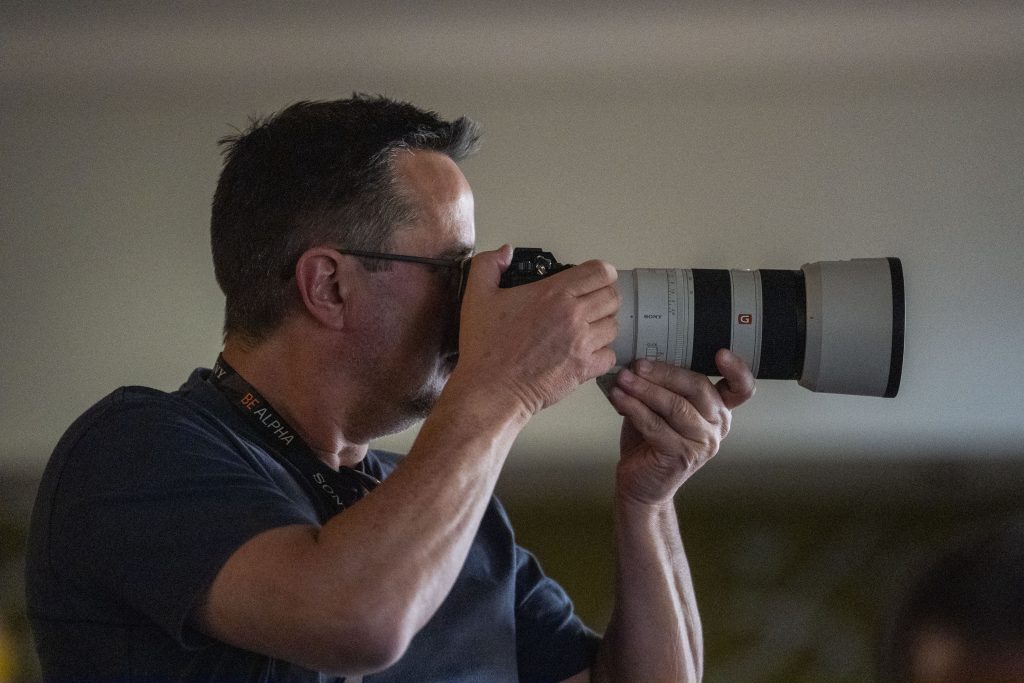
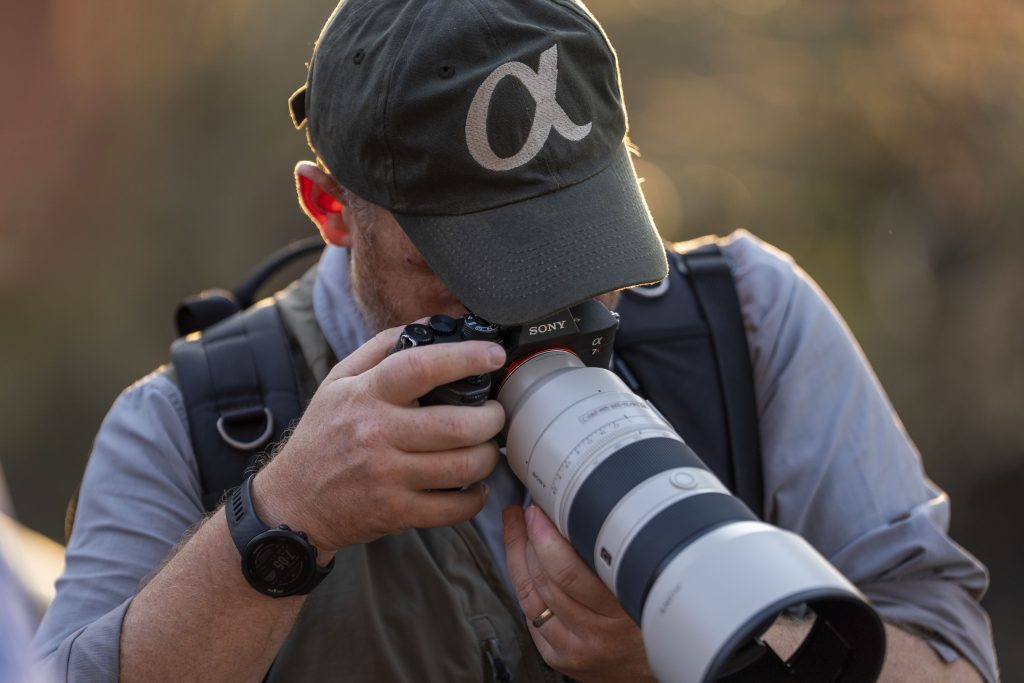
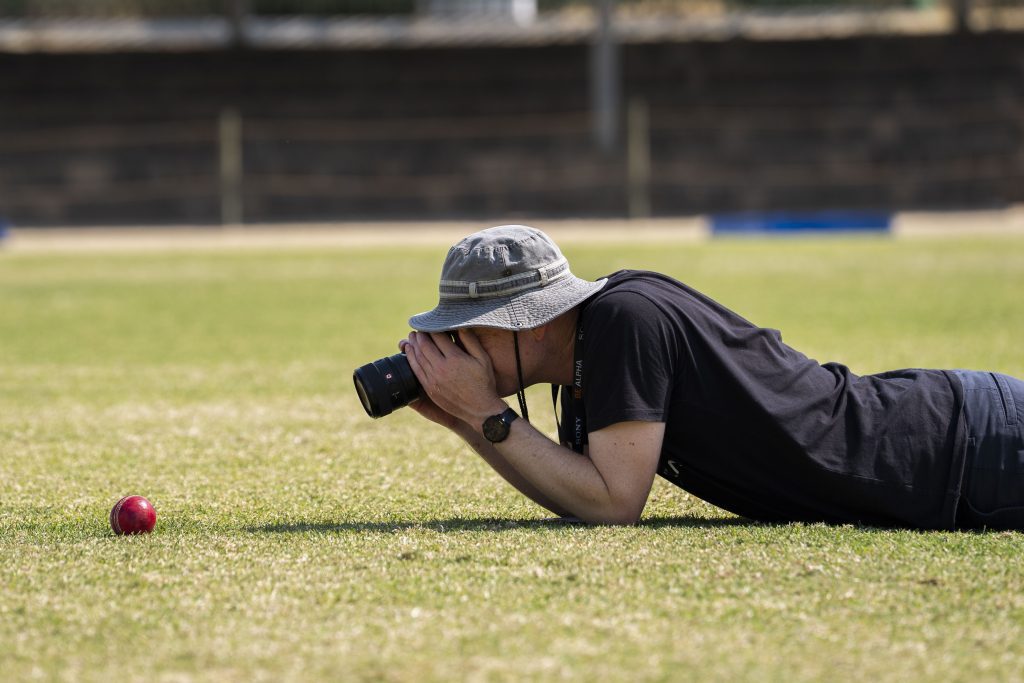

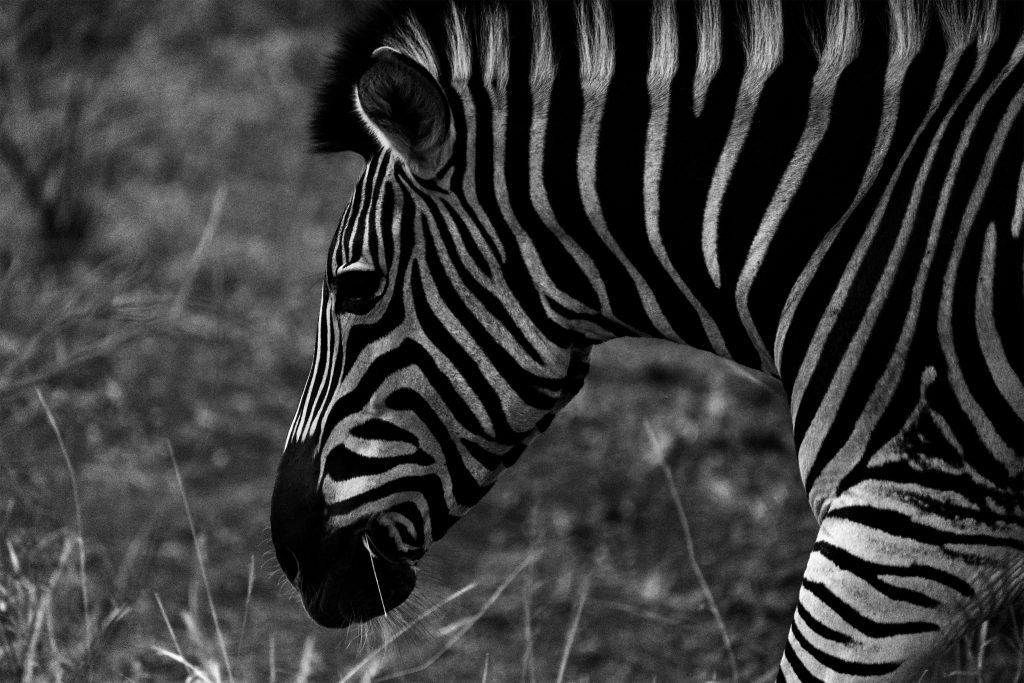
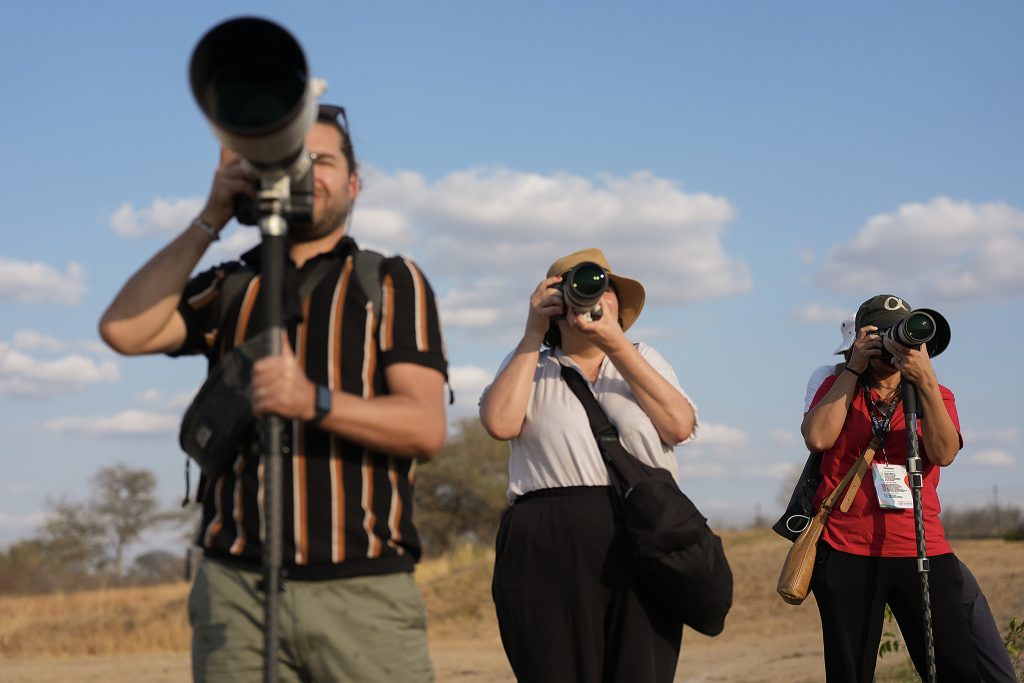
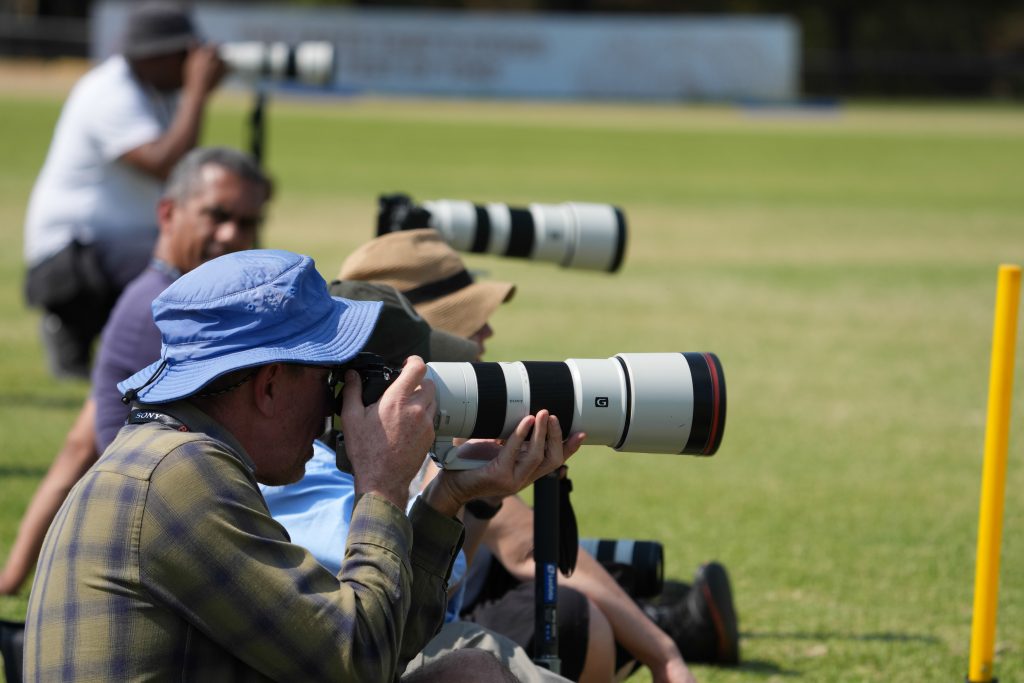
Award-winning South African photographer Nic Bothma reflected on the experience: “This group of talented photojournalists and sports photographers often work under intense conditions. Whether they’re capturing test cricket matches or documenting major political milestones, they need equipment that matches their skill. This event offered a beautiful and relaxed setting to reconnect and learn from one another.”
The event highlighted why tool choice matters. Sony Alpha cameras provide speed, AI tracking, and precision that directly affect whether a critical moment is captured or missed. This isn’t just theory: Sony’s equipment has already featured in high-profile international events, including the World Athletics Championships in Tokyo, and the Kruger showcase confirmed that the company is maintaining its lead in professional sports photography.
Sony’s rivals — Canon, Nikon, Fujifilm — all have capable systems. What set the Alpha series apart at Kruger was the balance of speed, reliability, and usability. The cameras responded predictably, allowed for intuitive controls, and delivered consistent results even in rapidly changing conditions.
By the final day, it was clear: Sony Alpha cameras offer more than specs on paper. They are tools that complement skill, allowing photographers to anticipate action and capture the moment with confidence. For professionals who live and breathe milliseconds, that reliability is everything.
In Kruger, Sony Alpha cameras weren’t just demonstrated — they proved why they remain a top choice for professionals who need precision, speed, and versatility in the field.