
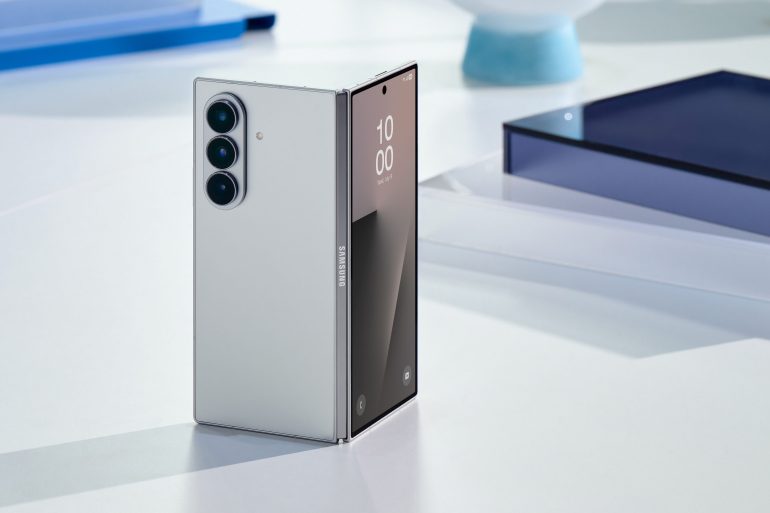
“It’s so thin.”
“Oh wow, it’s so light.”
That’s what just about everyone said when I handed them the Samsung Galaxy Z Fold7. And honestly, it was my reaction too. Foldables have always been striking pieces of engineering, but up until now, none of them felt like they truly solved a problem. They’ve been clever, expensive, conversation starters, but not daily drivers. The Fold7 changed my mind.
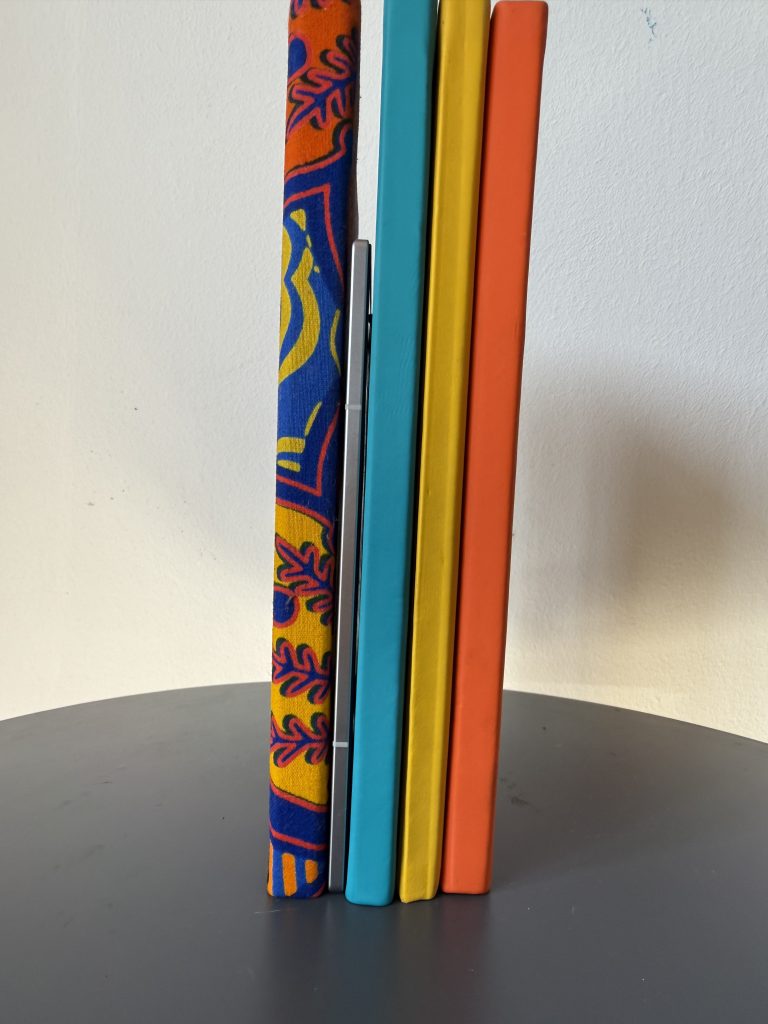
At one point, I genuinely thought I’d lost it. The phone was in my pocket, but it was so slim and light that I couldn’t feel it. Thinness and weight can sound like clichés, but with the Fold7, they genuinely change the experience. You have to feel it in your hand to appreciate how much more usable it is compared to earlier models. This is the first foldable that doesn’t feel like a compromise. It feels like a complete phone.
Hardware finally catches up to software
Samsung has been setting the standard for Android software for years. Multitasking, windowed apps, continuity between displays, and gesture controls all reached a level of polish few competitors could match. The problem was always the hardware. Previous Fold models were heavy, thick, and occasionally fragile. You had to tolerate the form factor to get the software benefits.
The Galaxy Z Fold7 changes that equation. Hardware and software finally feel like they belong together. It opens smoothly, closes flush, and in both folded and unfolded modes, it feels like a device designed to be lived with, not just shown off. That alignment between form and function is what makes it so compelling.
I’m tempted to say this isn’t just the best folding phone Samsung has ever made. It might be the best phone Samsung has ever made. That’s not just an empty claim either. For the first time, the Fold has outsold the Flip in Samsung’s home country of Korea, a market that traditionally favoured the smaller and more playful device. People are choosing practicality over novelty, and that’s telling.






Cameras, performance and the S-Pen question
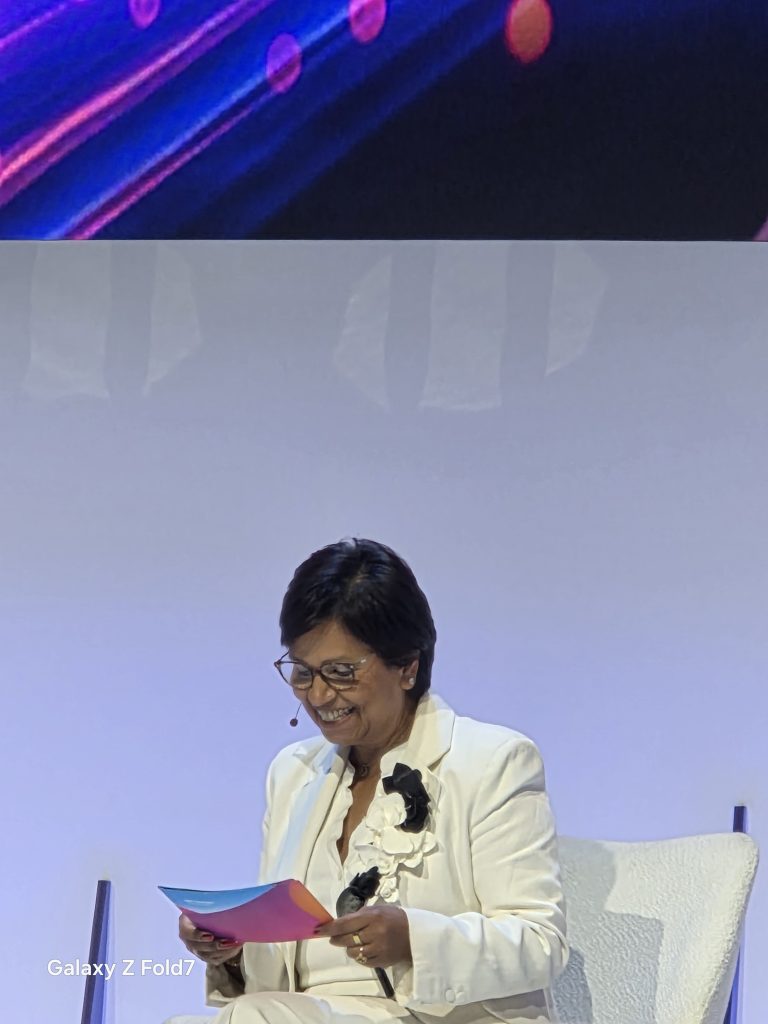
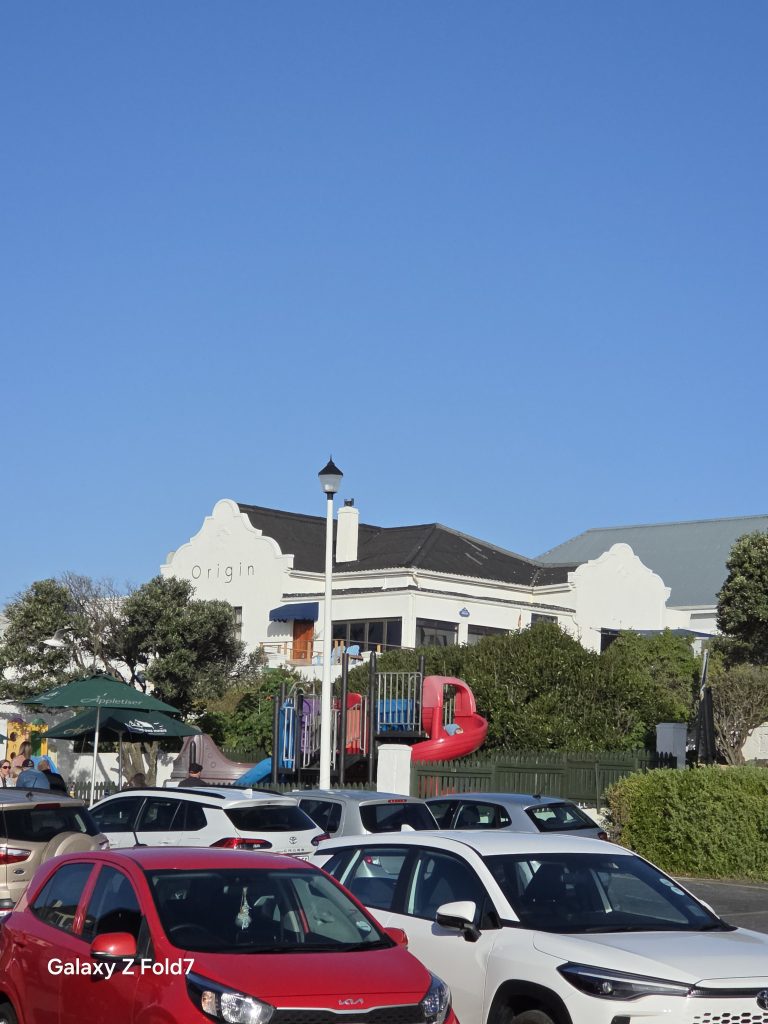
Samsung has equipped the Fold7 with a 200MP main camera, and while it isn’t the exact array you’ll find on the S25 Ultra, the improvements are clear. Photos are sharper with more detail, low-light performance holds up without excessive noise, and there’s enough consistency across the lenses that you don’t feel like you’re switching between entirely different devices.
The S25 Ultra remains Samsung’s camera king, but the Fold7 is no longer a step behind the competition in a way that feels unforgivable. For a foldable — a category that has often treated photography as an afterthought — this is a breakthrough.
Performance is what you’d expect from a premium flagship. Apps fly, multitasking feels effortless, and the large internal display is more useful than ever for editing documents, browsing, or just having TikTok and WhatsApp open at the same time. This is what Samsung’s software team has been optimising for, and now the hardware keeps up without compromise.
As for the S-Pen, its absence isn’t a dealbreaker for me. The stylus always required a bulky case to carry, which defeated the point of Samsung’s quest for thinness. I get why some users miss it, but this time, the trade-off feels worth it.
AI that actually feels useful
One evening, I decided to cook a few dumplings. I knew what I was doing, but I figured it was the perfect moment to test out Gemini Live on the Fold7. Not only did it immediately spot the Chinese cooking instructions, it gave me a general overview of what to do and then offered to translate those specific instructions in case there were differences between the general instructions and the ones in front of me (there weren’t).
Being able to speak to AI in such a natural way and have it observe the world around me while providing advice, all on a folding phone, genuinely felt like living in the future. For a split second, I thought of Star Trek’s omnipresent Computer.
Not all the Galaxy AI features are things I’d personally use, but capabilities like this have enormous potential. It’s a glimpse of a foldable that doesn’t just adapt to your apps or multitasking — it adapts to your life.
The battery problem
Where the Fold7 still struggles is battery life. Samsung’s focus on making the device as thin and light as possible means the battery isn’t as large as it could be. That design choice has real consequences — the Fold7 doesn’t last as long as you’d hope from a device at this price point.
It’s especially noticeable when you compare it to rivals like the HONOR Magic V5, which manages to pack a bigger battery into a foldable without sacrificing usability. Samsung has shown what’s possible in terms of slimness and polish, but endurance is where the Fold7 still falls short.
Why this Fold is different
Foldables have spent years in the awkward teenage phase of tech evolution. They were clunky, heavy, and often felt like proof-of-concept devices that made you wonder why you’d spend more money for more hassle. The Fold7 is the first time I don’t feel that hesitation. It’s slim enough to disappear in a pocket, light enough to use comfortably all day, powerful enough to replace both your phone and your small tablet, and finally has a camera system that doesn’t feel like a compromise.
This is why the Fold7 matters. It’s not about showing what’s possible anymore. It’s about showing what’s practical. The Galaxy Z Fold7 is Samsung’s first foldable that doesn’t feel like a niche product for enthusiasts. It feels like a mainstream device that just happens to fold.
Verdict
The Galaxy Z Fold7 is thin, light, powerful, and genuinely useful. The 200MP main camera is a major leap forward, making the Fold7 a legitimate flagship competitor rather than a niche foldable with excuses. It’s not perfect — the battery still lags behind, and the cameras, while improved, don’t quite match the S25 Ultra. But for the first time, I can say that a foldable phone doesn’t just make sense, it makes me want to switch.
This isn’t just Samsung’s best foldable. It might be Samsung’s best phone, full stop.
