

The vivo V70 ZEISS camera combination is the centrepiece of vivo’s latest mid-range phone, which landed in South Africa recently with a periscope telephoto lens, a dedicated AI Stage Mode, and 4K 60fps video that’s a first for the V series. The pitch is unusually specific: you’re somewhere in the middle of a sold-out show, and you want a photo that actually looks like the performer, not a blurry smudge with a spotlight behind it.
That’s a narrower brief than most smartphone marketing bothers with, but it’s a coherent one, and the hardware vivo has assembled to support it is more interesting than you might expect from this price segment.
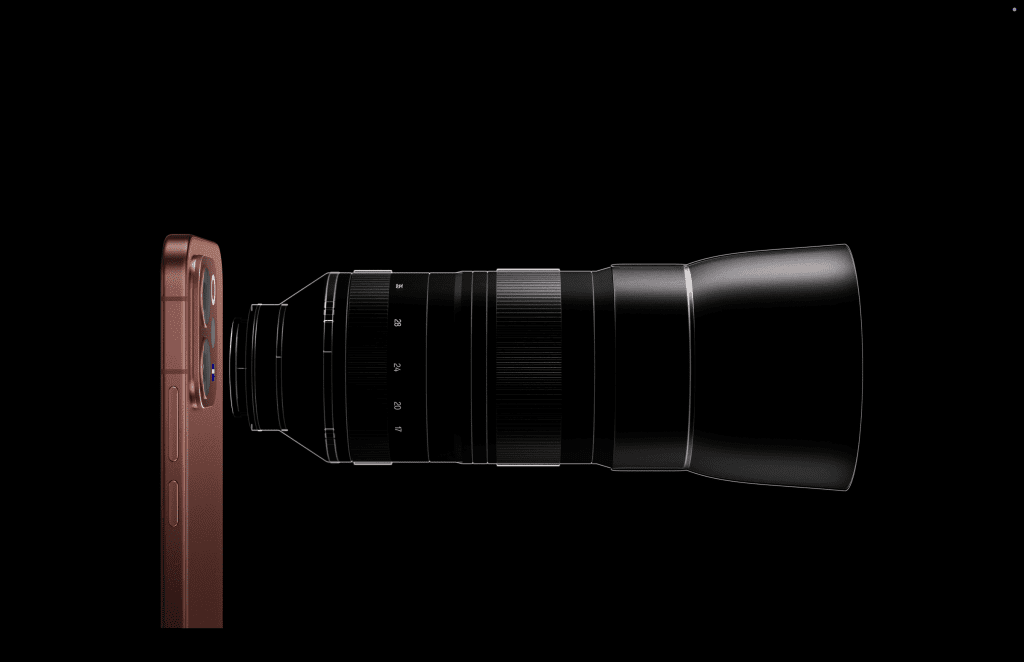
The telephoto is the headliner. vivo’s fitted a 50MP periscope lens built around a 1/1.95-inch Sony IMX882 sensor with optical image stabilisation. The periscope design folds the optical path internally, which is how the phone manages 10x zoom while staying just 7.4mm thin in its Authentic Black configuration. The main shooter uses a Sony LYT 700V sensor at 1/1.56 inches with a 50MP count and OIS, and an 8MP ultra-wide rounds out the rear. The front carries a 50MP ZEISS Group Selfie Camera with autofocus, which is a spec you don’t often see at this tier.
AI Stage Mode pulls the telephoto hardware and vivo’s AI Image Enhancement Algorithm together to sharpen faces and details at 10x zoom from up to around 20 metres away. ZEISS Multifocal Portrait adds five portrait focal lengths, including an 85mm option with Sonnar-style bokeh that produces a warm, creamy background blur, and a 100mm close-up mode with Planar-style rendering for a harder, more classic look. Whether the ZEISS co-engineering story translates into meaningfully better output than similarly priced competition is something only sustained real-world use will settle. The specifications, at least, are doing the right things.
The 4K 60fps video capability is worth calling out because it’s a genuine V-series first, not a quiet spec bump. vivo’s also included AI Audio Noise Eraser, a post-editing tool that analyses a recording, identifies sound types including voices, music, wind, and crowd ambient noise, and lets you selectively suppress them. It sounds like a checkbox feature until you’ve tried to salvage a concert clip that’s mostly screaming and bass bleed.
On the AI photography editing side, AI Magic Weather can replace overcast skies with clear ones, remove passing pedestrians from the background, and fix tilted compositions. AI Magic Landscape lets users switch the geographical context of a travel portrait entirely. These tools are showing up across Android mid-rangers now, and results vary considerably by scene and software quality. It’s an area worth watching carefully as the category matures, and one where vivo’s AI implementation will need to prove itself against practical use rather than demo conditions.
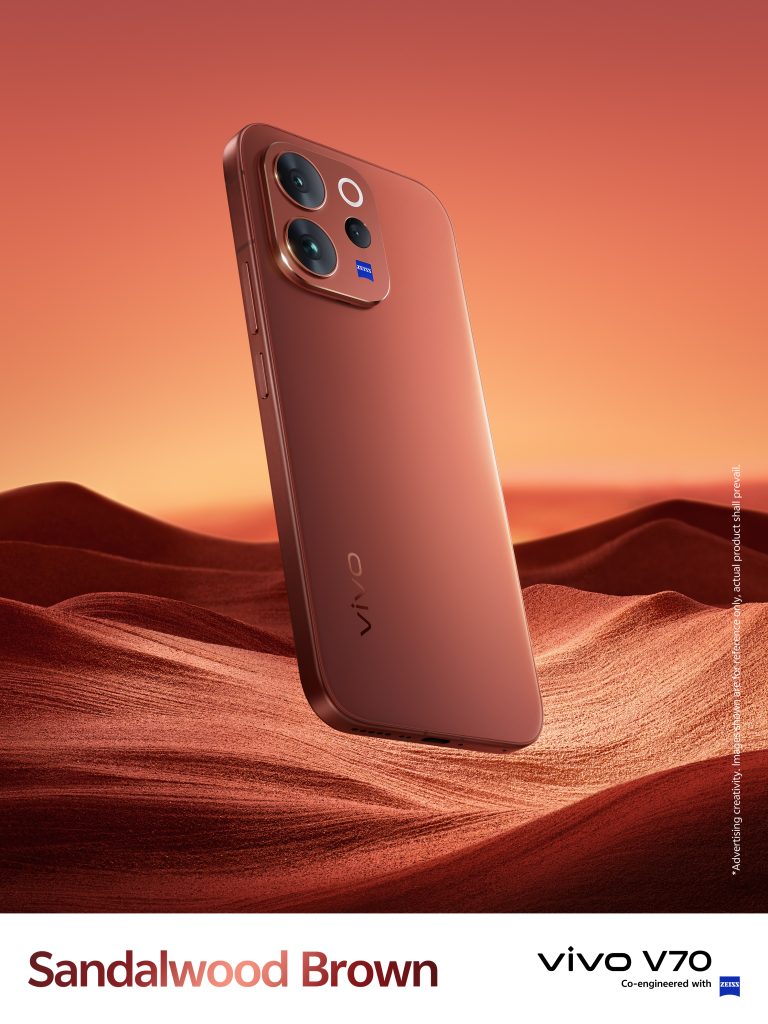
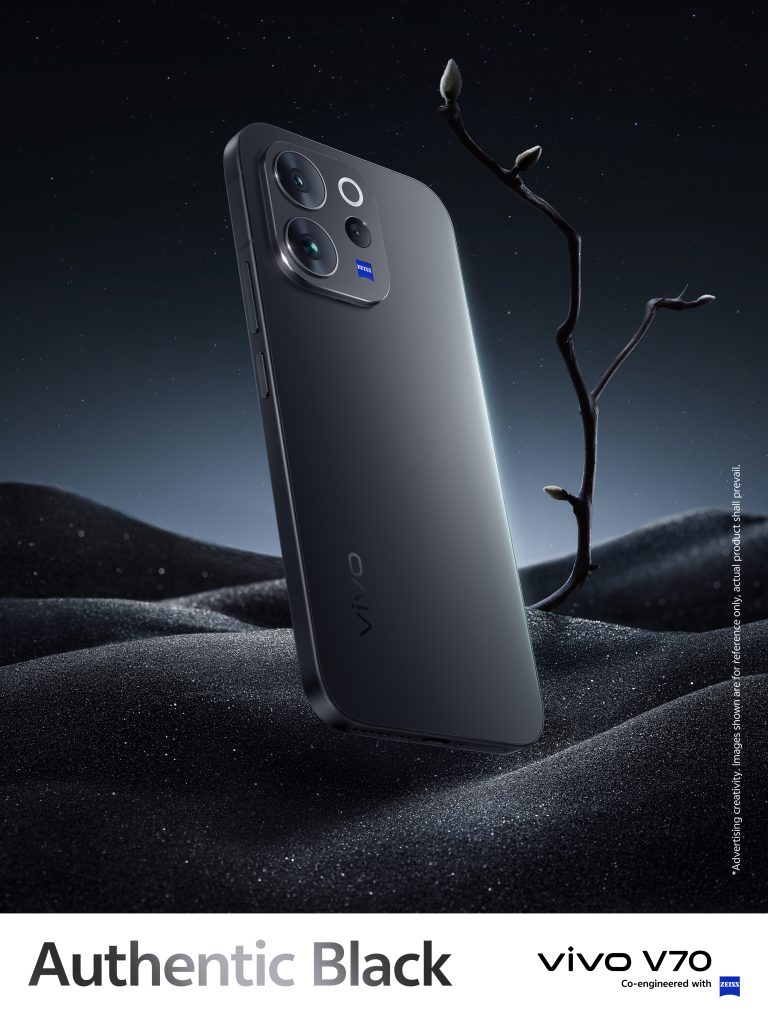
The design is the second story. vivo’s used an aerospace-grade aluminium alloy frame with a 360MPa yield strength, ultra-thin side bezels measuring 1.25mm, and a flat screen with rounded corners that gives the phone a premium presence the V series hasn’t always managed. The 6.59-inch 1.5K AMOLED panel runs at 120Hz with 459 PPI and a 5000-nit peak brightness, which is a strong panel for the class. The new Sandalwood Brown colourway, produced through a chemical etching process on the back glass that creates micron-scale texture, is genuinely attractive. The phone also comes in Authentic Black, which uses a glassfibre back and comes in at 187g compared to 194g for the glass-backed colours.

Under the hood, the Snapdragon 7 Gen 4 runs on a 4nm process with 12GB of LPDDR5X RAM and 512GB of UFS 4.1 storage. It ships with Android 16 under OriginOS 6, and vivo’s committing to four generations of OS upgrades and six years of security patches. The 6500mAh BlueVolt battery supports 90W FlashCharge, there’s a 4200mm vapour chamber for thermal management, and the phone holds IP68 and IP69 ratings plus 10-facet drop resistance tested to 1.8 metres.
OriginOS 6 introduces Origin Island, a dynamic capsule at the top of the screen that surfaces contextual shortcuts and notifications. It’s a familiar concept at this point, but vivo’s implementation adds features like Copy and Go and Drag and Go that recognise what you’ve just copied and suggest relevant actions without you having to hunt for an app. Cross-device features include One-Tap Transfer for sharing files between vivo phones and select iPhones, and vivo Office Kit for workflow handoff between the phone and a Windows or macOS machine. Gemini Assistant is on board for conversational AI, though several AI Search features are region-locked to Southeast Asian markets and won’t be available locally.
Concert zoom photography has been a fixture of smartphone marketing since Samsung’s Galaxy S-series made periscope telephoto a flagship calling card, and HONOR’s Magic range and Apple’s iPhone Pro lineup have followed the same playbook ever since. vivo’s AI Stage Mode is less a differentiator than a catch-up play dressed in its own branding. The more useful question isn’t whether the V70 can do this. It’s whether a mid-range device built around a Snapdragon 7 Gen 4 and a 1/1.95-inch periscope sensor can close the gap meaningfully on flagships doing the same thing for considerably more money. At this price point, vivo isn’t competing with the S26 Ultra. It’s competing with whatever else a South African buyer can get for the same outlay, and that’s a more winnable fight.
The V70 is available in South Africa now in Authentic Black and Sandalwood Brown, with dual 5G SIM slots and eSIM support. Local pricing hadn’t been confirmed at the time of publication.