
For years, the mobile industry measured imaging progress through a relentless hardware arms race. Pixels were stacked upon megapixels, camera bumps grew progressively larger, and optical zoom numbers were brandished like trophies. Yet, despite giant leaps in physical optics and sensor dimensions, mobile photography eventually hit a predictable wall: a small, hand-held device can only hold so much glass before it ceases to function as a phone.
The news that HONOR has partnered with legendary cinema camera manufacturer ARRI, integrating ARRI LogC3, ARRI Wide Gamut 3, and ARRI Looks into its mobile platform, signals a decisive shift in how tech manufacturers approach mobile creation. Mobile imaging is no longer competing on hardware specifications alone; it is competing on workflow, color science, and cinematic intent.
Moving Beyond the Pixel Trap
Mobile imaging has spent a decade trapped in specification-led marketing. Every flagship launch brought predictable charts: larger sensors, brighter apertures, and synthetic benchmarks. While these hardware improvements provided a vital baseline, they ultimately exposed a fundamental flaw in the industry’s direction. Raw hardware parameters do not automatically translate to emotional, storytelling capabilities.
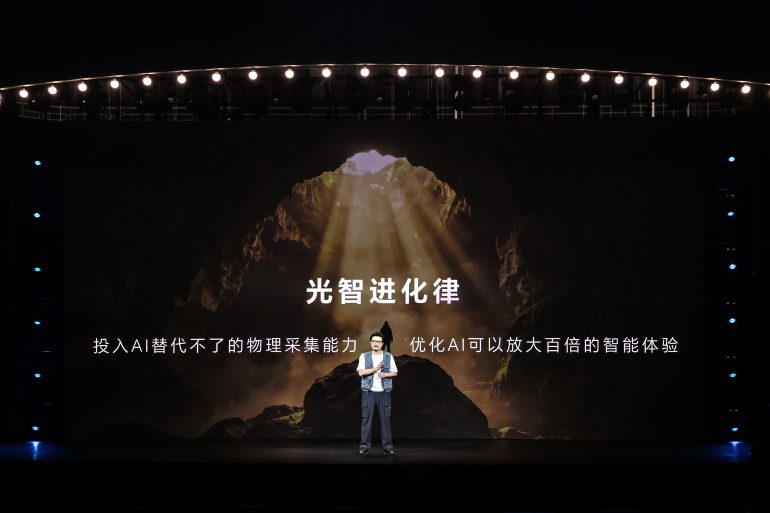
Instead of attempting to out-engineer physics with increasingly massive lenses, HONOR’s strategy relies on what it terms the “Optics-Intelligence Evolution”. The concept acknowledges a basic truth: physical optics establish the floor of image quality, but intelligent software and ecosystem integration raise the ceiling.
+-----------------------------------------------------------------------+
|                     OPTICS-INTELLIGENCE EVOLUTION                     |
+-----------------------------------------------------------------------+
|  CLOUD    | RAW-domain enhancement & AI spatial tools                 |
|  DEVICE   | Real-time algorithms & hardware stabilization (Gimbal)   |
|  CHIP     | Native AI ISP, next-gen pixel arrays & EVS sensors        |
+-----------------------------------------------------------------------+
|  FOUNDATION: Physical Optics  |  CEILING: AI & Ecosystem Workflows    |
+-----------------------------------------------------------------------+
By connecting physical hardware, on-device algorithms (including a native AI ISP and a three-axis titanium alloy gimbal), and cloud-based enhancement tools, the camera is treated as an integrated system rather than a collection of standalone components.
Bringing Cinema Science to the Pocket
The collaboration with ARRI represents something far more significant than a co-branding badge or a suite of stylised filters. Filters merely destroy dynamic range to force a generic aesthetic; professional cinema workflows preserve data so creators retain full creative control.
┌───────────────────────────────────────────────────────────────────────┐
│                      ARRI INTEGRATION IN MOBILE                       │
├───────────────────┬───────────────────────────────────────────────────┤
│ ARRI LogC3        │ Preserves maximum dynamic range and highlight     │
│                   │ information for flexible post-production.         │
├───────────────────┼───────────────────────────────────────────────────┤
│ ARRI Wide Gamut 3 │ Expands the captured color space to mirror        │
│                   │ professional cinema standards.                    │
├───────────────────┼───────────────────────────────────────────────────┤
│ ARRI Looks        │ Applies controlled, standardized visual styles    │
│                   │ without degrading underlying image data.          │
└───────────────────┴───────────────────────────────────────────────────┘
When cinematographers evaluate digital cameras, color consistency and post-production flexibility are far more critical than raw resolution. Bringing LogC3 and ARRI Wide Gamut 3 to a mobile footprint bridges the gap between consumer video recording and standardised cinematic pipelines. It allows footage shot on a compact mobile device to sit alongside professional camera packages without breaking tone, palette, or dynamic balance.
“What impressed me is not only the image quality, but also how a compact mobile device can enter spaces that traditional camera setups cannot. This gives creators more freedom in camera movement and helps reduce the burden of production while expanding creative possibilities.”
— Wang Boxue, Cinematographer
What This Shift Reveals About Consumer Creation
The democratization of video capture has altered consumer expectations. Social platforms and independent digital production have made millions of users video-first creators, yet the tools available to them have remained fragmented. Consumers have routinely been forced to choose between the extreme convenience of point-and-shoot smartphone algorithms or the steep complexity of professional cinema gear.
TRADITIONAL MOBILE CAMERAS             HOLLYWOOD WORKFLOW APPROACH
┌─────────────────────────────┐        ┌─────────────────────────────┐
│  • Heavily processed contrast│        │  • High dynamic range capture│
│  • Over-sharpened detail    │   VS   │  • Flat Log profile (LogC3) │
│  • Baked-in color profiles  │        │  • Flexible post-production │
│  • Spec-sheet focus         │        │  • Intentional color science│
└─────────────────────────────┘        └─────────────────────────────┘
By embedding cinema-grade color science directly into the device, hardware manufacturers are acknowledging that mobile creators no longer just want sharper images. They want intentional images. Lowering the technical barrier to true post-production workflows gives independent storytellers access to visual control that was previously gated behind multi-thousand-dollar cinema rigs.
The South African Context: High-End Production on a Lean Budget
For South Africa’s vibrant film, advertising, and digital content creation industries, the migration of professional workflows to mobile form factors carries distinct economic and logistical implications:
- Lowering Capital Entry Barriers: Independent filmmakers and local content agencies often operate under tight production budgets. Access to standardized cinematic color spaces on mobile devices allows small crews to achieve high production value without renting expensive camera packages.
- Agile Location Shooting: From the dense urban environments of Johannesburg to remote terrain across the Western Cape, mobile form factors equipped with physical stabilization and professional color profiles allow lean crews to capture high-grade footage in spaces where large camera setups are impractical.
- Streamlining Post-Production Pipelines: Local boutique production houses utilizing established ARRI post-production workflows can integrate mobile secondary camera footage seamlessly into their existing color-grading pipelines, reducing time and rendering overhead.
The Broader Shift in Personal Technology
The convergence of AI-driven chip processing and century-old cinema color science marks an inflection point for consumer hardware. We are moving past the era where smartphone cameras are judged by the size of their specs.
The future of mobile creation belongs to devices that respect the user’s creative intent, transforming the smartphone from a simple point-and-shoot capture tool into a legitimate, professional cinema instrument.