
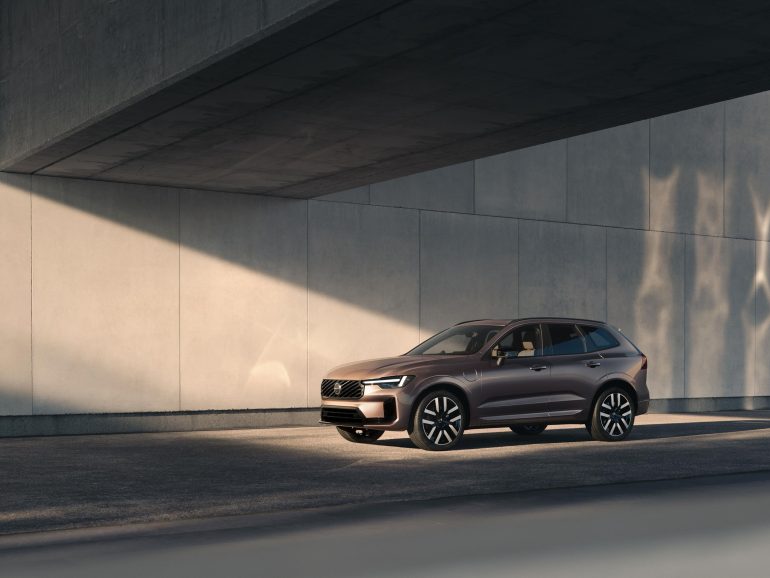
Volvo is giving two of its most important SUVs considerably more electric range. New long-range plug-in hybrid versions of the XC60 and XC90 are expected to arrive in South Africa during the first half of 2027, with claimed electric ranges that move them well beyond what we’ve become used to from plug-in hybrids.
The XC60 can travel up to 200km on electric power on a single charge, while the larger XC90 manages up to 160km. Both figures are preliminary and based on the WLTP testing cycle, so actual range will vary depending on temperature, speed, driving style and the specification of the car.
Volvo says that’s more than two-and-a-half times the electric range of the existing plug-in hybrid versions. The increase comes from a larger battery integrated into the floor and a more powerful electric motor, while the petrol engine remains available when the battery runs low or when a longer trip makes stopping to charge inconvenient.
Those numbers make the new models particularly interesting in South Africa. Battery-electric cars have become considerably more capable, and the local EV market has changed substantially over the past few years, but a plug-in hybrid still removes much of the anxiety around charging on longer journeys.
At 160km to 200km of claimed electric range, though, the role of the petrol engine starts to shrink considerably. Someone with access to home charging could potentially handle most of their everyday driving electrically and leave the engine for longer trips.
Volvo will continue offering mild-hybrid versions of both SUVs alongside the new plug-in hybrids.
The XC60 gets more than a bigger battery
The XC60 is getting the more substantial update of the two. Volvo has redesigned its grille, front bumper, bonnet and front wings, added new wheel designs and reworked the familiar Thor’s Hammer Matrix LED headlights.
The rear has been changed too, including the tailgate, LED lights and bumper, with the revised design placing more emphasis on horizontal lines.
Inside, there’s a redesigned dashboard and new door panels, along with updated trim and material options including Cardamom ventilated Nappa leather. An 11.2-inch centre display runs Volvo’s latest infotainment interface.
Volvo has also upgraded the cameras, radars and other sensors used by the XC60’s safety and driver-assistance systems. Automatic emergency braking and emergency steering can intervene when the car detects a possible collision, while lane-change assistance and a 360-degree camera with a 3D view are among the other available features.
Google Gemini is being integrated into the car too. Volvo says drivers will be able to use more natural language to plan journeys, find places to stop and manage messages while driving, rather than relying on the more rigid command structures associated with older in-car voice assistants.
The XC90 changes less
The XC90 isn’t getting the same extensive redesign, having already received more recent design and technology updates. This time, the big change is the new plug-in hybrid system and the increase to as much as 160km of electric range.
Gemini is coming to the XC90 as well, while equipment such as the optional Bowers & Wilkins sound system remains available. Both SUVs will also receive over-the-air software updates, allowing compatible features to be updated after the cars have been delivered.
The long-range plug-in hybrids also show how Volvo’s electrification strategy has shifted. The company previously planned to sell only fully electric cars by 2030, but has since given plug-in hybrids a longer life as buyers in different markets move away from combustion engines at very different speeds.
Orders for the new XC60 and XC90, including Black Edition versions, are opening first in selected international markets, with production beginning later this year.
South Africa is expected to get the new models during the first half of 2027. Volvo hasn’t announced local pricing, final specifications or a more specific launch date yet, but moving from the relatively short electric ranges traditionally associated with plug-in hybrids to as much as 200km changes what these cars can realistically do without petrol.