
Apple’s lagged behind Amazon and Google in the smart home for years, even as those companies built huge ecosystems around Alexa and Google Assistant. Today, it’s trying to change that with Apple Home Collection, a new range of cameras, a video doorbell, a smart deadbolt, climate sensors and thermostats made with LG Electronics and Schneider Electric.
The collection is Apple’s answer to a familiar problem: HomeKit has always had fewer first-party-style devices than Amazon’s or Google’s platforms. Matter has helped expand what works with Apple Home, but Apple’s now nudging the ecosystem along with hardware designed specifically for its own app and interface. These aren’t random third-party accessories either. They connect to Apple Home automatically, and you don’t need separate LG or Schneider accounts or extra apps to use them.
The cameras and doorbell
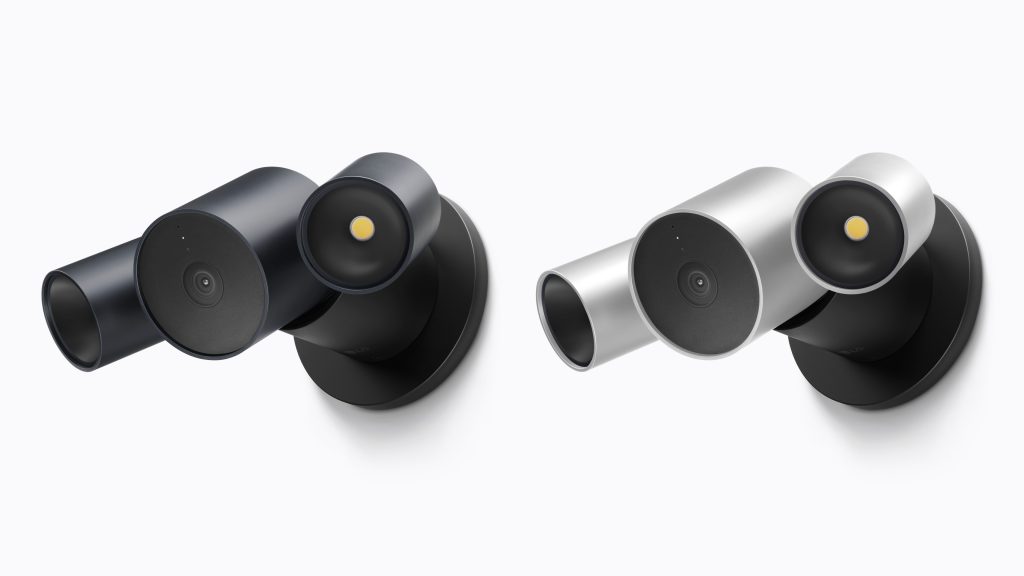
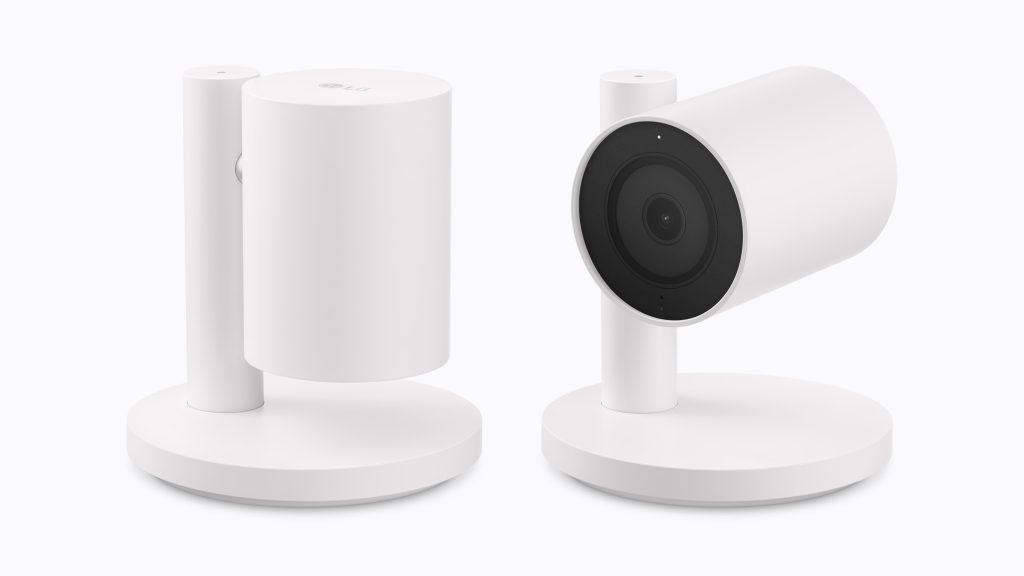
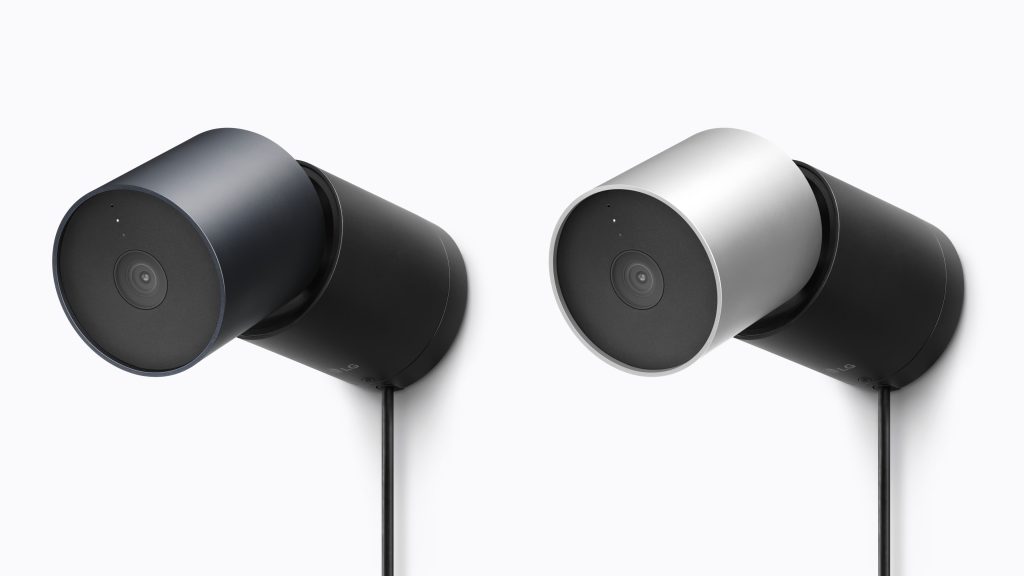
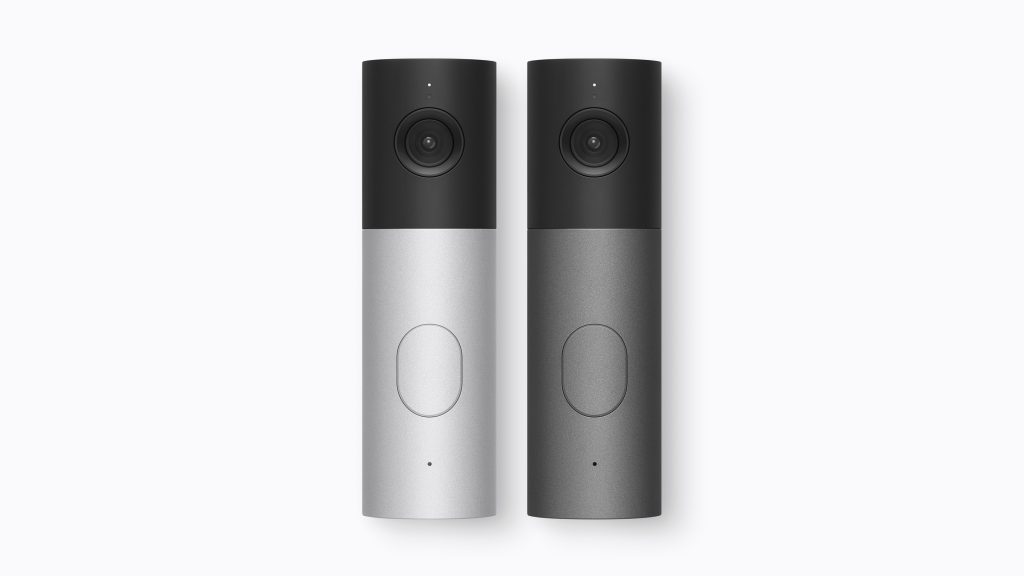
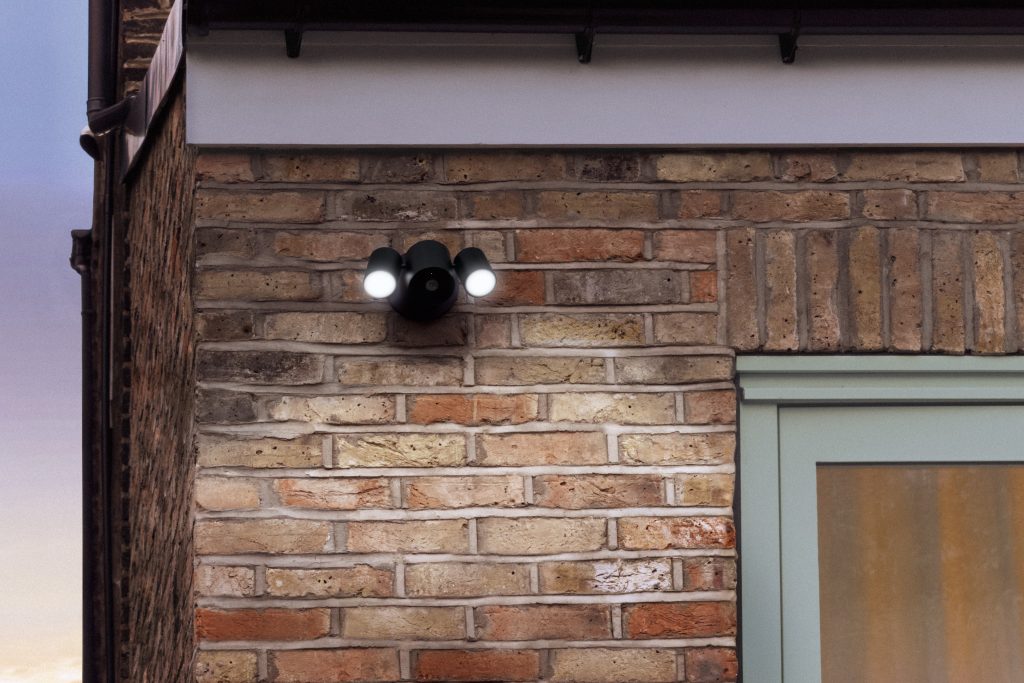
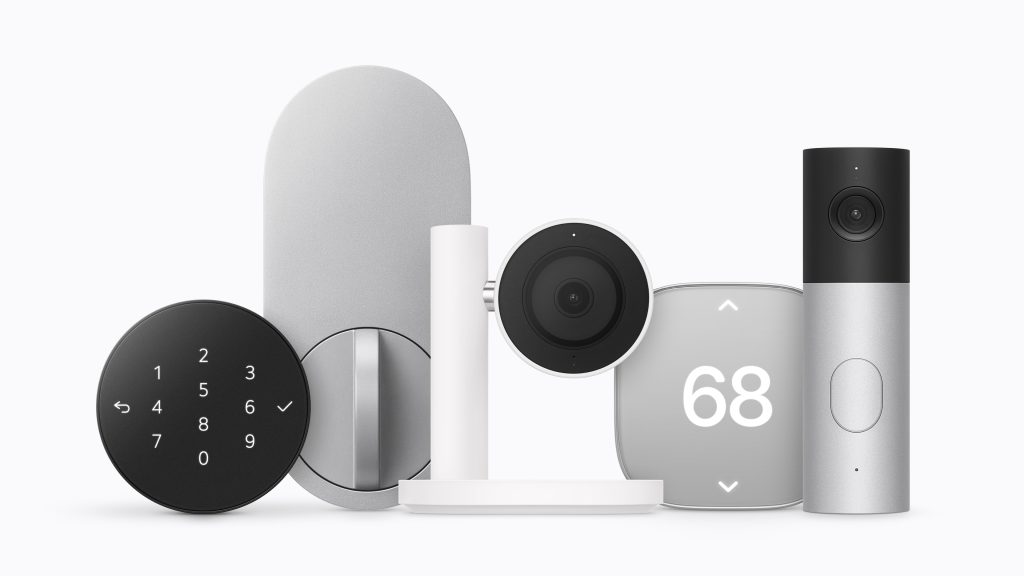
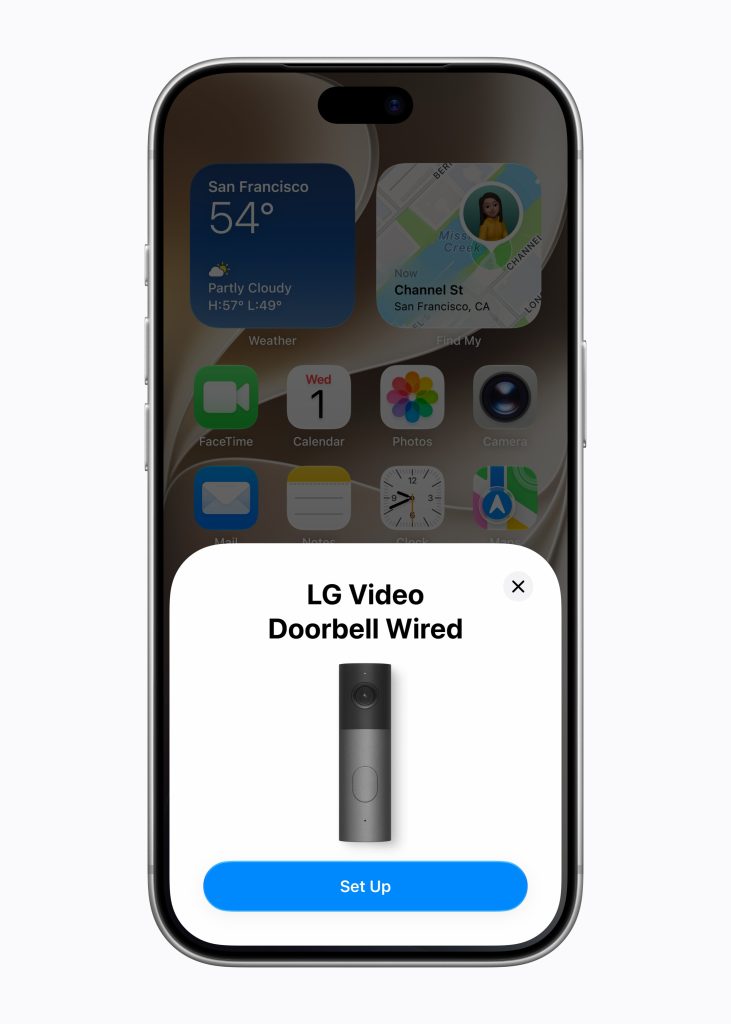
LG’s supplying the security hardware, and it’s a reasonably complete set. There’s a $200 indoor camera, a $300 outdoor camera, a $250 video doorbell and a $400 floodlight version of the outdoor camera.
The doorbell’s the most interesting because it has two cameras: one looks at whoever’s at the door, while the other watches for parcels left outside. The indoor camera tilts downward when it detects that you’re home, which gives you a bit more privacy, although WIRED notes there’s no physical shutter to block the lens completely. The outdoor camera can recognise faces, pets and packages, then send descriptive alerts through an iCloud+ subscription.
That subscription point matters. Apple isn’t bundling unlimited cloud storage for free, so the cameras still carry an ongoing cost if you want the smarter notifications and video history. It’s a familiar Apple approach, but it’s worth knowing before you compare the range with cheaper Xiaomi or Aqara hardware.
The lock and thermostats
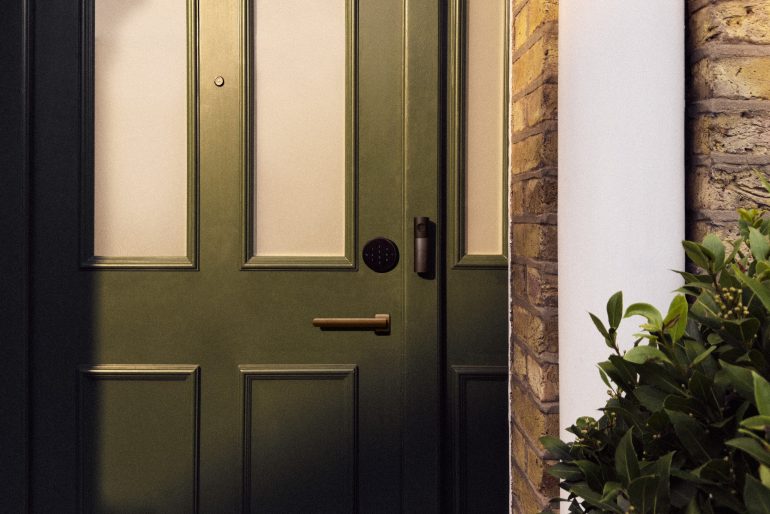
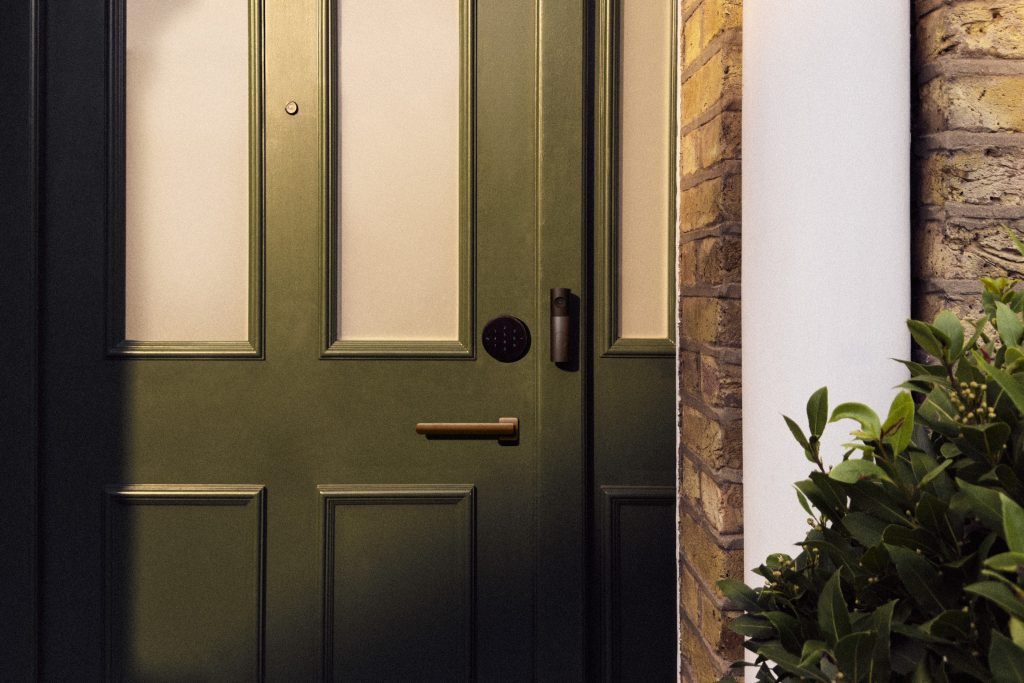
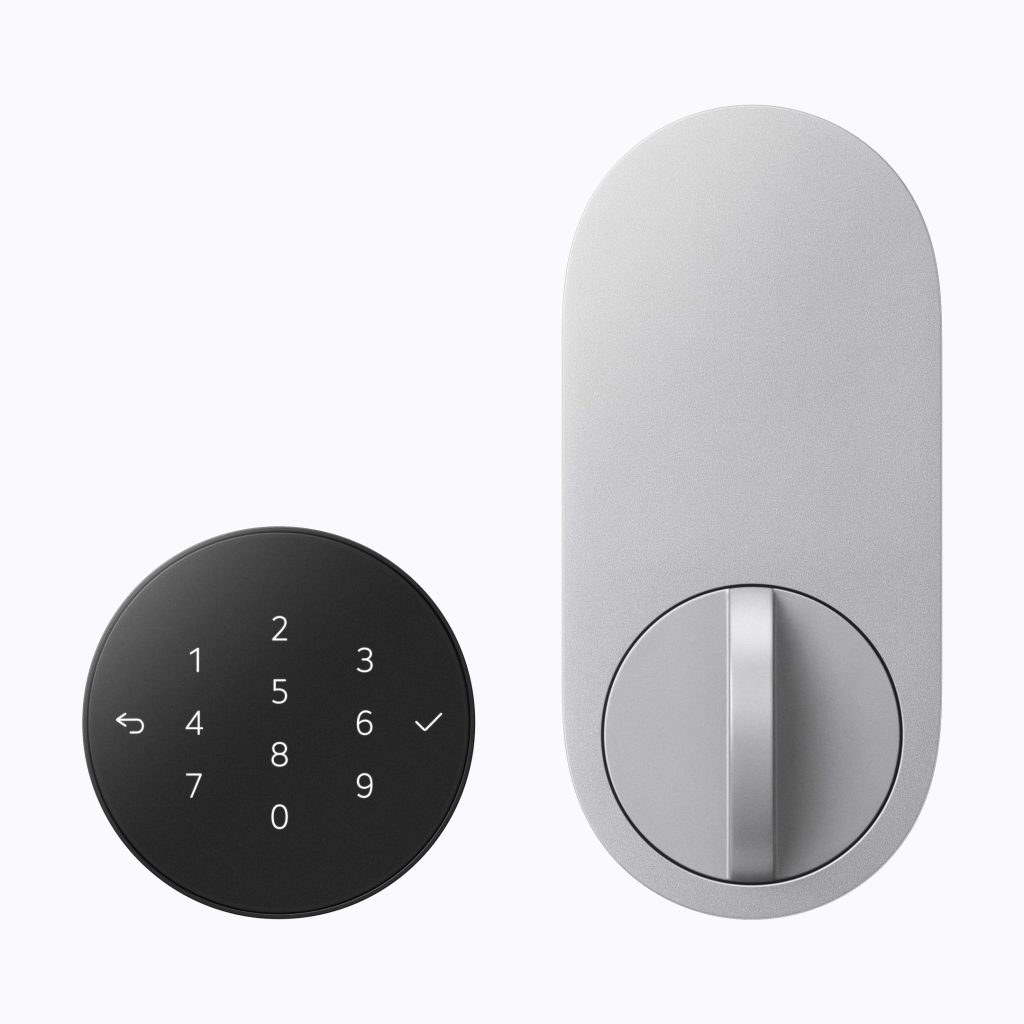
The $350 LG Smart Deadbolt is the most Apple-like product in the range. It can unlock automatically when it detects your iPhone or Apple Watch approaching, with a green light animation confirming that it’s opened. There’s also a PIN pad and a hidden backup key, and Matter and Aliro support means core unlocking should still work locally if your internet connection drops.
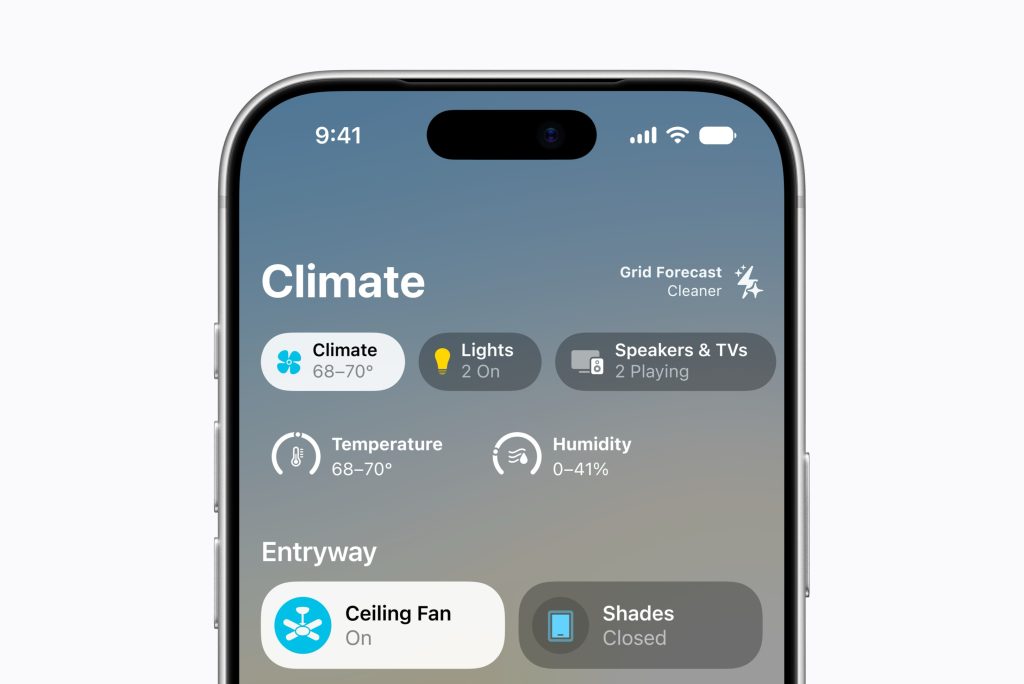
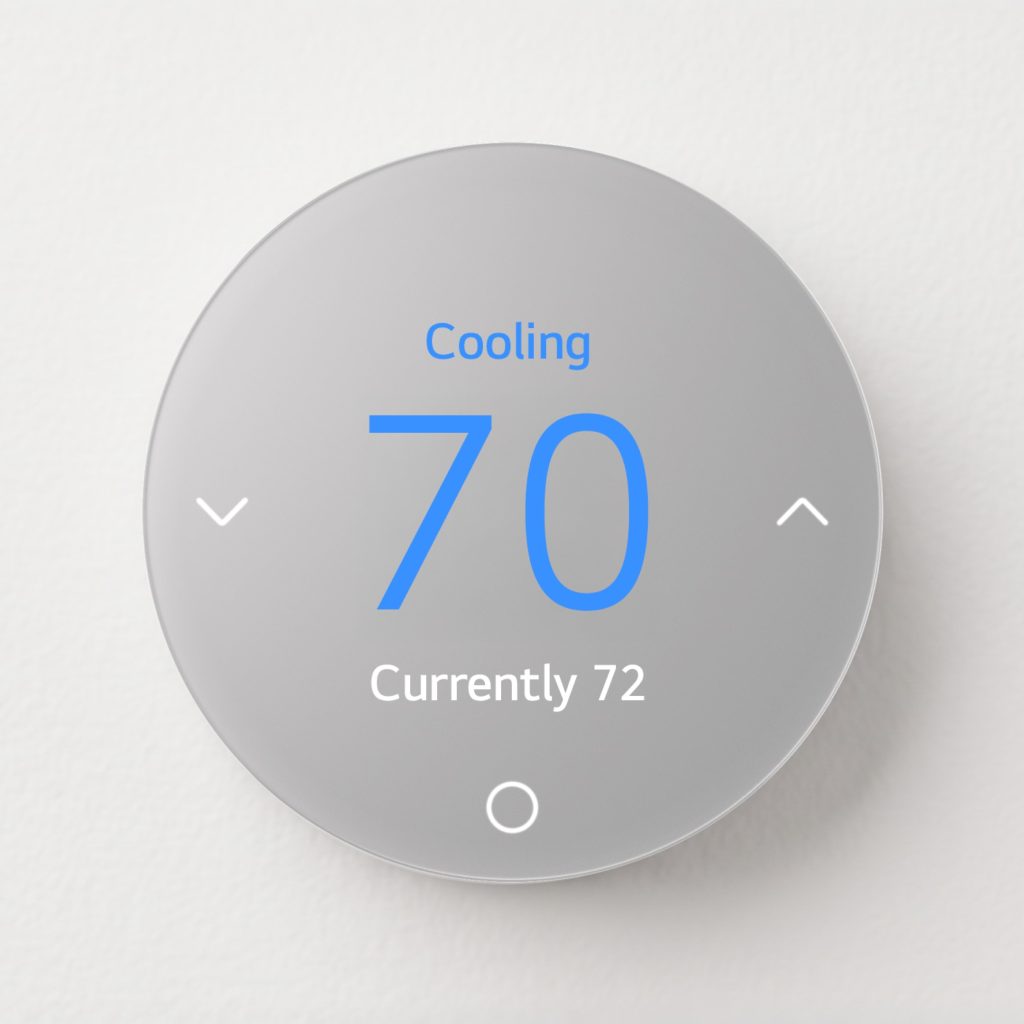
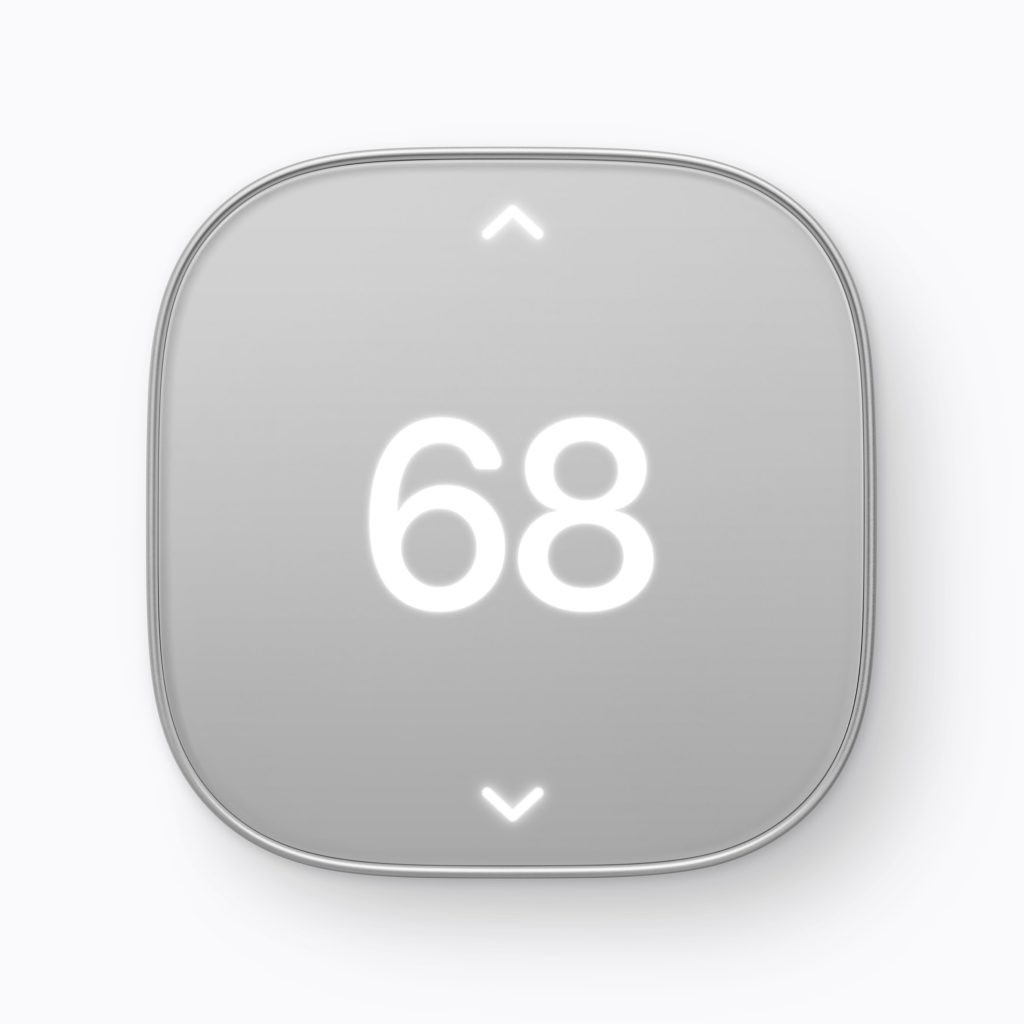
Schneider Electric handles the climate products, including a $200 Smart Thermostat and a $40 Room Sensor, while LG offers its own $200 thermostat and $40 temperature sensor. Apple’s Adaptive Temperature feature uses on-device intelligence from an iPhone to work out whether you’re home, asleep or away, then adjusts heating and cooling accordingly. The sensors can feed room-by-room readings into the system, and existing HomePod or HomeView devices can contribute too.
There’s an energy angle as well. In the contiguous United States, the thermostats can use Clean Energy Guidance to shift heating and cooling towards cleaner or cheaper periods for people on compatible utility plans. That won’t apply in South Africa for now, but it shows where Apple wants the Home app to go: fewer schedules to set and more automatic decisions based on occupancy, comfort and energy use.
Why LG and Schneider are sensible partners
LG and Schneider Electric aren’t arbitrary choices. LG’s been involved in smart home standards for years, sits on the Connectivity Standards Alliance board behind Matter, and has built ThinQ, its platform for controlling and automating compatible LG appliances and devices. It also has a Home Energy Platform that links storage, heat pumps and appliances, giving it experience in the less glamorous work of making a house’s devices talk to each other.
That energy platform isn’t available in South Africa, though, at least not as an officially supported local service. LG South Africa sells ThinQ-connected appliances, but there’s no local launch or support page for the broader Home Energy Platform, so South African readers shouldn’t assume they’ll get the same whole-home energy features.
Schneider Electric brings a different kind of expertise. The company knows electrical systems, automation and energy management, which is exactly what you want when building thermostats, room sensors and products that could eventually help manage a home’s power use. Pairing Apple’s software, privacy model and retail reach with companies that understand hardware, installation and energy feels like a sensible division of labour.
It’s also good news for the wider smart home industry because it puts more weight behind Matter and Thread. Those standards exist to stop every brand from building its own walled garden, and Apple’s using them across the new thermostats, sensors and lock rather than abandoning interoperability.
Apple’s wider smart home push
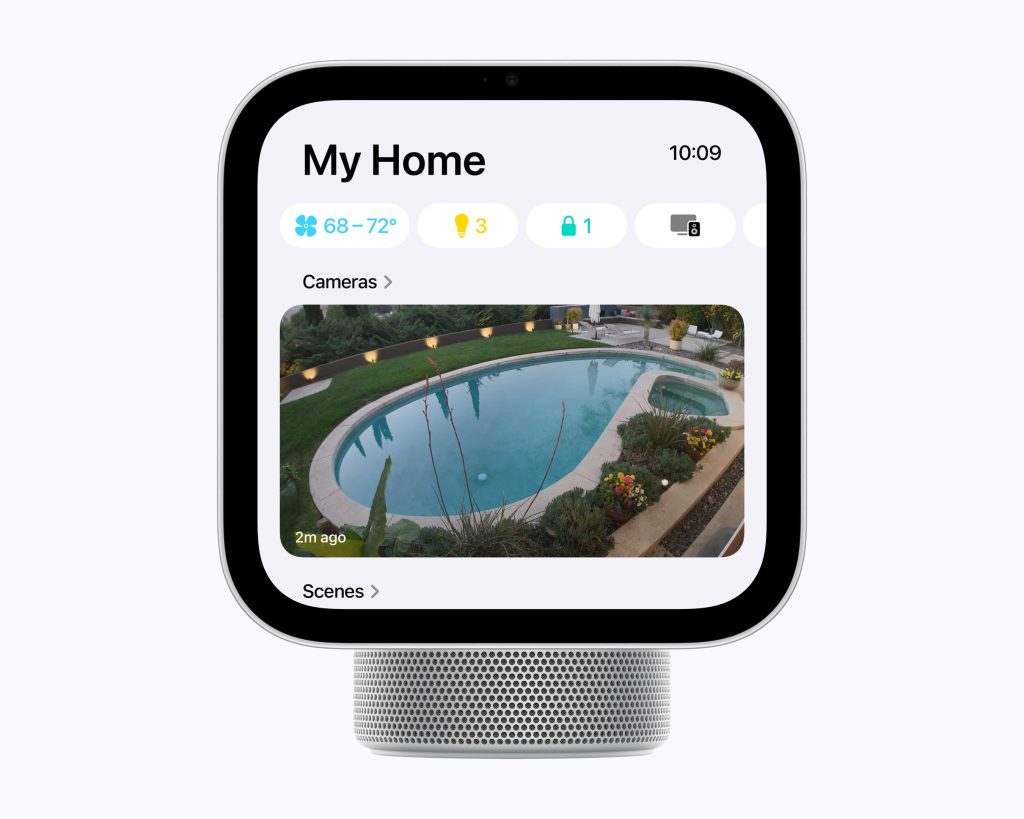
The Home Collection arrives alongside three products that make Apple’s broader smart home strategy more credible: the HomeView smart display, the HomePod Mini 2 and the fourth-generation Apple TV 4K. WIRED calls HomeView the cornerstone of the push, and it’s easy to see why: it gives Apple a physical surface for camera feeds, automations, messages and Siri AI in the home.
That combination is where Apple’s pitch starts to make sense. A doorbell notification can show up on the Apple TV, a chime can play through HomePod, and HomeView can display live camera feeds, all without opening a separate manufacturer app. Apple’s HomeView already showed Apple trying to make the smart home hub feel like something that belongs in a home rather than another screen competing for attention, and the Home Collection gives it far more hardware worth coordinating.
Apple’s also tackling the boring problems that make people abandon smart homes. Every Home Collection device supports Thread, which helps keep things connected when Wi-Fi misbehaves, and the accessories automatically update their network credentials if you change your home Wi-Fi, according to Apple’s announcement. Nobody buys a thermostat because of that, but it’s exactly the sort of thing that determines whether a smart home keeps working after a router upgrade.
What it means for Xiaomi and Samsung
Xiaomi has more to lose here than Samsung, mainly because its product range overlaps much more directly with what Apple’s announced. Xiaomi already sells cameras, sensors, lights, robot vacuums, air purifiers, smart locks and appliances, often at prices that make Apple’s hardware look expensive. Its strength has always been choice and value, but that doesn’t automatically translate into the same long-term reliability across every product category.
Aqara, Xiaomi’s separate smart home brand, has a strong reputation for compact, well-made sensors and long battery life, with many devices rated for around two years per battery. Its products also support Apple Home, Alexa, Google Home, IFTTT, Home Assistant and, increasingly, Matter and Thread, which makes them unusually flexible for a brand at this price point.
That reputation isn’t universal, though. User reports and reviews point to inconsistent quality control, occasional connectivity problems, inaccurate readings and some units failing earlier than expected. The same applies to Xiaomi’s broader ecosystem, where a cheap sensor can be a very different proposition from a robot vacuum, air fryer or other larger appliance, and long-term durability remains a legitimate concern for buyers comparing them with Apple’s more expensive, tightly controlled hardware.
Apple won’t beat Xiaomi on price. The LG Indoor Cam starts at $200, the Outdoor Cam at $300, the Video Doorbell at $250 and the Smart Deadbolt at $350, while both thermostats start at $200. What Apple’s selling instead is coherence: one privacy story, one setup process, local processing for sensitive camera footage and tight integration with iPhone, Apple Watch, HomePod, Apple TV and HomeView.
Samsung’s less directly exposed because its smart home strategy is built around SmartThings, appliances, TVs and a wider household ecosystem rather than a comparable Apple-branded accessory line. Even so, Samsung’s one of the major backers of Matter, and that standard exists precisely to prevent platforms from locking people in. Apple’s new hardware doesn’t abandon that openness, since the thermostats, sensors and lock support Matter, but it does give people a much stronger reason to start and stay inside Apple Home.
Availability
Apple Home Collection starts rolling out in December through Apple’s online store, Apple Store app and physical stores, with select accessories arriving in early 2027. The security cameras will launch in the UK, US and Canada, while the thermostats and door lock meet North American standards, so Apple’s selling those only in the US and Canada. That means there’s still no confirmation of South African availability for the Home Collection itself, even though HomeView is launching locally.