
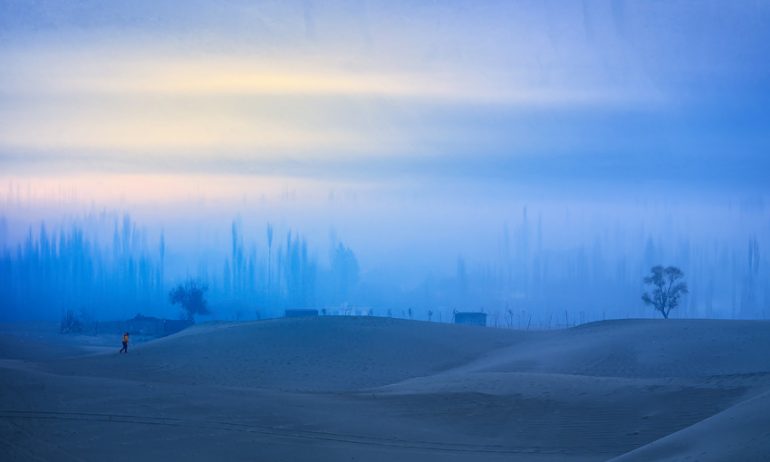
The Sony World Photography Awards 2026 winners have been announced, but the significance sits less in the names and more in what is being rewarded.
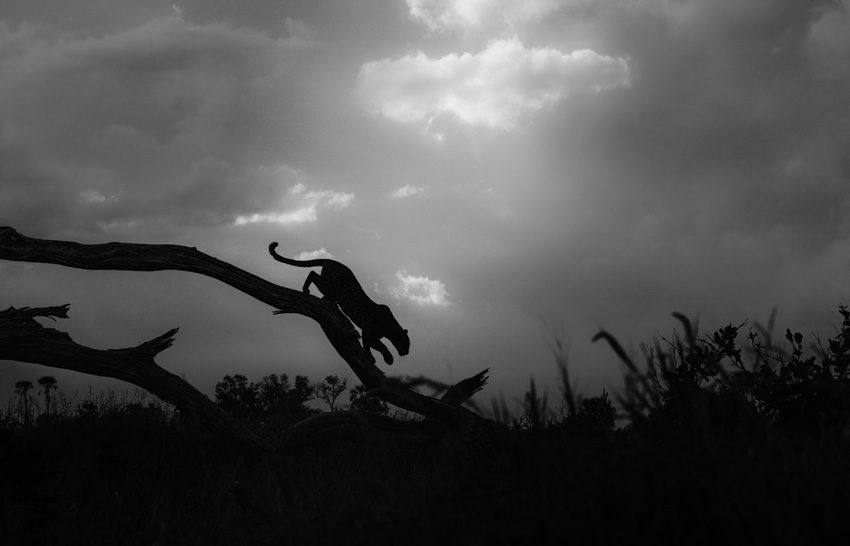
The latest results from the Sony World Photography Awards position this year as a celebration of global reach and storytelling. South African photographer Greg du Toit winning in the Natural World and Wildlife category is the local headline, but it is not the most interesting part of the story.
The claim
Sony and the World Photography Organisation frame the 2026 edition around scale and inclusion. More than 430,000 submissions, over 200 countries, and new additions like the India National Award and European Student Award.
The messaging is clear. This is positioned as a truly global platform, recognising photographers across career stages and regions.



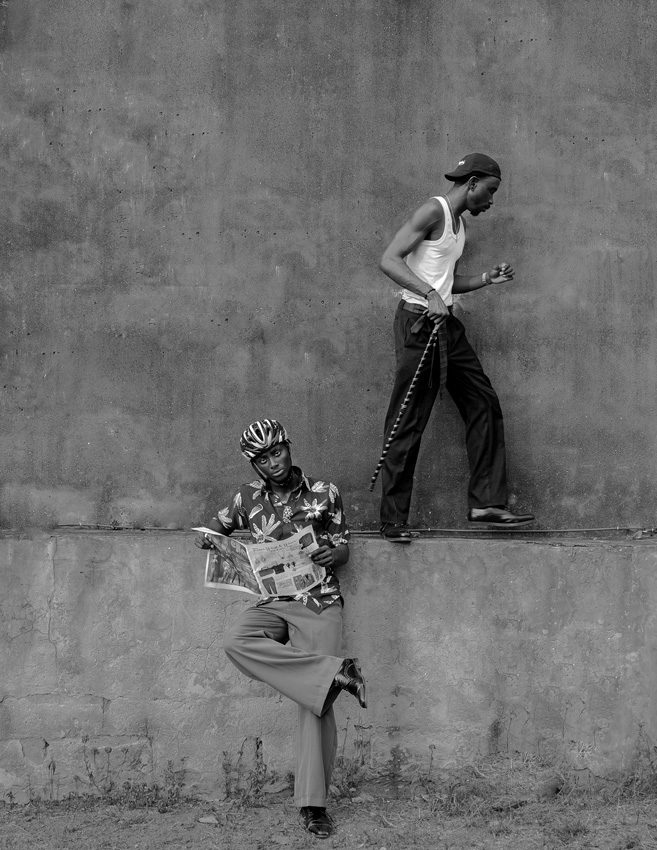
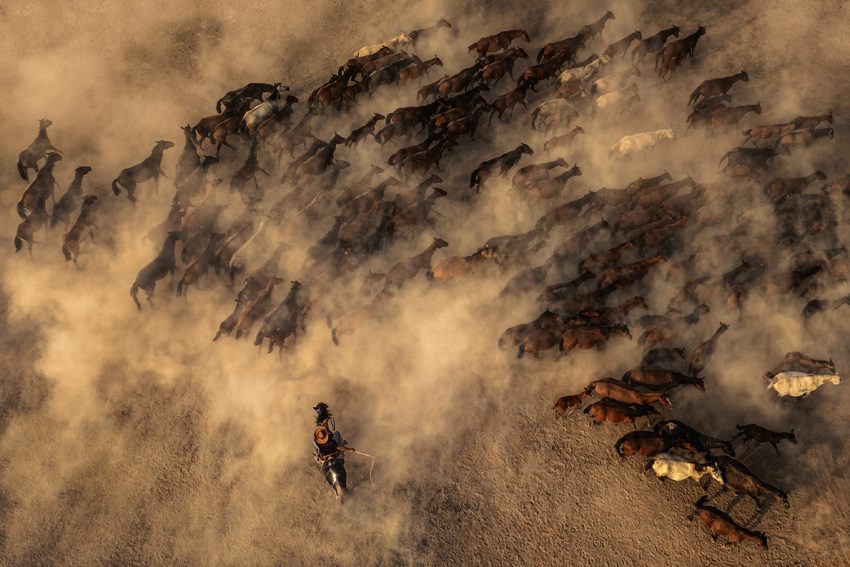
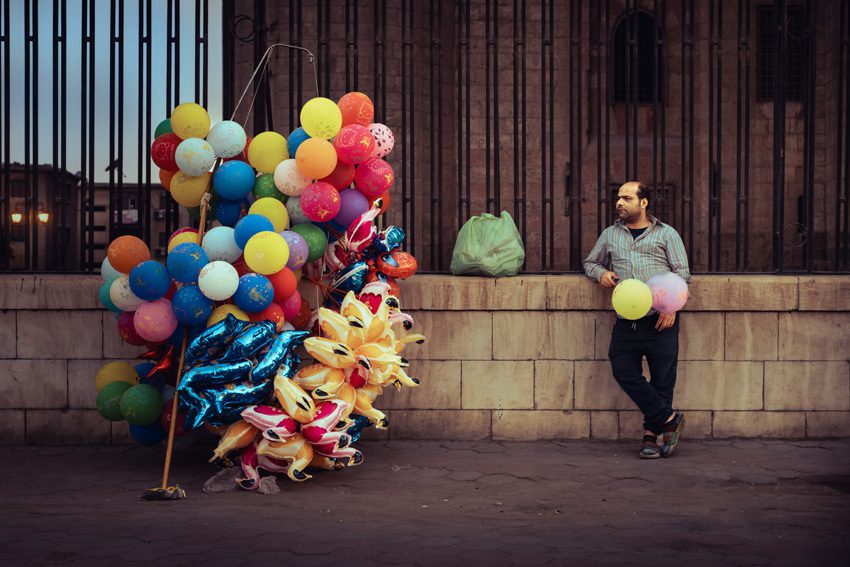
What actually matters
What stands out is the type of work being recognised.
Across categories, the winning and shortlisted projects lean heavily into:
- Personal narratives
- Cultural identity
- Environmental storytelling
Even the Open competition, historically focused on single striking images, is being framed as storytelling in one frame rather than visual impact alone.
That shift matters. It signals that recognition is moving away from purely technical excellence towards meaning and context.
Reality check
This is not a sudden change.
Previous editions have already moved in this direction. Coverage on Reframed, like this look at the Sony World Photography Awards 2022 winners, shows a similar emphasis on narrative-driven work and global representation.
What has changed is the framing. New regional and student awards expand the structure, but they also formalise markets that already exist. It is as much about positioning as it is about discovery.
Sony’s role remains consistent. Equipment, exposure, and ecosystem integration are still central to how the awards operate.
South African relevance
Greg du Toit’s win reinforces something South Africa already does well.
Wildlife photography continues to be one of the country’s strongest global exports, and recognition in that category follows an established pattern rather than signalling something new.
The more telling absence is elsewhere. There is limited visibility for urban African storytelling, emerging digital formats, or younger photographers working outside traditional genres.
That gap matters more than the win itself.
Grounded expectation
The Sony World Photography Awards 2026 winners reflect an industry refining its priorities rather than redefining them.
Narrative, identity, and global reach are now central. The question is not whether that continues, but whether the range of stories being recognised actually broadens.