
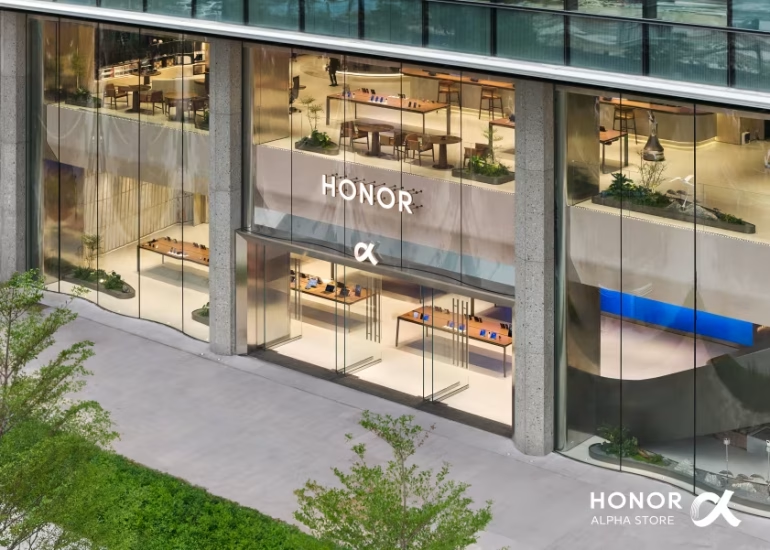
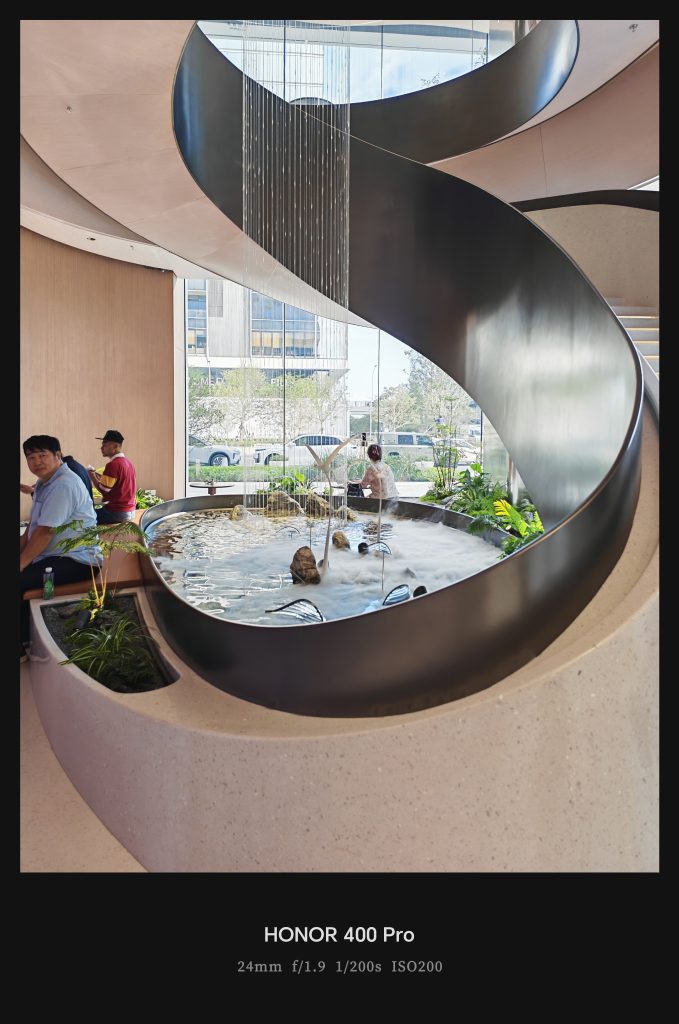
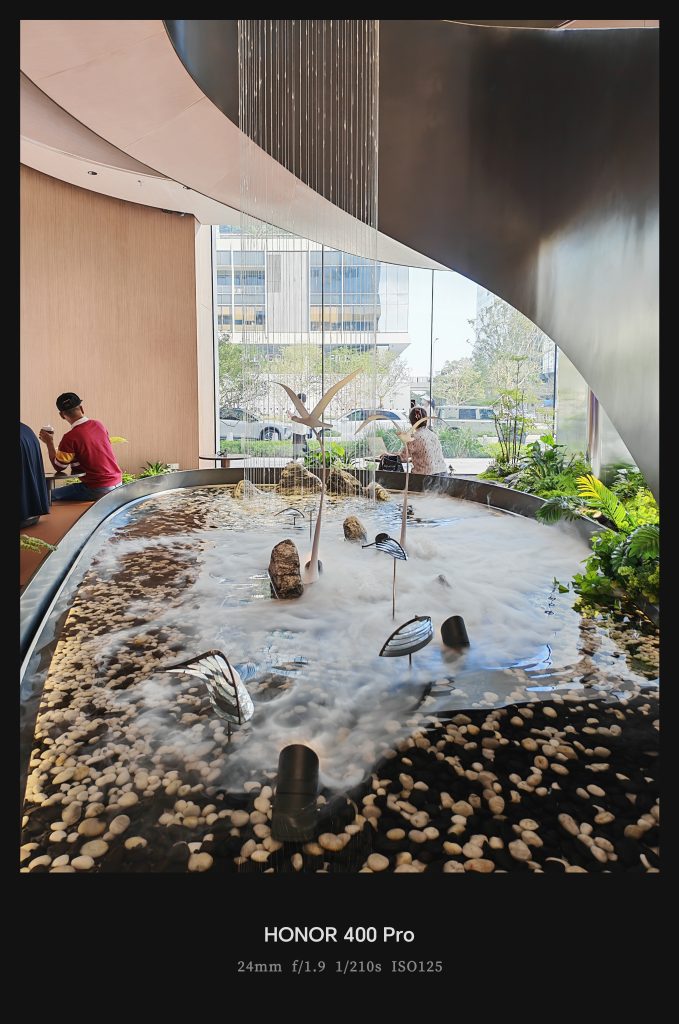
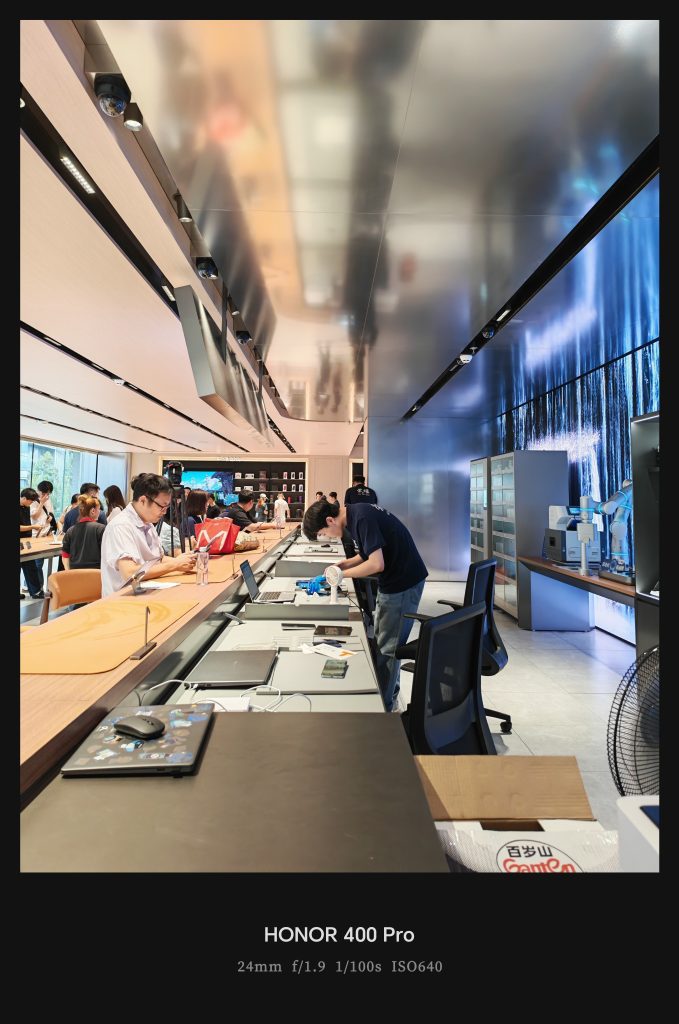
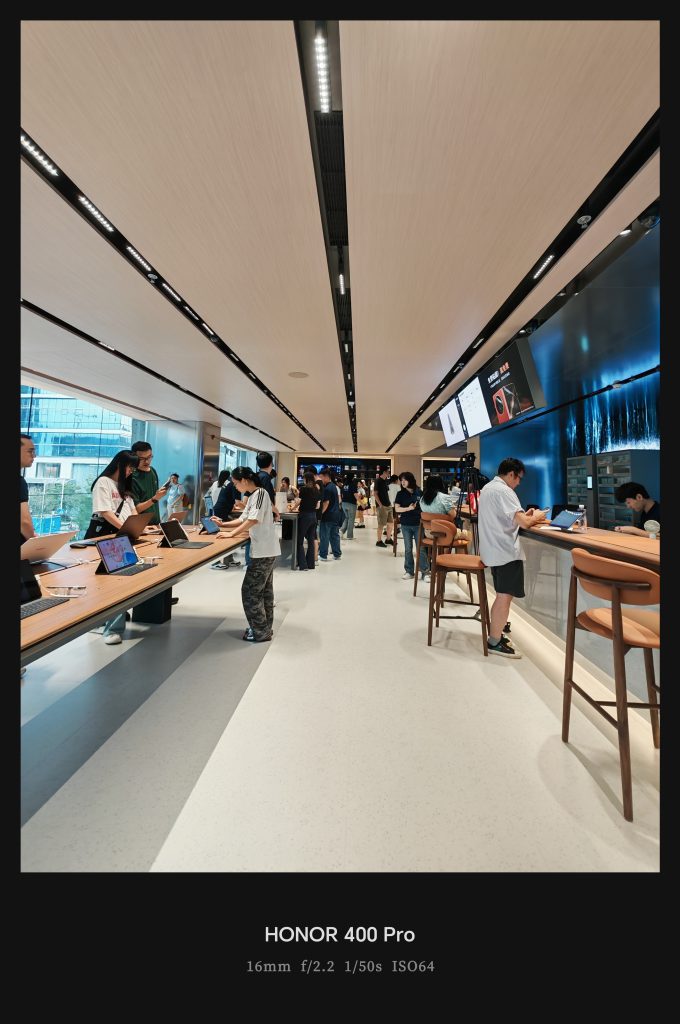
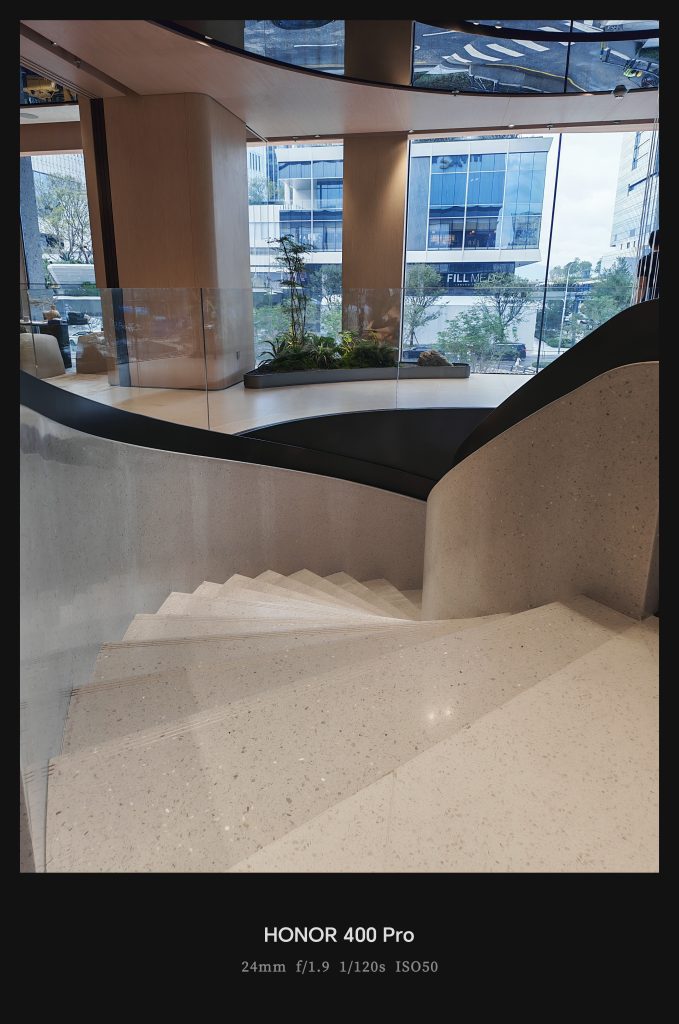
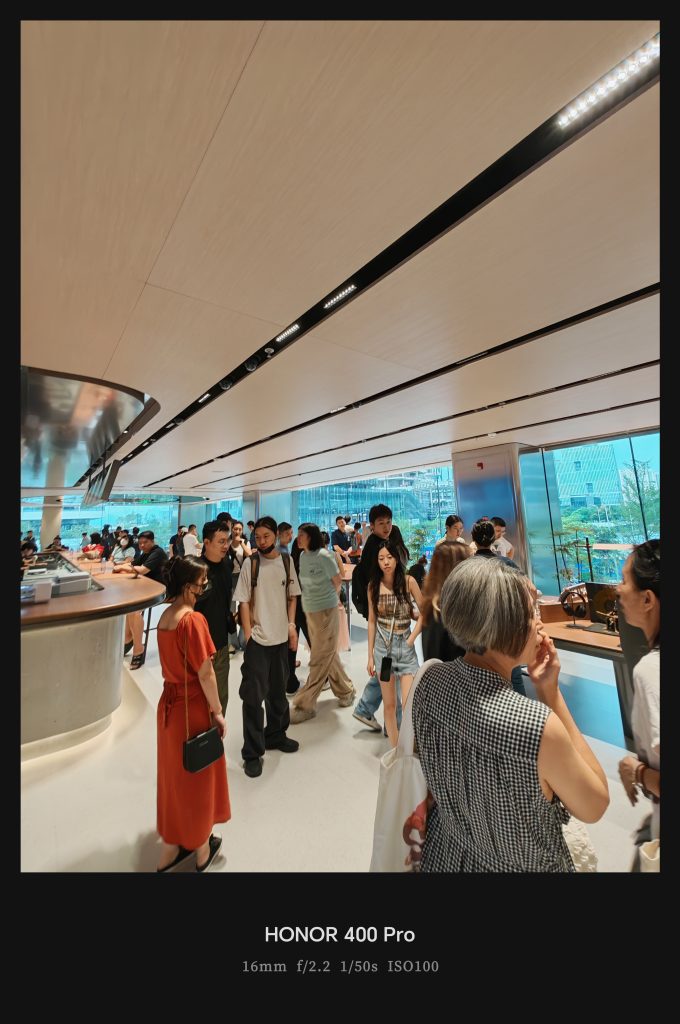
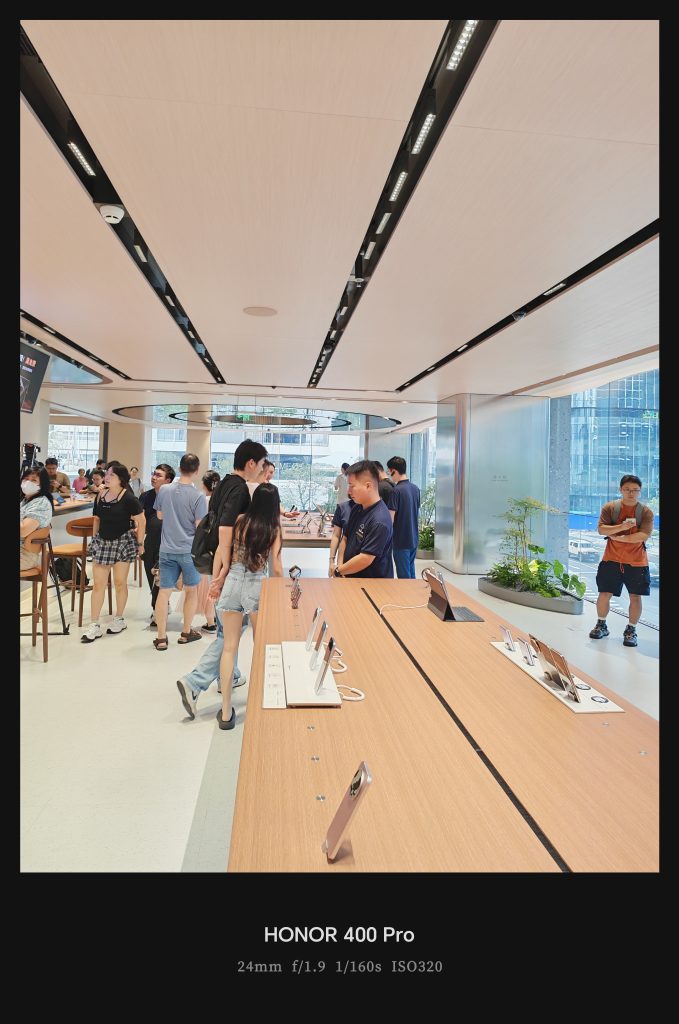
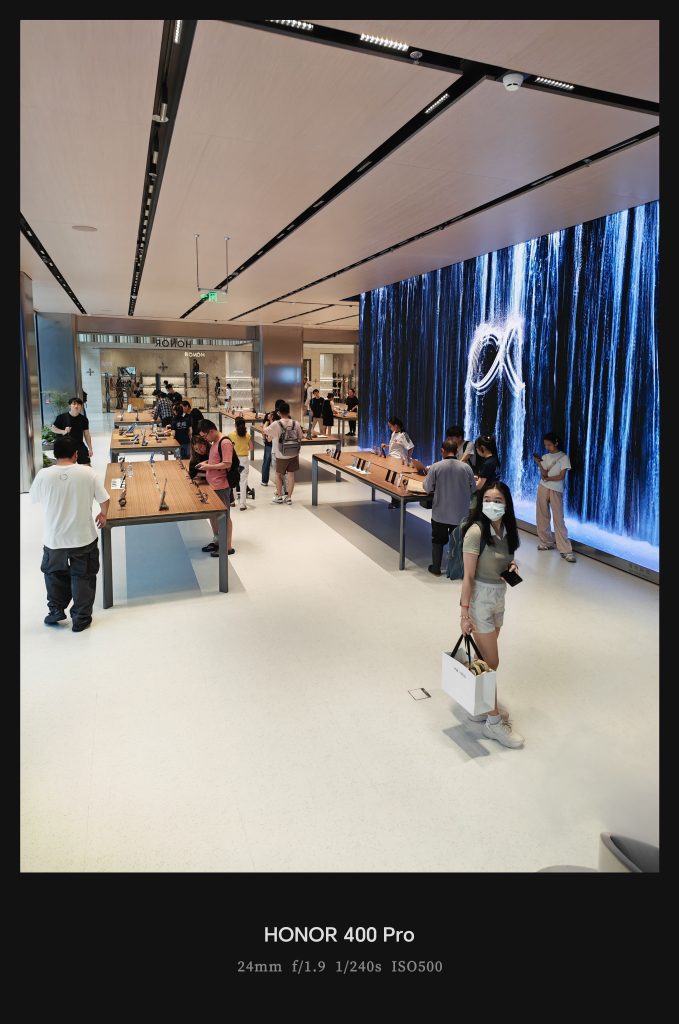
Walk into the new HONOR Alpha flagship store in Shenzhen Bay and you will see the familiar lineup of demo tables, but they don’t overwhelm the room. They sit like islands in a gallery, surrounded by soft lighting, curved architecture, and quiet zones that make you forget this is still retail.
There’s an AI Inspiration Café instead of a check-out counter, an art wall for creative performances, and a low electronic hum that feels closer to a design museum than a gadget shop.
This is retail rewritten as experience. The HONOR Alpha flagship store isn’t simply a place to test devices; it’s a physical argument for how the company believes artificial intelligence should feel: intuitive, calm, and quietly human.
From smartphone maker to AI storyteller
At Mobile World Congress earlier this year, HONOR unveiled its Alpha Plan, a strategy to evolve from smartphone manufacturer to what it calls a global AI device ecosystem brand. The Shenzhen store is the first tangible expression of that plan.
HONOR describes the site as an “AI Smart Living Innovation Hub”, a space that demonstrates how artificial intelligence can disappear into daily life. It marks a shift from product to philosophy, positioning AI not as something you use but as something you inhabit.
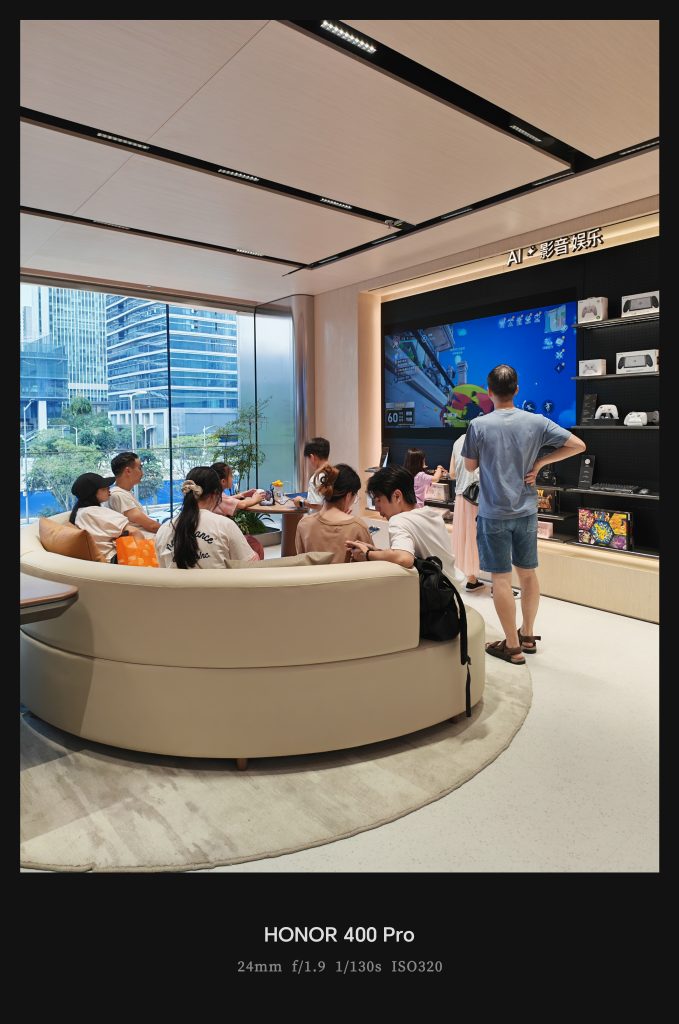
Devices are arranged by lifestyle scenario, such as travel, entertainment, or productivity, rather than by product line. You don’t browse phones here, you move through miniature futures, each showing how devices can collaborate to anticipate what you need before you notice it. HONOR isn’t trying to sell a handset; it’s trying to sell a mood of intelligent ease.
YOYO, the AI that remembers
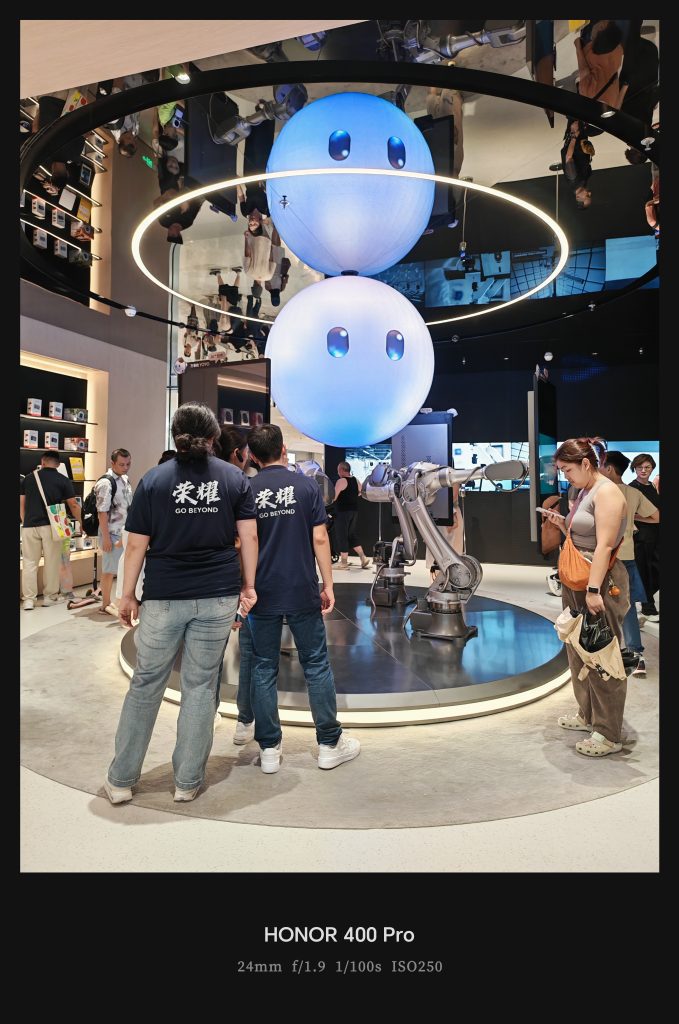
At the centre of this experiment is YOYO, HONOR’s evolving AI assistant, showcased in a dedicated zone that feels half science exhibit and half digital confidant. YOYO operates across four pillars: lifestyle, assistance, content creation, and companionship. What makes it distinctive is memory.
HONOR says YOYO can recall contextual details such as “I prefer a window seat” or “I like indie films”, and then apply that knowledge across devices and moments, from booking travel to recommending entertainment. That’s more than convenience; it’s an attempt to humanise machine intelligence through continuity.
It also raises the question that defines the next phase of consumer AI: are we ready for our devices to remember us not as data points but as personalities? The Alpha store treats that tension as a feature, not a flaw, an invitation to imagine AI as something that listens, learns, and perhaps even cares.
Design as soft power
The HONOR Alpha flagship store looks less like a tech outlet and more like an essay in architectural empathy, all curved surfaces, warm light, and slow acoustics. Every design cue whispers restraint, a way to humanise a technology that can otherwise feel cold or abstract.
That design is strategic. HONOR is using architecture as soft power, a way to make people trust AI by making it beautiful. The space reframes artificial intelligence as culture rather than code, a lifestyle that fuses creativity, curiosity, and calm.
Apple taught the world that design could sell a belief system. HONOR’s twist is that design can make intelligence itself seem friendly. The Shenzhen store turns ambient design into an argument for belonging.
The global ripple and South Africa’s part in it
HONOR has confirmed that it is exploring plans to open a physical store in South Africa, using the Alpha flagship store as its design and experiential blueprint. The aim is not to replicate Shenzhen exactly but to translate the concept, blending technology, art, and community in a local context.
Executives say it will take time to reach the same level of sophistication and breadth of offerings. Even so, the intention signals a long-term commitment to the region and a belief that South African consumers are ready for more than transactional retail.
If realised, the store could become a flagship for the continent, a physical space where AI, design, and human experience converge. It would also mark South Africa’s emergence as a testbed for global tech brands eager to redefine how people encounter innovation in the physical world.
Why it matters
The HONOR Alpha flagship store is more than just another retail opening. It’s a sign that the next frontier of the AI race will not be fought in cloud servers or app stores, but in spaces. The competition now is about who can make AI feel human, not merely look advanced.
By embedding intelligence into architecture, HONOR has shifted the conversation from performance to presence. It’s the quiet war of ambience, of lighting, of tone, because once AI stops being something you notice, it becomes something you live with.
The Shenzhen experiment also shows how retail is mutating into narrative: stores as stage sets for how companies want the world to imagine intelligence. Whether that’s visionary or manipulative depends on how comfortable you are with being choreographed by design.
Verdict
HONOR’s Alpha flagship isn’t just a store; it’s an argument made of glass and circuitry. It insists that AI belongs in our emotional vocabulary as much as in our technical one.
If the company succeeds in translating that philosophy to South Africa, the result could be a space that feels less like a showroom and more like a dialogue between brand and consumer, between machine and meaning.
Either way, HONOR has made something clear: the future of artificial intelligence will not be announced at a keynote. It will be experienced, one store at a time.