

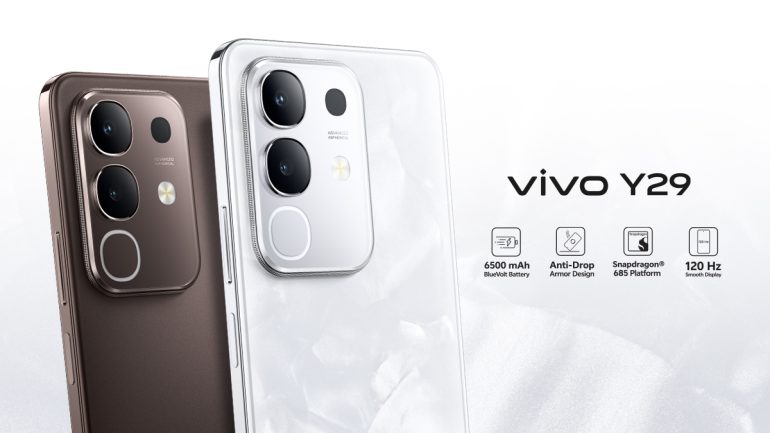
South Africa’s smartphone buyers are done with throwaway phones. And vivo knows it. The company just launched its latest Y Series lineup – the Y29, Y19s Pro, and Y04 – with one message: budget doesn’t have to mean fragile. These phones come bundled with something vivo is calling the “7-Star Quality Promise”, and it’s not shy about the marketing. Military-grade drop tests. Five-year battery health. One-time accidental repairs. That’s a lot of promises for phones that start at under R3 000.
So the real question is: can you actually trust it?
The specs are solid. The promises are louder.
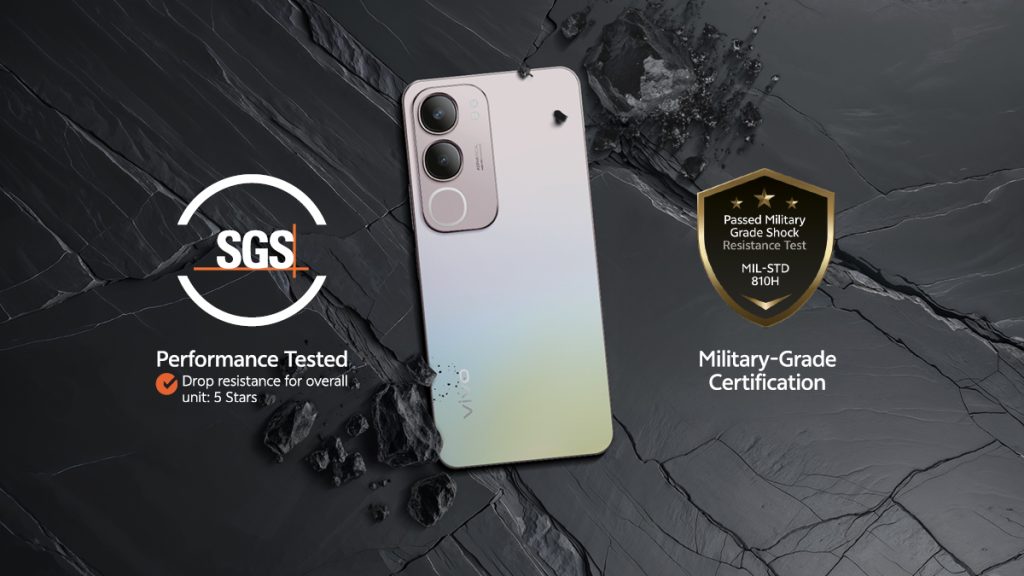
Let’s start with the hardware. The flagship Y29 leads the pack with a massive 6500mAh BlueVolt battery, a 120Hz display, Snapdragon 685 chipset, and IP64 dust and water resistance. It’s also got a reinforced frame that vivo’s calling “Anti-Drop Armour” – which sounds like a G.I. Joe toy but does come with MIL-STD-810H certification, the same drop standard you’ll see on ruggedised laptops.
The Y19s Pro scales that down slightly but keeps the IP64 rating and swaps in dual 300% audio booster speakers – a flashy name, but useful if you ever try to stream a TikTok outdoors. The entry-level Y04 leans into storage (256GB) and battery life (5500mAh), making it a surprisingly capable secondary phone.
But hardware alone isn’t the story here. The 7-Star Quality Promise is where vivo’s trying to flip the mid-range script.
What is the 7-Star Quality Promise?
In theory, it’s a way of saying: “We’ve got your back.” In practice, it means:
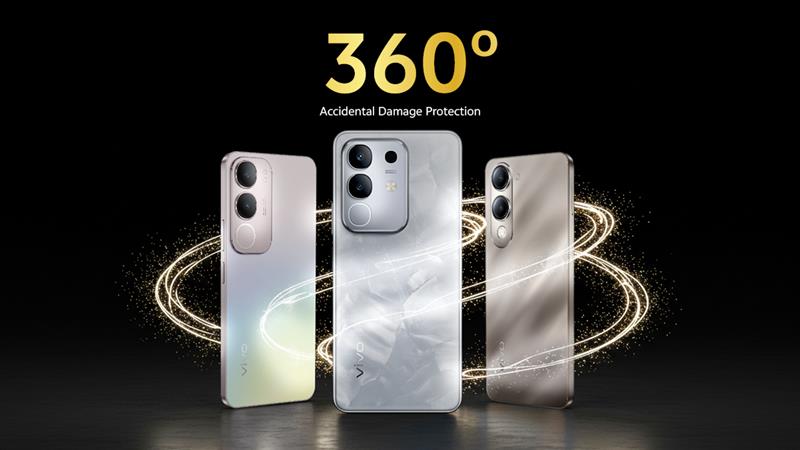
- Accidental damage coverage – up to 365 days for the Y29 and Y19s Pro
- MIL-STD-810H certified drop resistance
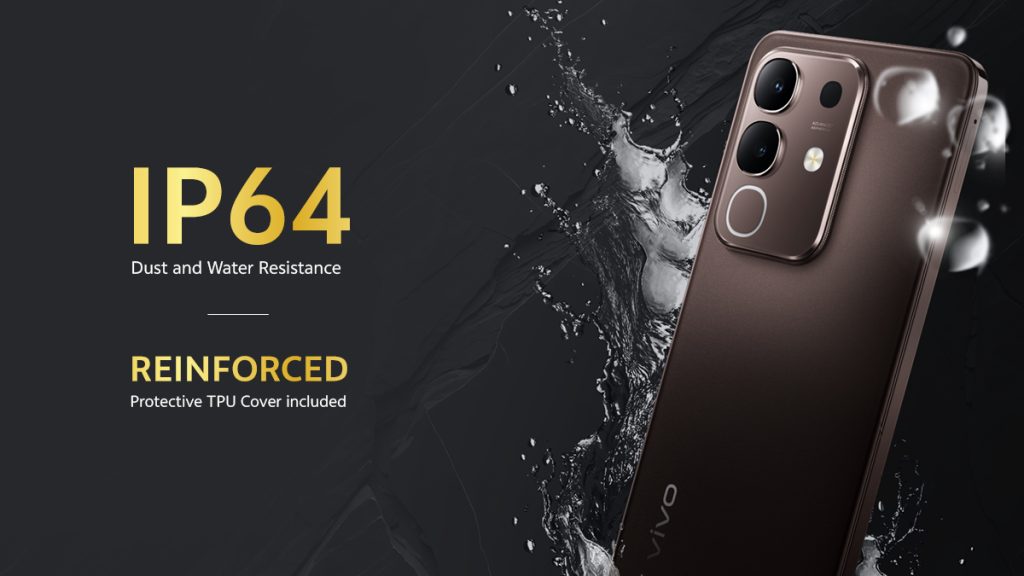
- IP64 dust and water resistance
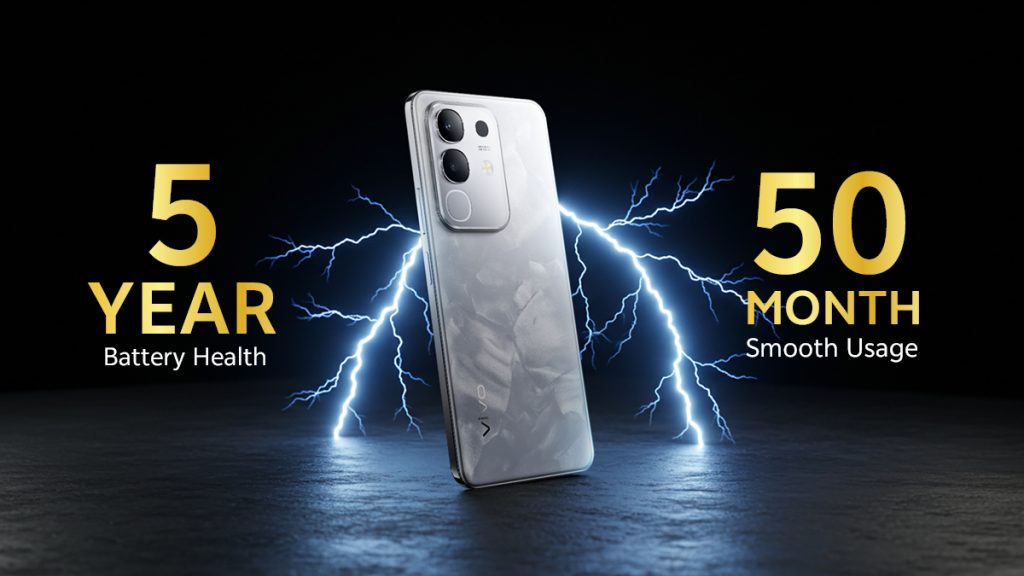
- Battery designed to retain long-term health for 5 years
- 50-month smooth performance claim (Y29 only)
- One-time free repairs for screen, back, frame, and camera glass
- Protective TPU case in the box
There’s some fine print, of course. For example, 50-month performance doesn’t mean zero lag forever – just that the phone shouldn’t become unusable after two software updates. And “5-year battery health” depends heavily on your usage. But for a brand operating in a price segment where most phones don’t even get updates past year two, these are bold (and honestly welcome) moves.
Why now?
South African buyers are increasingly practical – especially when money’s tight. Battery life, build quality, and support matter more than having the latest Snapdragon or a triple-camera setup that no one actually uses. In that sense, vivo seems to get it.
By adding robust service and protection into the mix – at no extra cost – vivo is pitching these phones as something rare in the budget world: low risk.
And in a country where screen replacements can cost as much as the phone itself, that matters.
So… can you trust the promise?
The truth? We’ll need time to know. Specs and service promises only go so far. The question is how vivo handles support after year one. Will the software still feel usable in 2027? Will repair centres honour the accidental cover without sending users on a two-week goose chase?
Right now, the messaging is strong. And if vivo backs it up with real-world support, the Y Series could quietly redefine what a sub-R8 000 phone can be.
Until then, the 7-Star promise is less a guarantee – and more of a bet. One that vivo, and maybe South African buyers, are finally willing to take.