
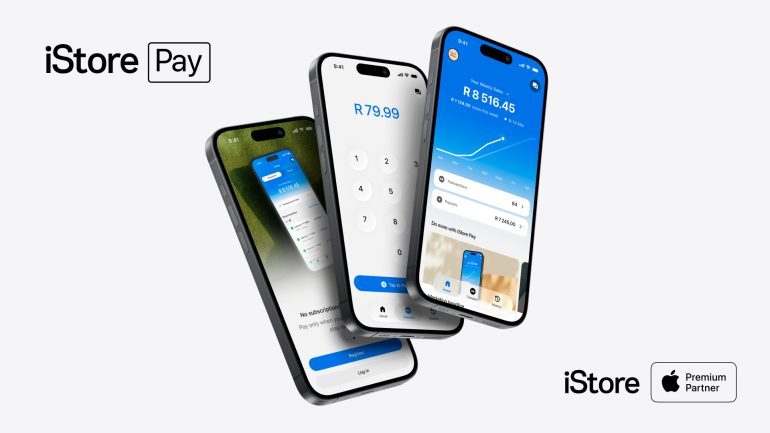
iStore Pay’s launch of Tap to Pay on iPhone gives South African entrepreneurs a genuinely hardware-free way to accept contactless payments, though the feature arrived with a simultaneous launch from a formidable competitor.
South Africa’s small business payments market has been moving in one direction for years: cheaper, more accessible, less dependent on bank-issued hardware. Yoco built a significant business on that shift, selling low-cost card machines to merchants who couldn’t justify traditional point-of-sale (POS) terminals. Today, both iStore Pay and Yoco took the next logical step, bringing Apple’s Tap to Pay on iPhone to South Africa at the same time. The result is a meaningful new option for iPhone-owning merchants, with a competitive fee structure and no upfront hardware cost — and a market where two platforms are now fighting for the same segment on the same day.
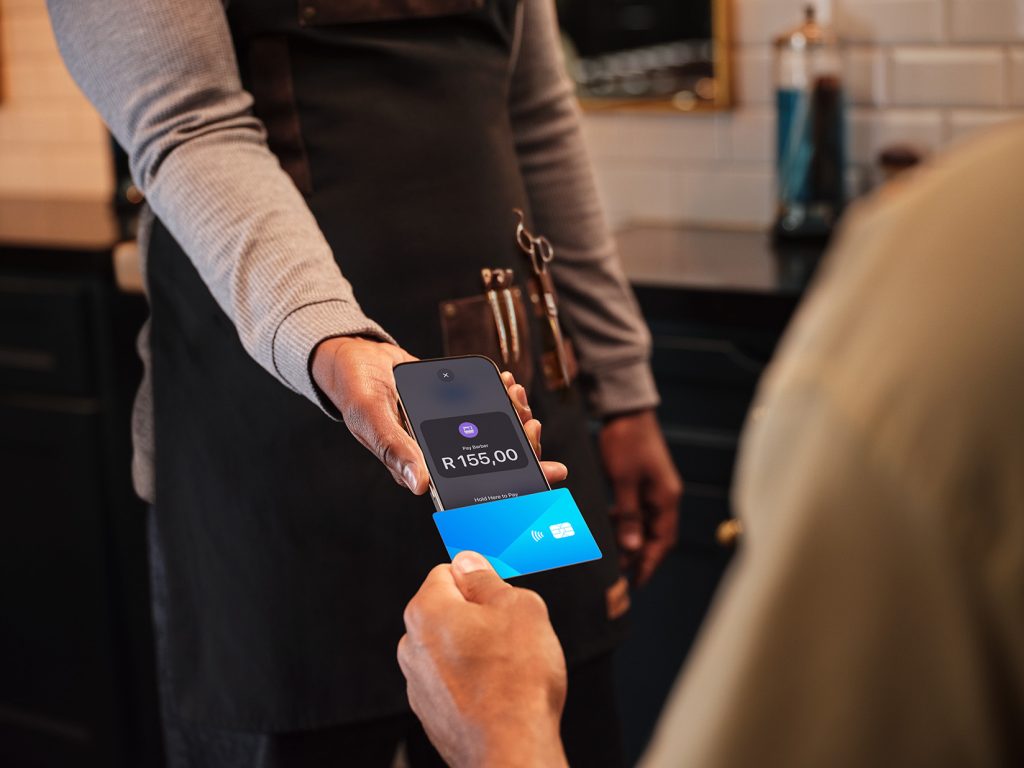
iStore Pay is iStore’s newly launched business payment solution, and it’s built around a straightforward premise: if you own an iPhone XS or later running iOS 18, you already have everything you need to accept contactless payments. Customers tap their card, Apple Pay, or another digital wallet against the merchant’s iPhone, and the transaction completes via NFC. No card reader. No terminal. No Bluetooth pairing. The setup time is claimed to be under 15 minutes.
The fee structure is where iStore Pay makes a credible pitch against the field. Transactions start at 2.5%, below Yoco’s standard 2.95% rate. There’s no monthly fee initially, and payouts cost a flat R2.99. As a launch offer, daily payouts are free until 31 July 2026 on a minimum wallet balance of R500. From August 2026, merchants whose monthly turnover falls below R2,000 will pay R20 per month, which is worth noting for the very smallest or most occasional traders.
The privacy architecture follows Apple’s standard approach for payment features: card numbers and transaction data aren’t stored on the device or on Apple’s servers, with encryption handled through the iPhone’s Secure Element. Transactions in store-and-forward mode are an exception, where encrypted card numbers are held temporarily on-device.
What makes this arrival consequential is context. Apple Pay only launched in South Africa in 2021, years after rollouts in comparable markets. Tap to Pay on iPhone has been available in the US since 2022 and reached over 50 countries before getting to South Africa. The feature’s local debut via two platforms simultaneously — iStore Pay and Yoco — signals both the growing maturity of SA’s contactless payments infrastructure and Apple’s continued push to bring its merchant-side ecosystem to new markets.
For Yoco, today’s launch represents an interesting move. The company built its reputation on hardware, selling card machines to entrepreneurs at farmer’s markets and street stalls. Those devices still have advantages: they’re standalone, they don’t depend on the merchant having a recent iPhone, and they work across the broader SA merchant base where Android dominates. Yoco’s Tap to Pay on iPhone offering effectively adds a zero-hardware tier to its existing product range. For iStore Pay, it’s the entire proposition.
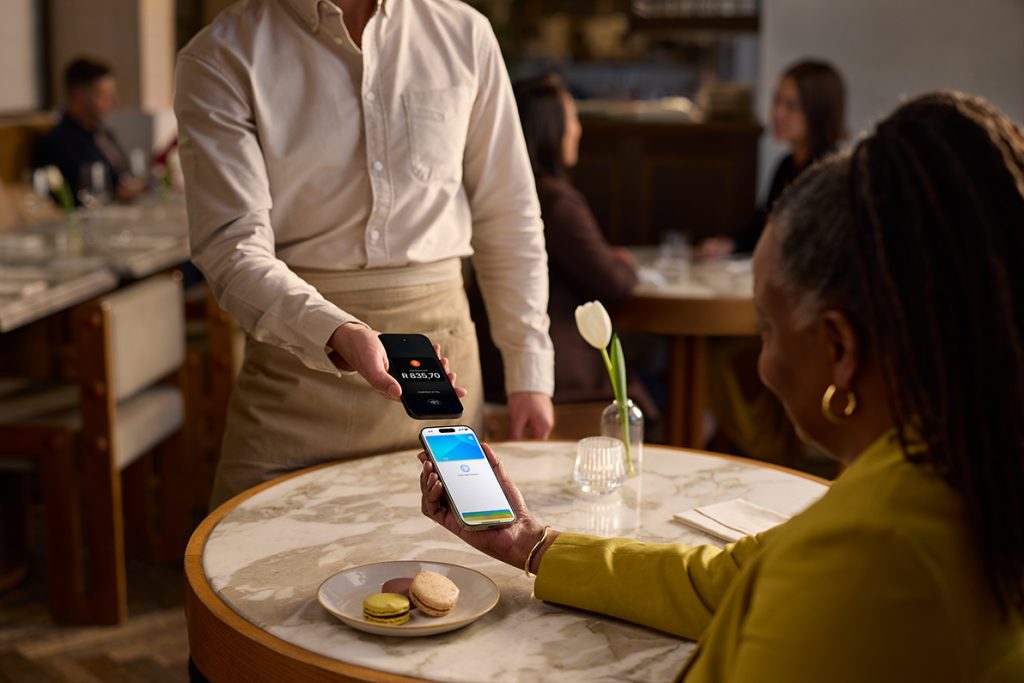
PayFast, Peach Payments, Ozow, and iKhokha serve different segments with varying fee structures. Tap to Pay on iPhone sits apart from all of them because it removes hardware dependency entirely — no Bluetooth, no pairing, no reader to charge or replace. For the specific merchant who already owns a qualifying iPhone and wants to start accepting cards immediately, the barrier is now genuinely low.
iPhone penetration in South Africa is real but not dominant. The merchant base that will benefit most from iStore Pay is already iPhone-aligned, which is a narrower set than the total small business population Yoco has historically targeted. That’s not a flaw in iStore Pay’s design, but it shapes the scale of adoption. iStore’s 43 stores and existing Apple customer relationships give it distribution advantages for onboarding that segment, and the app sits within an ecosystem those merchants already use.
What both launches make clear is that soft POS is no longer a future consideration for SA merchants with qualifying iPhones. For iStore, the more pressing question is whether a payment product can build the kind of merchant loyalty that Yoco’s hardware relationships already have.