
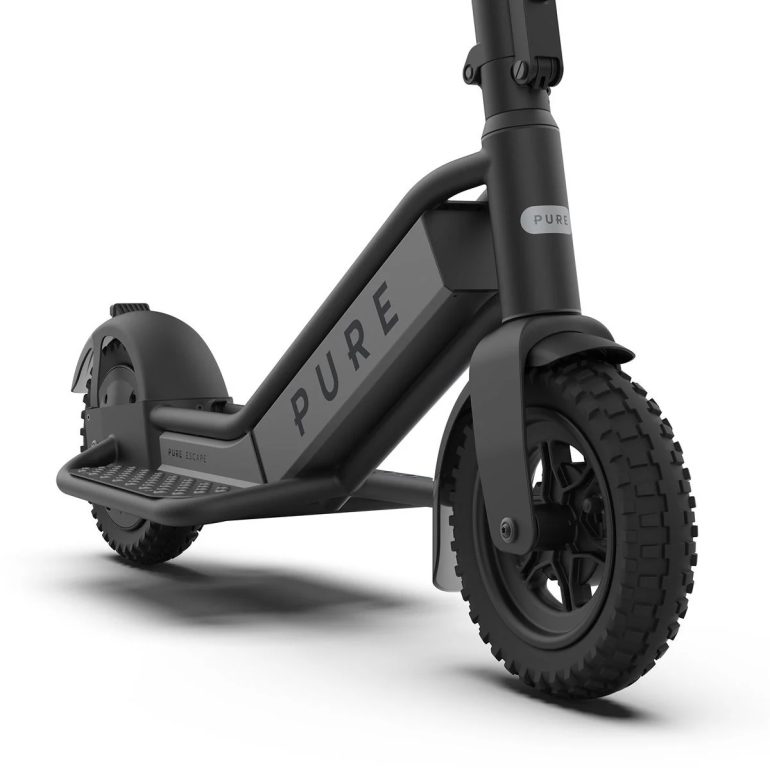
Pure Electric scooters are now available in South Africa, distributed exclusively through Core, with a product range running from R8,999 to R26,999 and an in-country servicing network live from launch.
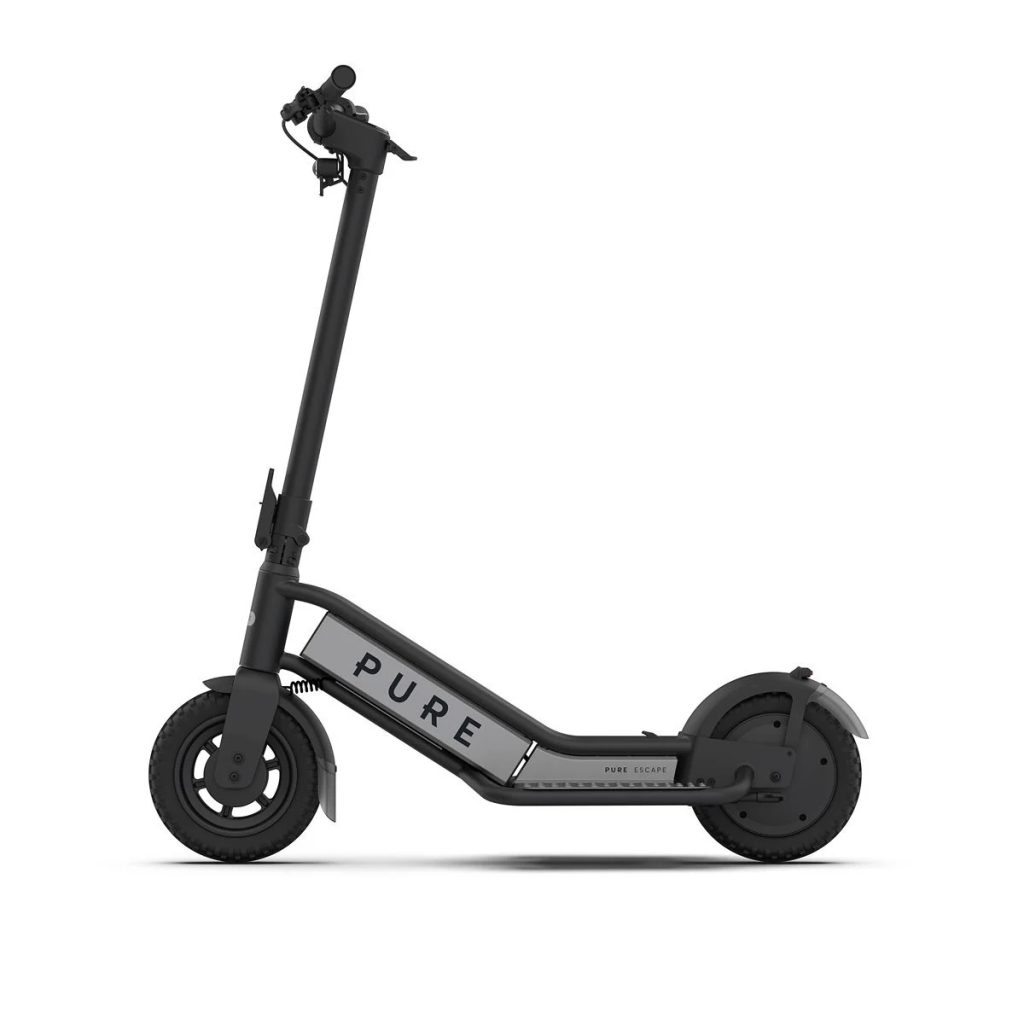
The British brand was founded in 2018 by Adam Norris, father of Formula One World Champion Lando Norris, and has spent seven years building a reputation in the UK and European markets for scooters designed around how people actually ride. The most visible expression of that approach is the forward-facing riding position, which has riders standing with feet apart rather than side-on. It’s a deliberate ergonomic choice aimed at improving balance and comfort during everyday urban use.
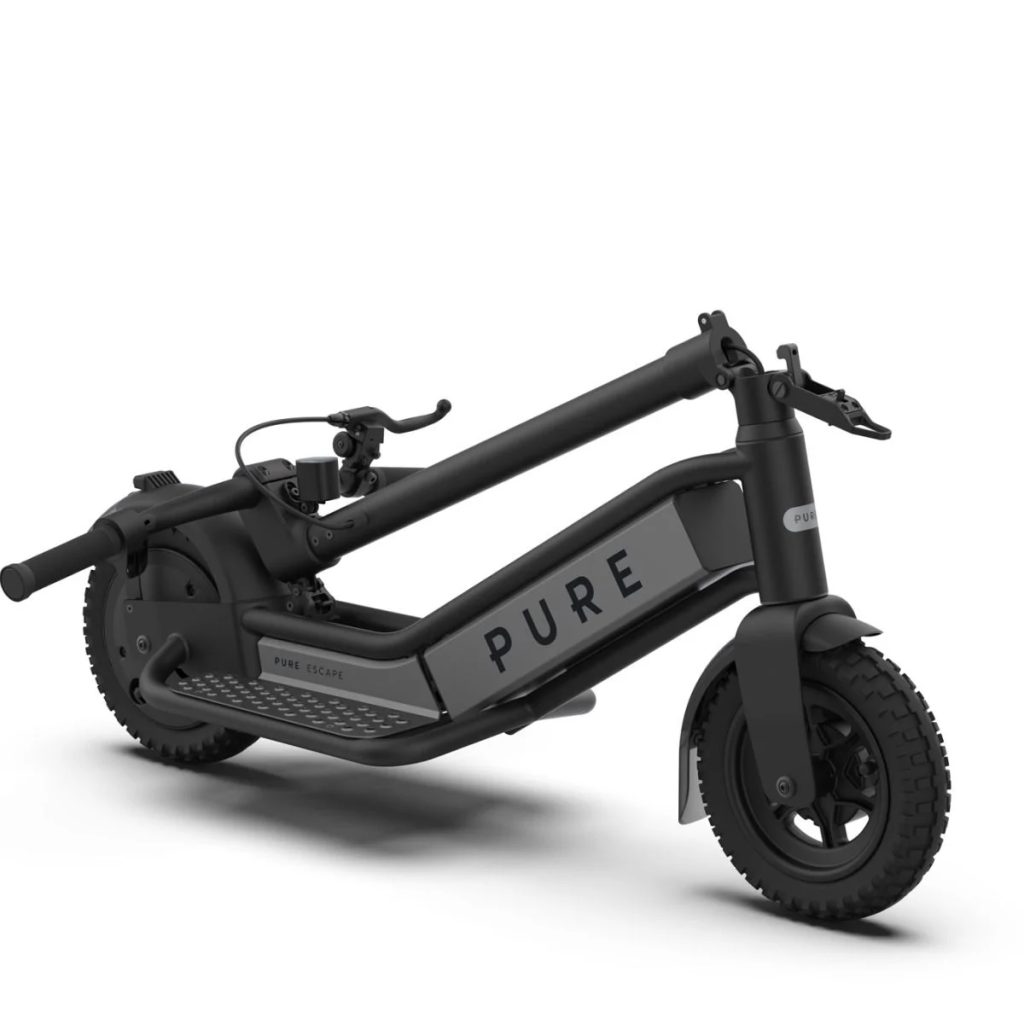
The local lineup covers several models across two main series. The entry-level Pure Air starts at R8,999, with the Pure Air Pro offering up to 60km of range and 840W peak power output. All models feature foldable frames, which means they’ll fit in a car boot, fold away at a desk, or carry onto public transport without much friction. The range is available now through the Pure Electric South Africa online store, with additional retail partners announced alongside the launch.
What actually differentiates this from the rest of the market
The e-scooter category in South Africa has been largely defined by grey-market imports. Cheap hardware is easy to find on Takealot or through general retailers; genuine parts, warranty support, and reliable repairs are not. Core’s commitment to local servicing using genuine parts addresses the most consistent failure point in this category and gives buyers a clear path if something goes wrong.
That infrastructure shifts Pure Electric into a different tier from most of what’s currently available at comparable price points. It also positions the brand well for the segment of buyers who’ve considered an e-scooter but been put off by the prospect of owning something they can’t get fixed.
The local use case
Core is pitching the scooters at students, daily commuters, residents of gated estates, and motorsport fans. The last group is mostly a marketing angle; the others reflect genuine use cases for the South African context.
Open-road urban commuting is a harder sell here than in the European cities where Pure Electric built its name. Road infrastructure, traffic behaviour, and general road conditions work against that application. Within a residential estate, across a campus, or as the final stretch between a park-and-ride point and an office, the proposition holds up considerably better. The foldable design makes that kind of combined travel practical.
The R8,999 entry point is calibrated to compete with the cleaner end of the import market while offering something the imports generally don’t: a support structure. The upper end of the range, at R26,999, targets buyers who want more range and better spec without the jump to a full electric bicycle.
South Africa’s urban mobility landscape is slowly widening to include more alternatives. Platforms like inDrive are finding traction here by competing on fundamentally different terms to established ride-hailing services. Pure Electric arrives from a different angle, personal ownership rather than on-demand services, but addresses some of the same friction in daily urban movement.
Seven years of product development and a well-established international brand give Pure Electric a credible starting point. The local servicing commitment is what makes the launch of this brand in South Africa worth paying attention to.