
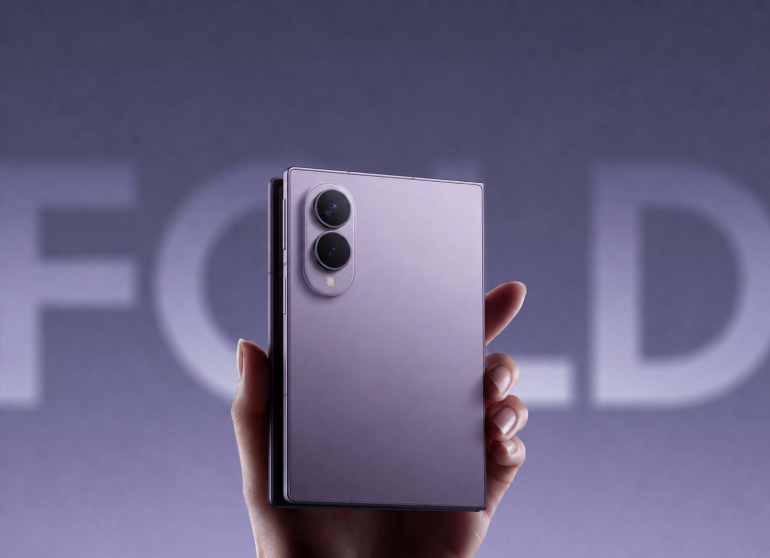
I expected the novelty of the Samsung Galaxy Z Fold8 to have worn off after a month. It hasn’t. I’d been fascinated by this phone before Samsung announced it, back when rumours described an unusually short, wide foldable that may or may not become a real product. I wanted it to live up to what I’d imagined, which is usually an excellent way to end up disappointed.
I’ve had the Lavender Galaxy Z Fold8 since Samsung unveiled it at its global launch in London on 22 July. That’s been long enough for the launch production, marketing claims and pleasure of having something new to recede. None of that has made me less interested in the phone. If anything, living with it has made the idea behind it feel more convincing. The Fold8 is just as magical as I’d hoped it would be, although getting that magic into something this thin has produced compromises that become harder to ignore when you consider its South African price.
The Fold8 starts at R40,999 for the 256GB model, while the 512GB version costs R45,999. That makes it cheaper than the Fold8 Ultra, but calling a R40,999 phone the accessible Fold would be absurd. Even on a network contract, where the cost gets dispersed across 24 or 36 months and mixed with data, airtime and promotional accessories, this is an extremely expensive phone. What Samsung has made for that money, though, doesn’t feel like a smaller or deliberately diminished Fold8 Ultra. It feels like the first Samsung foldable built for people who didn’t particularly want one of the company’s previous Folds.
Samsung Galaxy Z Fold8 review: The short version
The Galaxy Z Fold8 is a compact, passport-shaped foldable with a 5.5-inch outer display and a 7.6-inch, 4:3 display inside. It weighs 201g, measures 9.7mm thick when closed and becomes an almost ridiculous 4.5mm thin when opened. Its size and weight make it easier to carry and hold than Samsung’s older book-style foldables, while the two display formats encourage genuinely different kinds of use.
The outer screen works well for short interactions. Open it and the phone becomes a small tablet suited to reading, video, browsing, maps and longer Gemini conversations. App support hasn’t caught up with the unusual aspect ratios, the dual-camera system lacks optical zoom, the speaker placement creates uneven audio and the new hinge removes the flexibility of the old Flex Mode. The price will rule it out for many people before any of those compromises become relevant.
Despite those compromises, the Fold8 is the foldable I’d recommend to someone who has never been certain that they want one. I’m an iPhone user and I’m completely obsessed with it, which is unusual enough to show how thoroughly Samsung has won me over.
A small phone that becomes a proper tablet
The Fold8’s dimensions explain the hardware, but they don’t quite explain what it’s like to carry. When closed, it measures 123.9mm tall and 81.9mm wide, making it substantially shorter and slightly wider than a conventional flagship. Samsung’s older Folds always felt like unusually thick remote controls in your pocket. The Fold8 feels more like a compact object that happens to contain a second, much larger screen.
That difference is apparent before you unfold it. The 5.5-inch outer display is large enough to respond to a message, check email, follow a route in Google Maps or continue a Gemini conversation without feeling as if you’re working through a novelty screen. It’s also small enough that I can reach most of it comfortably without shifting the phone around in my hand.
Samsung has understood that an outer display on a foldable doesn’t need to reproduce the entire conventional smartphone experience. It needs to make the small things easy enough that you don’t have to open the device every time it vibrates. Earlier foldables often treated the outer screen as the normal phone and the inner screen as an optional expansion. The Fold8 makes the choice more deliberate. I use the outside for a quick response and open it when I actually want to spend time with whatever I’m doing.
Once unfolded, the 7.6-inch Dynamic AMOLED display has a 4:3 aspect ratio and offers nearly the display space of an iPad mini in something that fits into almost any pocket. A tablet still gives you a larger 8.3-inch screen and a less fragile surface, but that comparison starts to seem academic when the Fold8 is already in your hand and the iPad is somewhere else.
Reading a long article, looking through a document, opening a map or watching video on the inner display doesn’t feel like using an enlarged phone app. It feels closer to using a small tablet that’s been hiding inside the phone. Samsung has spent years trying to justify foldables through multitasking and productivity. The Fold8 makes its case through something simpler: space is useful when you can carry it without thinking about the object providing it.
At 201g, it’s also light enough that using the larger screen for an extended period doesn’t become tiring. That figure makes the Fold8 lighter than several conventional flagship phones, despite the second display, hinge and larger unfolded area. Weight may sound like a boring specification beside flexible displays and titanium layers, but it’s one of the reasons this phone feels usable rather than merely impressive.
The Fold8 has lost the businessman-with-a-briefcase energy that surrounded Samsung’s previous Folds. The Fold8 Ultra can keep the spreadsheets, tall silhouette and remote-control proportions. This one feels playful, personal and much easier to imagine in the hands of people who never saw themselves in Samsung’s old productivity marketing.
The software hasn’t caught up with the shape
The Fold8’s displays are the reason to buy it and the source of one of its more persistent frustrations. Not every Android app understands what to do with either aspect ratio, particularly when moving from the outer display to the 4:3 screen inside.
Some apps adapt beautifully. Gmail can take advantage of the width by showing the inbox and an open email together, while messaging and productivity apps can use multi-column layouts that resemble their tablet versions. Others simply stretch, leave unused space, crop content or need to be restarted after the phone is opened. I’ve also encountered apps that feel slightly awkward on the short outer display, even though the screen itself is perfectly usable.
This isn’t enough to spoil the phone, but it reveals the risk attached to introducing a new shape. Samsung can build the hardware and tune One UI around it, but it can’t force every Android developer to redesign an app immediately. The company has promised seven years of software and security updates, so the Fold8 should remain supported long enough for the ecosystem to improve. Whether developers consider this format important enough to prioritise will depend partly on how many people buy it.
There are encouraging signs. Samsung says the Fold8 accounted for more than 40% of European pre-orders for its new foldable range, while combined Fold8 and Fold8 Ultra orders were 70% higher than Fold7 pre-orders a year earlier. The Fold8 Ultra, Fold8 and Flip8 collectively set a European record for Samsung’s foldable range, exceeding the previous record by more than 17%. That doesn’t make the Fold8 the most pre-ordered Samsung phone in history, but it does give developers a commercial reason to take its aspect ratios seriously.
The early demand supports the argument that the Galaxy Z Fold8 may have found the foldable sweet spot. A phone can’t establish a new form factor by itself, though. Apps have to stop treating its displays as edge cases.
A springier hinge comes with a cost
Samsung’s new Flex Titanium structure has helped make the Fold8 extraordinarily thin while reducing how visible the central crease is during ordinary use. The hinge also feels more eager to move towards one of two states: fully open or fully closed. That gives opening and closing the phone a satisfying snap, but it’s come at the expense of Flex Mode.
Previous Galaxy Folds could remain partially open at different angles, allowing one half to act as a display while the other became a stand or control surface. It was particularly useful for watching video, taking hands-free photographs or joining a video call without finding something to prop the phone against.
I miss it. The Fold8’s hinge feels quicker and more decisive, but a folding phone being able to hold itself at an angle was one of the practical benefits of having a hinge in the first place. Samsung appears to have prioritised thinness, crease reduction and the springier opening action. I understand the decision, but I’m not convinced the exchange benefits everyone who used Flex Mode regularly.
Durability also remains a consideration at this price. The Fold8 carries an IP48 rating, meaning it can survive water immersion under specified conditions but isn’t fully sealed against finer dust and sand. That’s less reassuring than it should be for a device costing more than R40,000, particularly in a country where replacing a damaged folding display or hinge could become an expensive exercise.
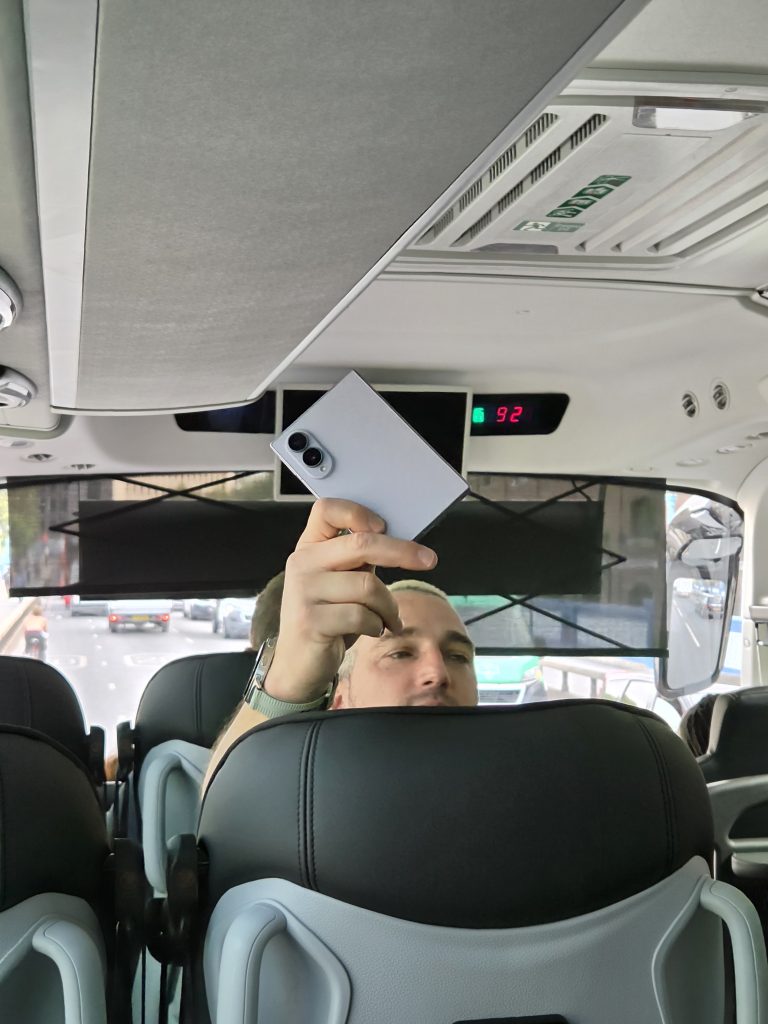
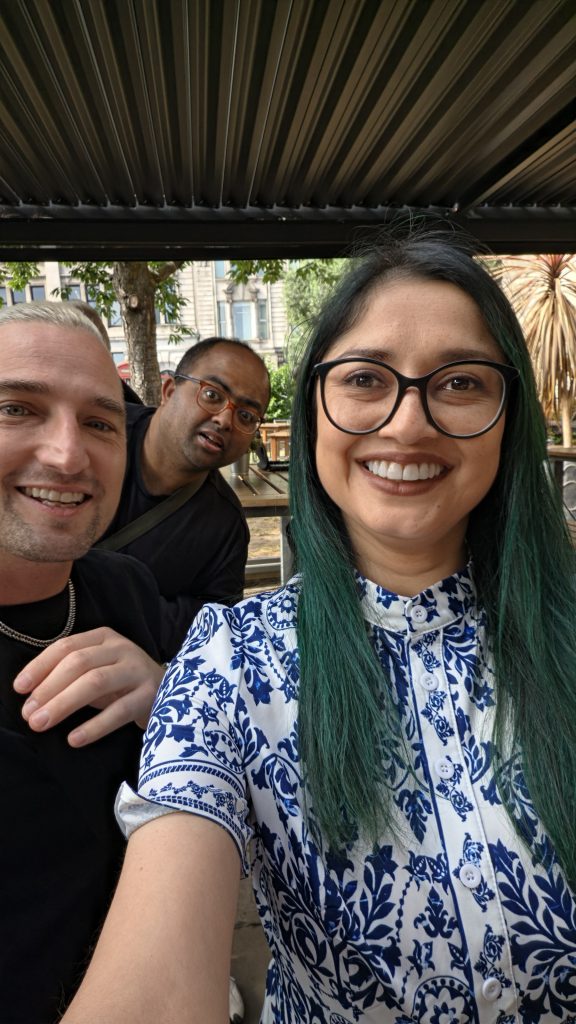
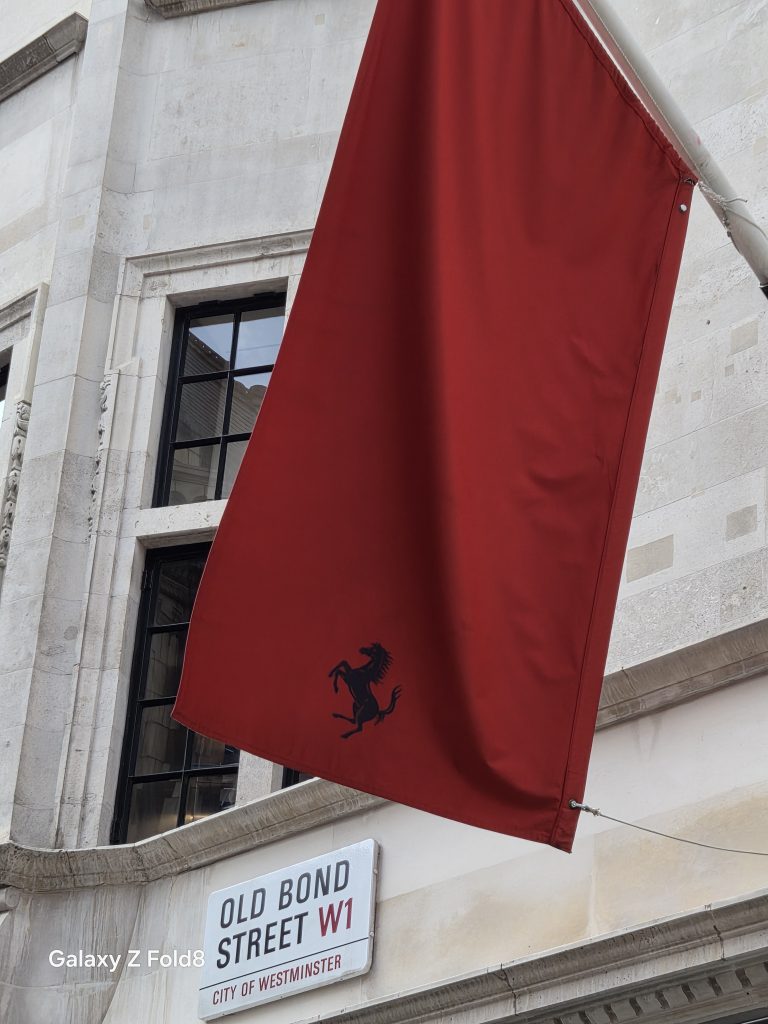
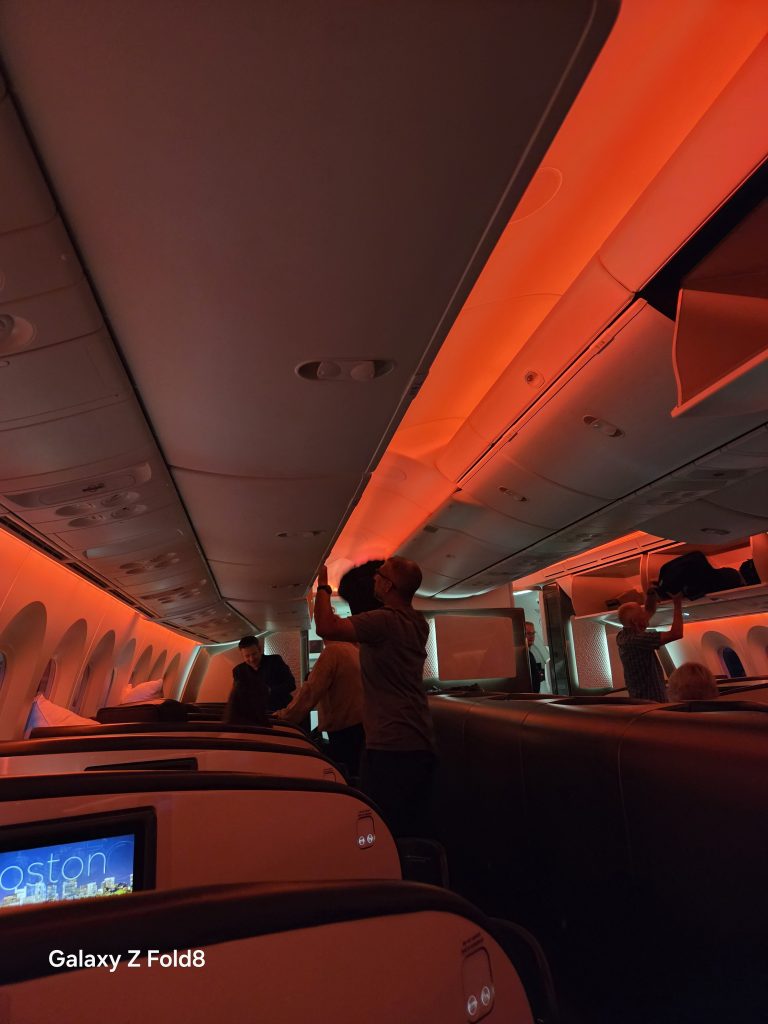
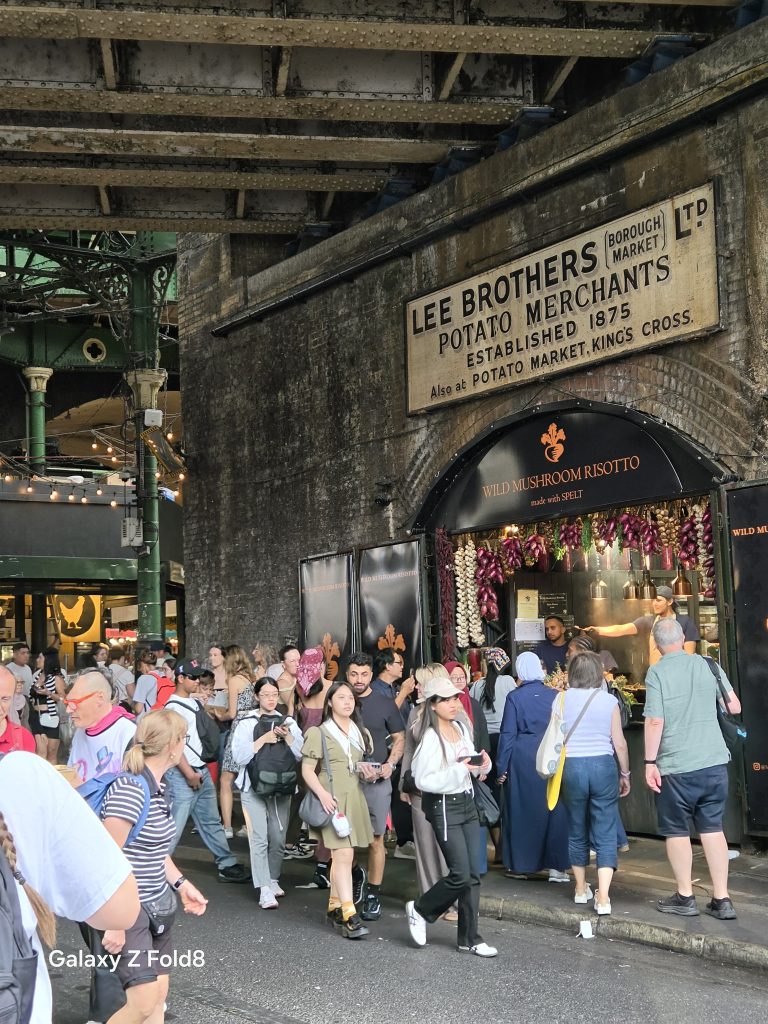
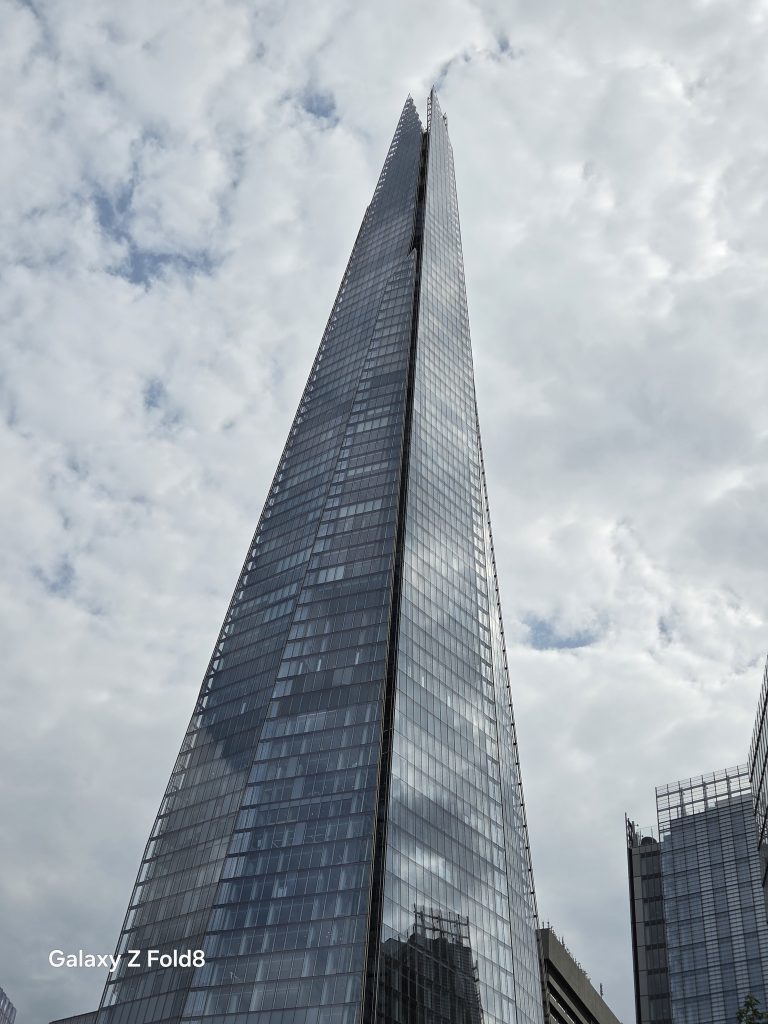

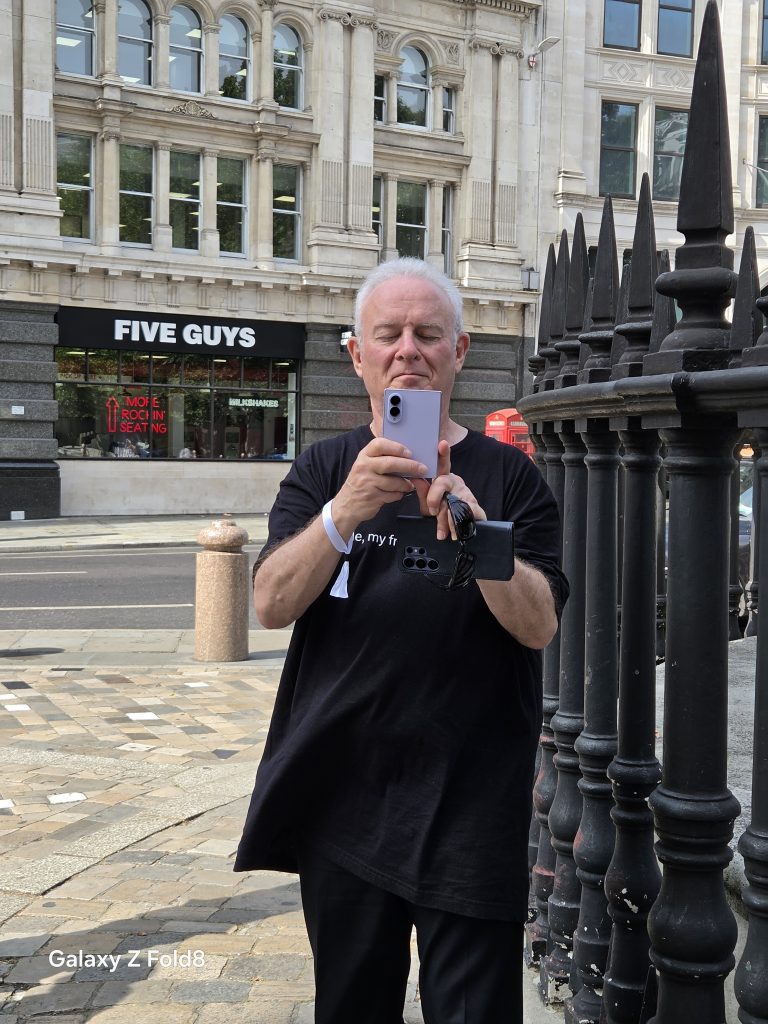
Good cameras, but the wrong second lens
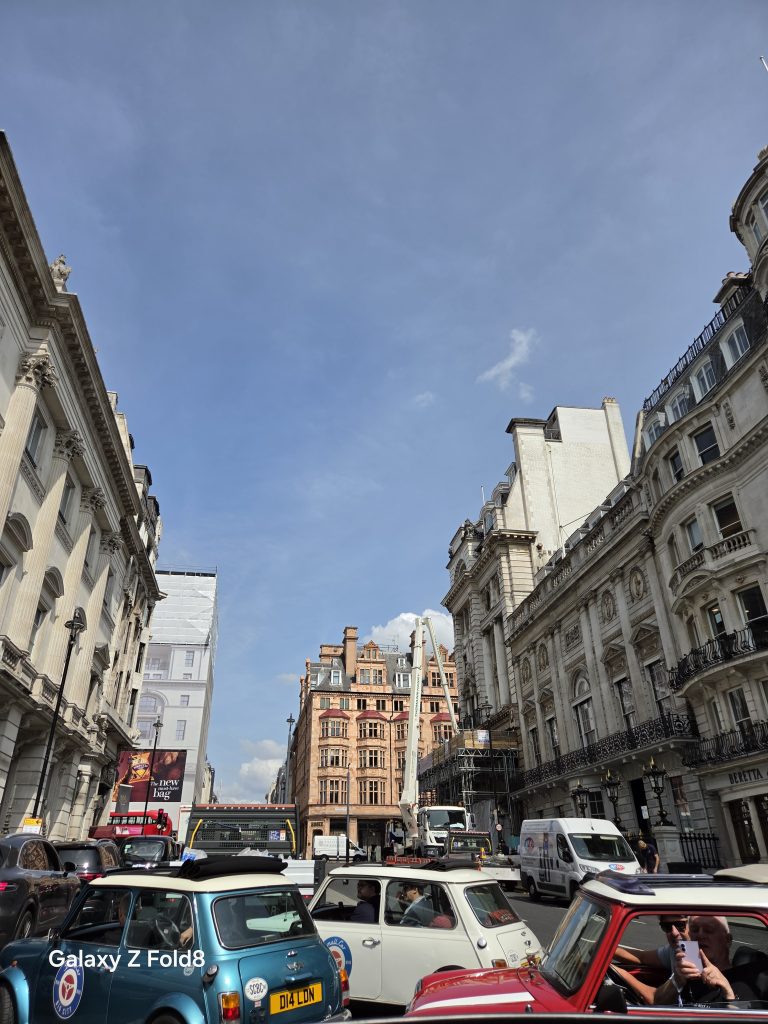
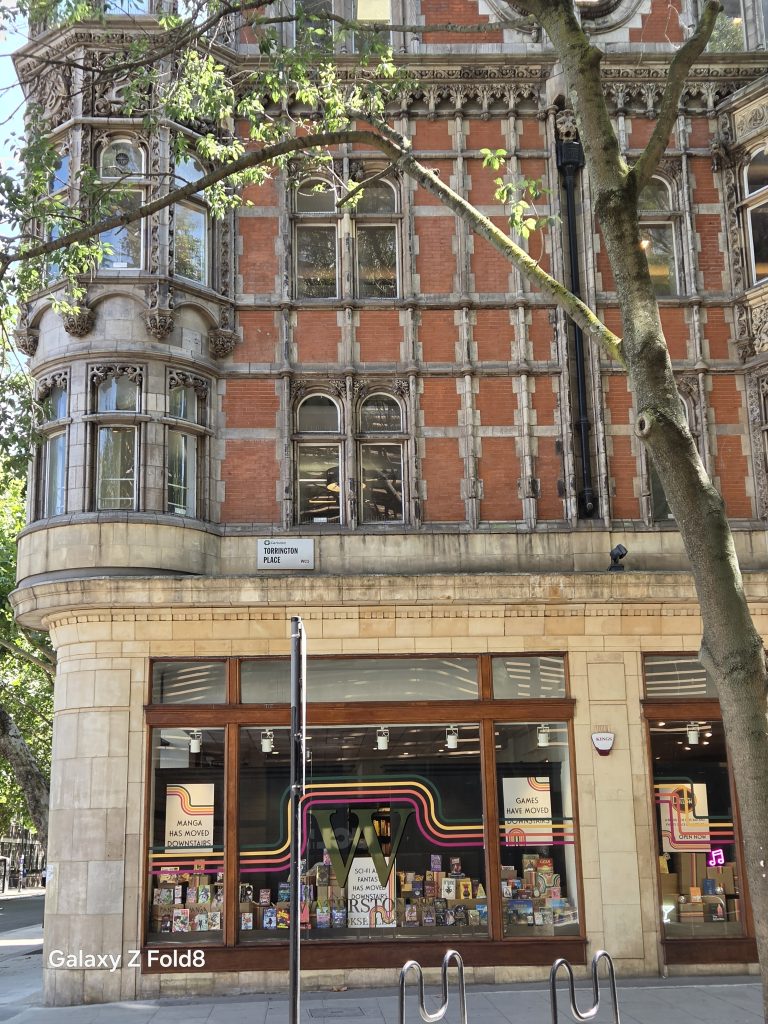
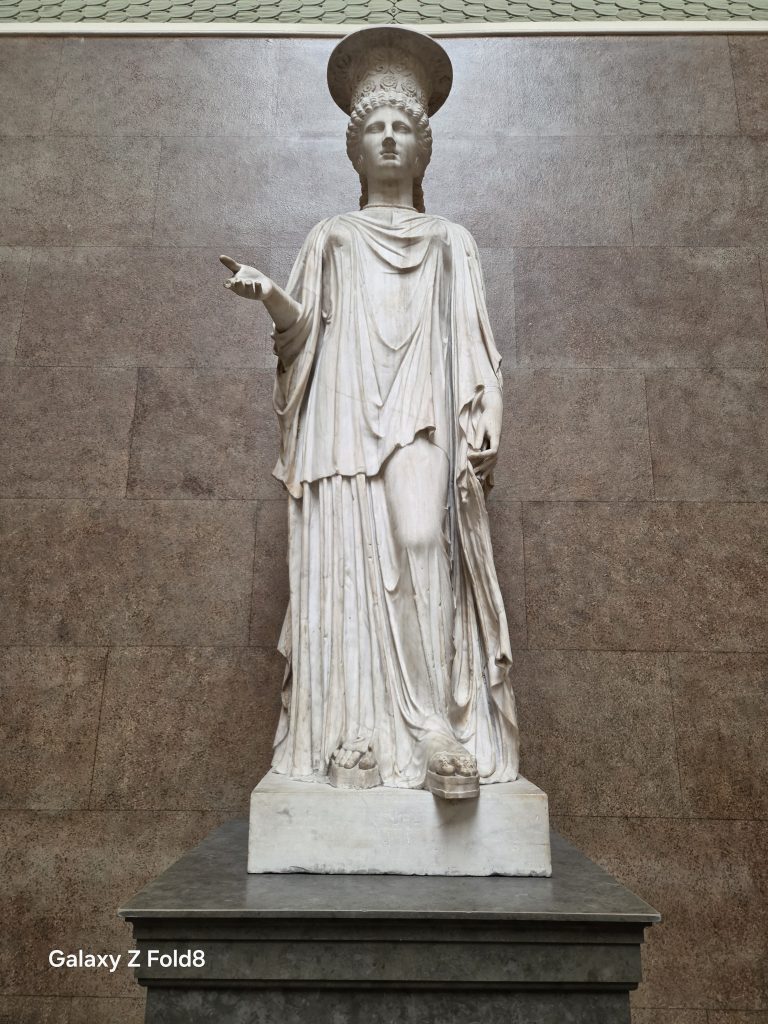
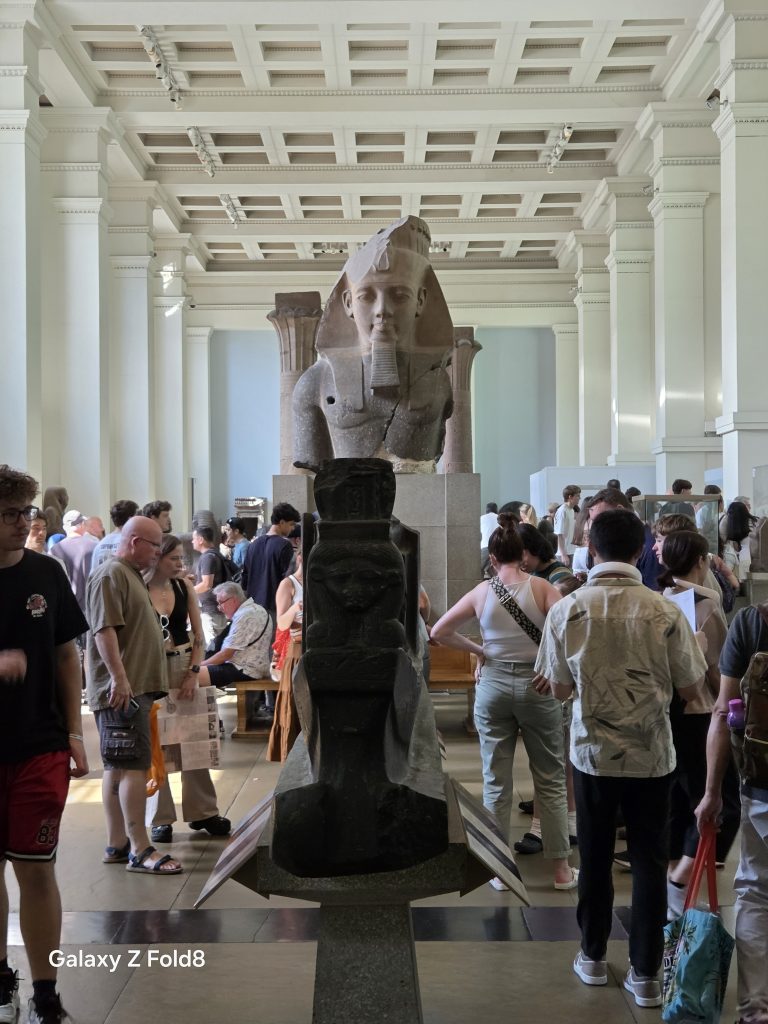
The Fold8 has two 50MP cameras on the back: a main wide camera and an ultra-wide. Both can produce attractive images with the familiar bright, processed look associated with Samsung phones. The photographs are good, but I wouldn’t call them great, particularly when the price places this phone alongside some of the best camera systems available.
My frustration is less about the quality of the sensors than Samsung’s choice of lenses. I’d give up the ultra-wide camera for a telephoto lens. An optical zoom would be more useful for portraits, events, travel and the ordinary moments when moving physically closer isn’t possible. Digital cropping from the main sensor works within limits, but it doesn’t replace a proper telephoto camera.
The Fold8 Ultra retains a dedicated 3x telephoto camera, along with its 200MP main sensor, which helps Samsung distinguish the two models. That product segmentation doesn’t make the missing lens any less noticeable on a phone costing R40,999.
I can understand how Samsung arrived here. At only 4.5mm thick when unfolded, the Fold8 leaves very little physical depth for camera hardware. A telephoto assembly requires space, especially if it uses folded optics. Samsung chose thinness and a second 50MP field of view instead. The result is an acceptable camera system attached to an exceptional piece of hardware, which is probably the clearest example of where the Fold8’s priorities sit.
The speakers are in the wrong place
There are two speakers, but both sit on the same half of the phone when it’s unfolded. Turn the Fold8 sideways to watch something on the inner display and the sound is noticeably weighted towards one side. The speakers get loud enough and their general quality is fine, but the positioning works against the symmetry of the large display.
It’s a surprisingly basic compromise on a phone so obviously designed around watching content. The whole device encourages you to unfold it, rotate it and settle in with a video, only for the soundstage to remind you that both speakers are firing from the same half of the hardware. Headphones solve the problem, as they solve most smartphone speaker problems, but they shouldn’t be required to make a R40,999 entertainment device sound properly balanced.
The naming is needlessly confusing
Samsung has called this new, passport-shaped phone the Galaxy Z Fold8 while renaming the direct successor to the Fold7 the Galaxy Z Fold8 Ultra. The decision makes some sense from a product strategy perspective. Samsung uses Ultra to identify the model with the larger displays, stronger cameras and a more overt focus on productivity. It also increasingly seems to attach the name to any Galaxy phone with a 200MP camera, which the Fold8 Ultra has and the standard Fold8 doesn’t.
For shoppers, it’s confusing. The phone traditionally understood as “the Fold” is now the Fold8 Ultra, while a completely new shape has inherited the plain Fold8 name. Anyone upgrading from an earlier generation has to learn that the direct continuation of their device now sits under a different name.
The naming may become easier if Samsung keeps both formats around. The Galaxy S range has taught buyers what the standard, Plus and Ultra labels mean because those choices have remained broadly consistent. The Fold range hasn’t earned that familiarity yet. Samsung has introduced a new shape and renamed the old one in the same year, leaving buyers to work out which Fold is actually their Fold.
Early demand suggests people are willing to make the effort. More than 40% of Samsung’s European foldable pre-orders went to this new format. The more important question is whether Samsung treats that interest as the beginning of a category or as one season’s experiment.
Samsung Galaxy Z Fold8 verdict
The Galaxy Z Fold8 is the first foldable I’d recommend to someone who has looked at previous Folds and wondered why they should carry such a large, businesslike phone. It doesn’t ask you to reorganise your life around multitasking demonstrations or pretend that three tiny app windows will replace a laptop. It gives you a small, useful phone when closed and a genuinely expansive display when opened.
The compromises are real. Apps don’t always respond gracefully to the unusual screens, the cameras are merely good, there’s no optical telephoto lens, Flex Mode has disappeared and the speaker arrangement is poor. At R40,999, these aren’t trivial complaints. The Fold8 is prohibitively expensive for most South Africans, even when a network contract spreads the cost over three years.
And yet, I’m still completely obsessed with it. I’ve moved my banking apps over to the Fold8 and reach for it far more often than I expected to. I’m incredibly tempted to put my SIM card in it and make it my primary phone. A few iPhone-only features, along with the fact that almost everything else I own sits within Apple’s ecosystem, are keeping me from doing that. Since leaving Samsung’s ecosystem years ago, though, I’ve never been this tempted to return to Android. The Fold8 is a phone I don’t want to part with, and it still makes me smile whenever I use it. Samsung spent years presenting the Fold as a phone for people who wanted to do more work. The Fold8 is better because it understands that sometimes people simply want more room.